Torasho Ramen’s Takashimaya outlet closed briefly for two weeks and has since relaunched with a focus on Shoyu (soy-sauce based) ramen. In a serious post on the ramen joint’s social media channels, Chef Sho Naganuma explained the new direction and ethos behind the decision – he wanted to bring back the type of ramen he grew up eating; in other words “a bowl that feels nostalgic, comforting and familiar–almost like the taste of home”.
A wide range of ramen shops have opened in Singapore in the past 15 years (including Torasho’s Tanjong Pagar debut back in 2019), offering ramen in many styles, but the new concept would be “a kind of ramen that Japanese people have in their hearts”. We were curious about this pivot to simplicity, and went to check out the reinvented outlet for a late dinner.
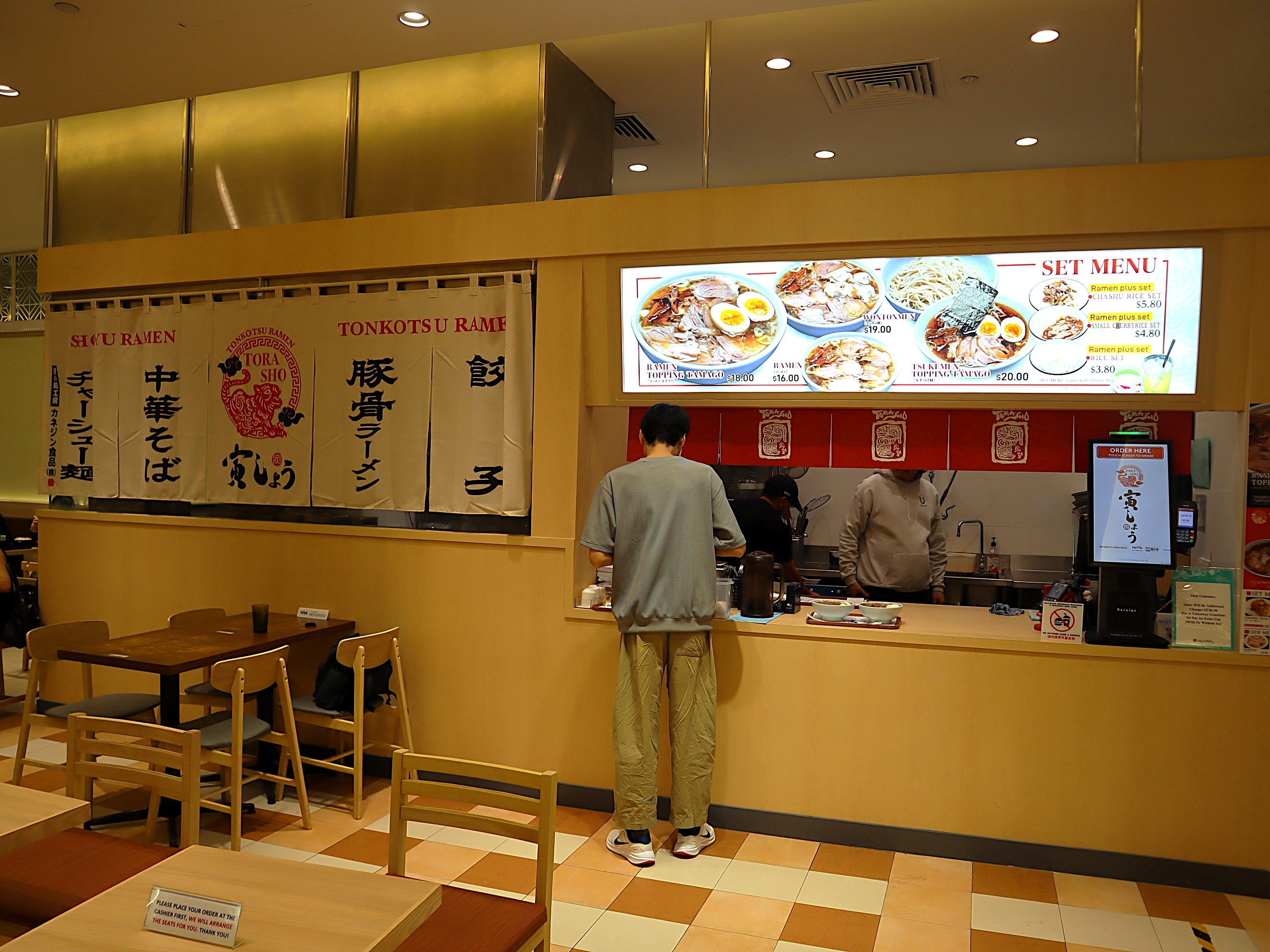
Torasho Ramen’s revamped Takashimaya outlet – with a simple menu. Photo © Fen Chia
We were delighted to find Chef Sho still hanging around. The Nagoya native explained to us that while there were plenty of ‘modern’ options catering to the Singapore palate nowadays, he was looking to showcase ramen that was “classic”and “old school”. Indeed, the latest Shoyu-based menu is quite straightforward. For ramen options, one chooses from soup ramen or tsukemen – the dry and dipping version where the noodles are served separately from the broth. The core elements of each bowl are whittled down to broth, noodles and chashu, or braised pork – good old fundamentals that are nothing fancy, complemented by nori (seaweed) and menma (bamboo shoots).
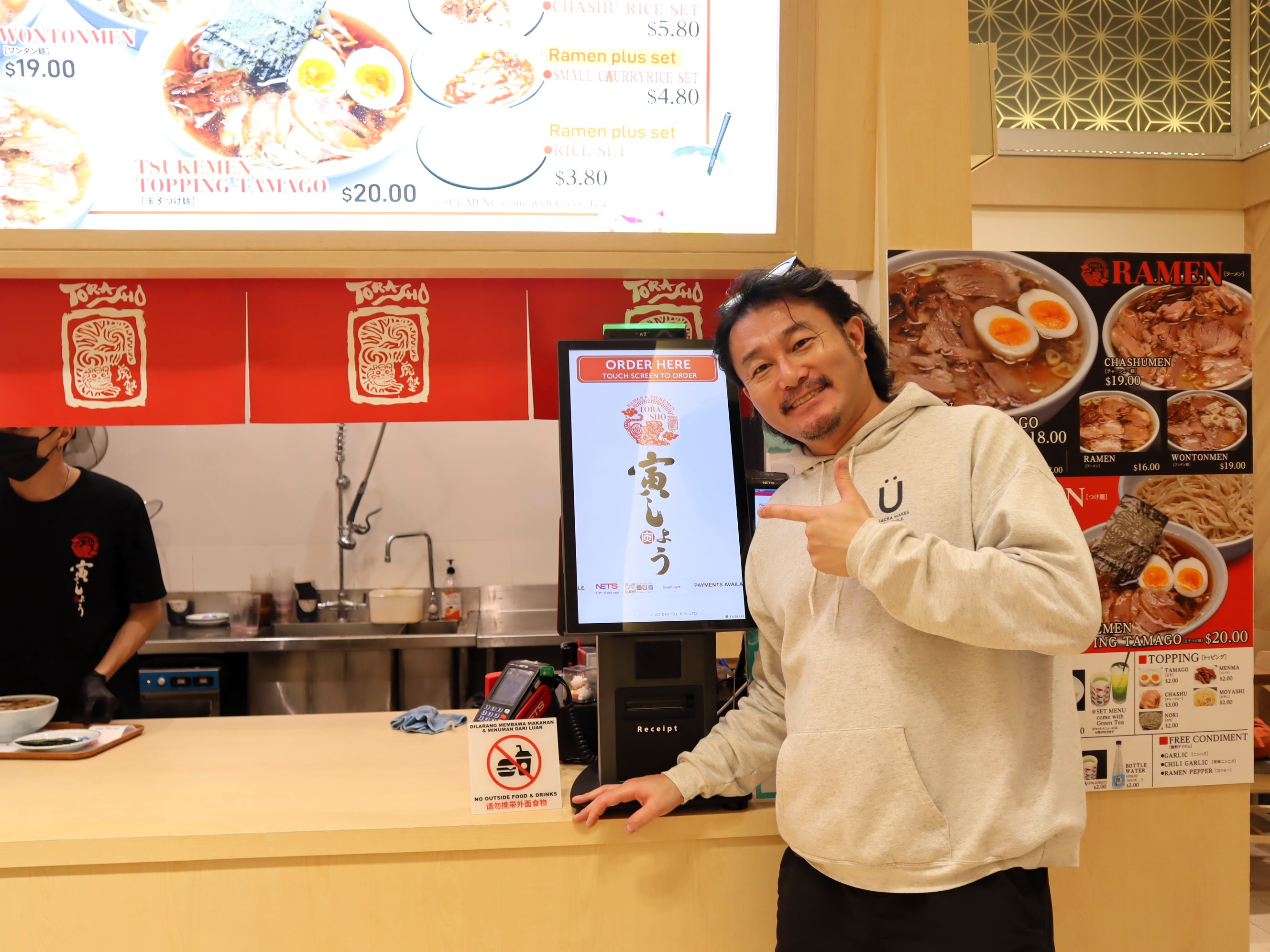
Chef Sho Naganuma, who has an impressive resume working at Michelin-starred Japanese and French restaurants. Photo © Fen Chia
In the tradition of the ‘perpetual stew’ many Northeast Asian eateries are known for, the broth that you may find here is not ‘new’ . Rather, the simmered pork belly, pork shoulder, genkotsu (pork knuckle) bones and seabura back fat are topped up, ensuring a continuously brewing pot of goodness that delivers a savoury depth. I can imagine how a sip of such tradition can probably bring back immediate memories of childhood for many Japanese like Sho san.
Meanwhile, the thin yet springy noodles are exclusively developed in collaboration with a Sapporo noodle maker of over 40 years, while the chashu is hand-sliced to order, ensuring freshness. This contrasts with how many ramen restaurants can be observed capping their bowls with pre-sliced meat straight from the refrigerator just before they serve.

A clean and balanced broth. Photo © Fen Chia
Ramen or Tsukemen?
Building on the same foundation of shoyu broth, you can enjoy different toppings while Torasho’s signature Ramen (S$16) can be enhanced with more slices of tender pork for a heartier bowl of Chashumen (S$19). You may also add on eggs (S$2 each) or additional seaweed, bamboo shoots, beansprouts (S$2 each) or chashu (S$3). While we often get pan-fried gyoza at ramen outlets, what we found unique at Torasho were the wontons, which are available in the Wantonmen (S$19) and Chashu Wontonmen (S$22) variations.
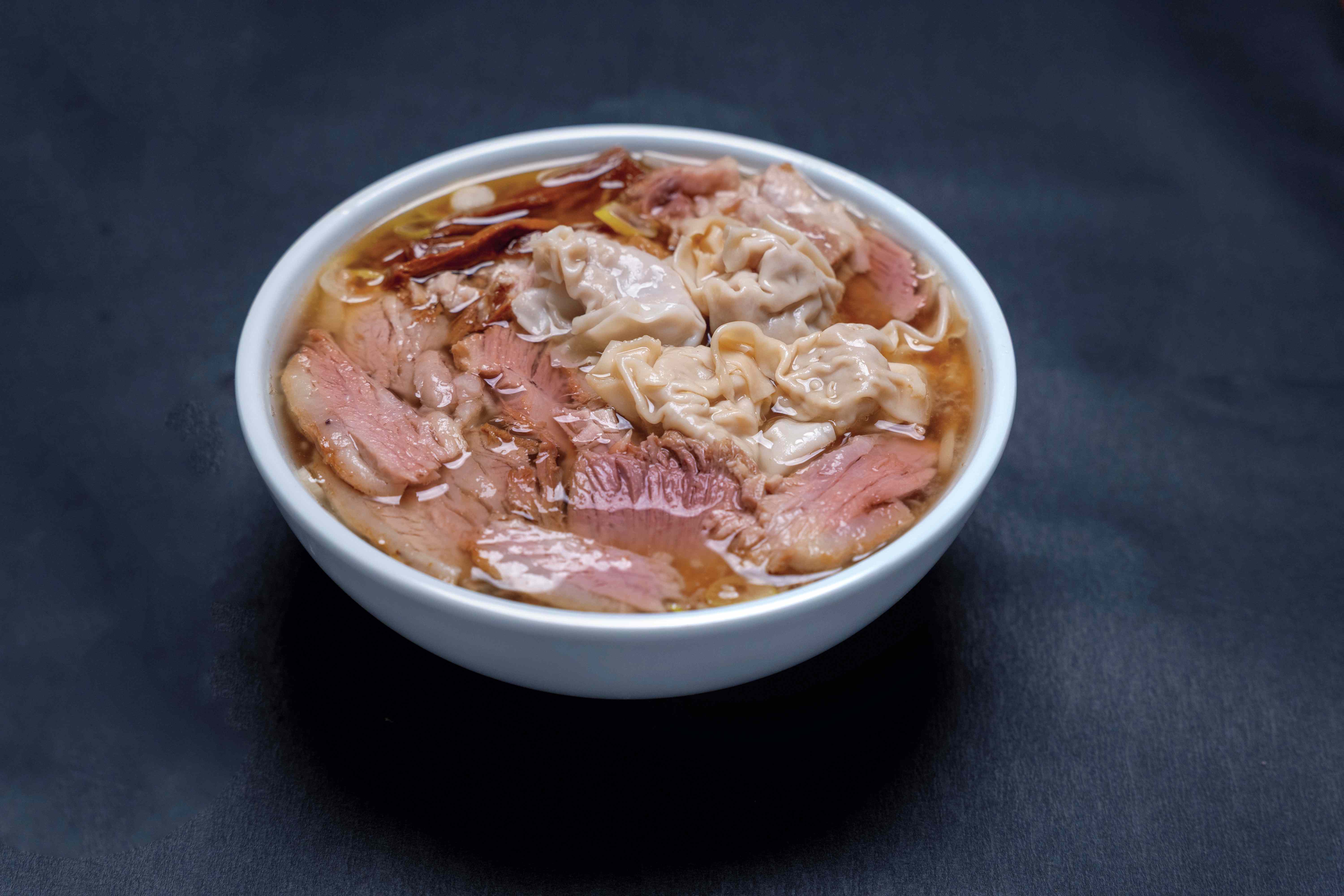
Chashu Wantonmen.
When it comes to Tsukemen (S$18), the noodles and broth are served separately for a diner to experience their taste differently. Don’t take too long to get to your noodles as it may clump together. But otherwise tsukemen allows you to savour the taste, texture and chewiness of the noodles without it being fully drenched in the broth. Conversely for the soup version, the noodles may get soggy if you let them sit for too long.
The tsukemen here comes with a generous noodle portion and a full-sized bowl of the same classic shoyu broth used for regular ramen—unlike some tsukemen places that serve a smaller portion of concentrated dipping soup. The broth is drinkable, not too salty, and surprisingly addictive.

Tsukemen, with noodles served on the side. Photo © Fen Chia
Sides
Despite benefitting from the large portions, we could not resist trying the sides that were available. Although we were disappointed that the Small Curry Rice Set (S$4.80) was sold out, we managed to try the crispy karaage (S$6.80). The fried chicken was so delicious and juicy such that we had to have seconds, while also adding sides of additional wontons (S$5.80) and chashu (S$7.80) was a perfect excuse for trying out the house condiments such as a punchy homemade garlic chilli and minced garlic.
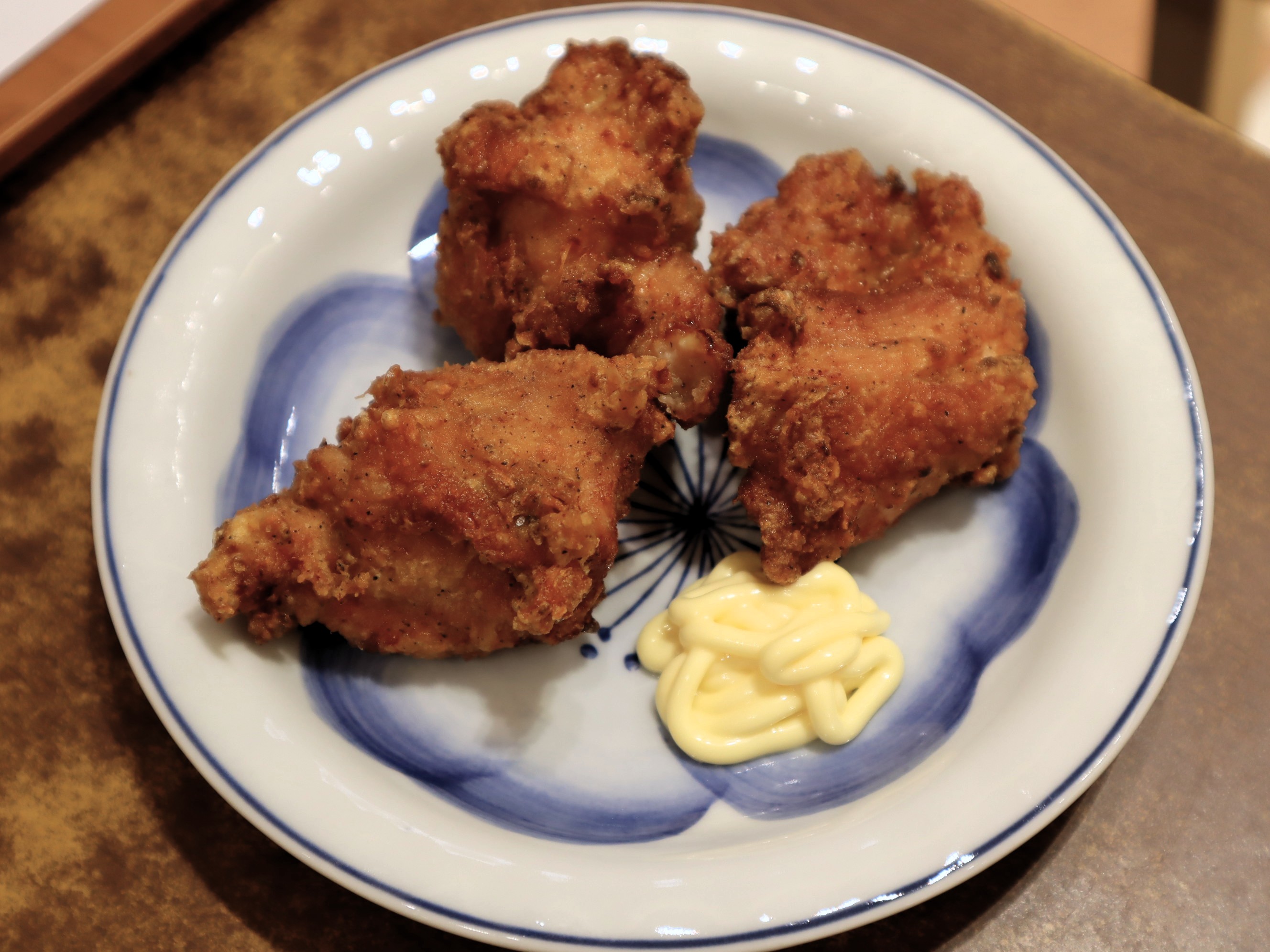
The karaage was excellent, being crispy and succulent. Photo © Fen Chia
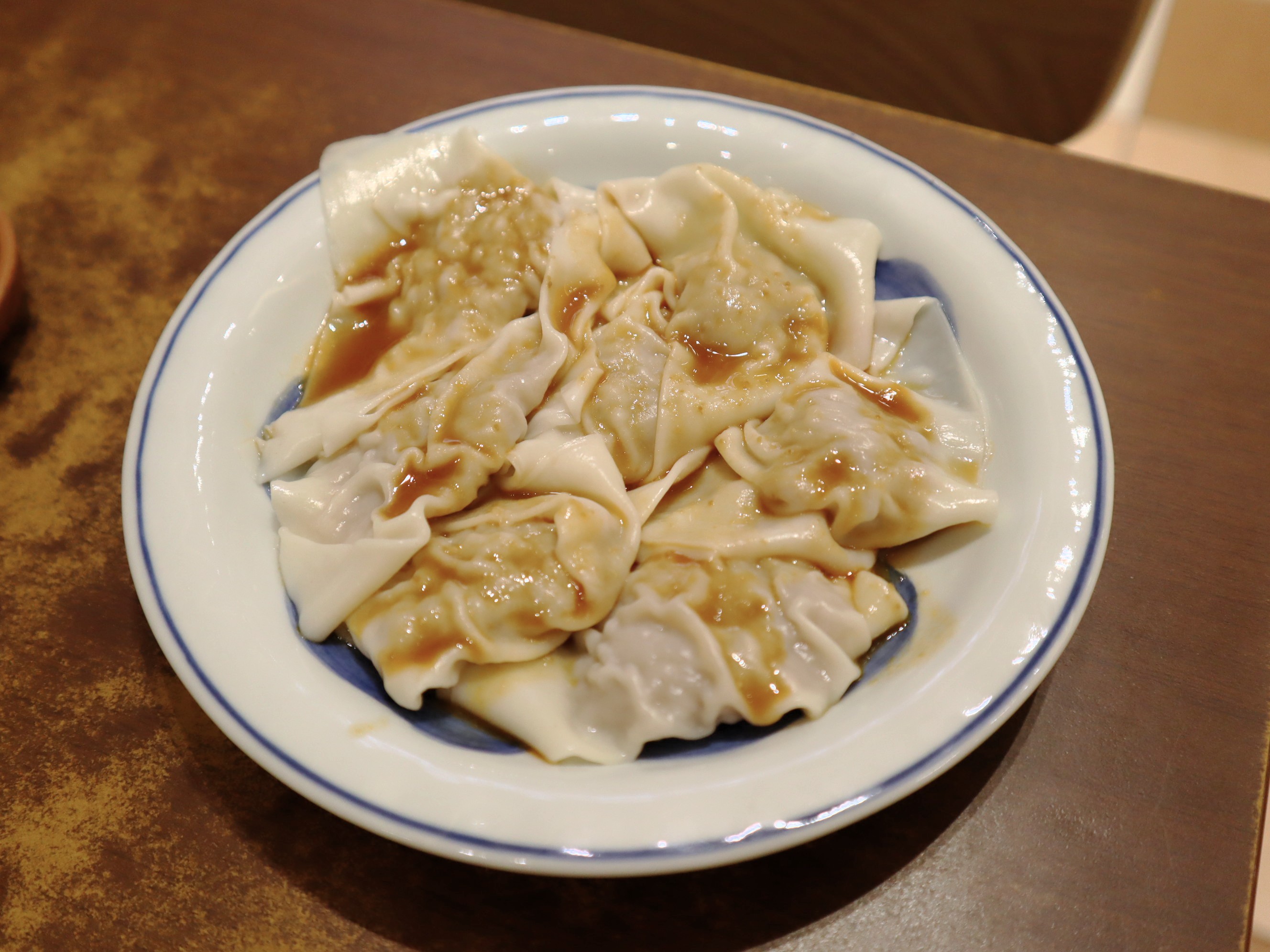
More wontons. I liked these better than the usual fried gyoza as they were more meaty and juicy. Photo © Fen Chia
The evening had to come to an end as it was almost closing time. As someone who is noodle-obsessive, I’ve tried a lot of new-fangled ramen. Even when it comes to more traditional flavours, it seems like creamy tonkotsu broths are the default option for Singapore palates. This experience at Torasho was truly an eye opener for this ramen fan. Frankly, I could even say it was an honour to eat these heartwarming bowls of ‘old school’ ramen that a chef with as storied a career as Sho San craves – all this against the backdrop of exciting, fancy, fusion flavours which spoil us for choice in Singapore.
I came away with a new appreciation for the simplicity and depth of taste that shoyu broth creates. Hopefully, this taste of nostalgia will resonate with the palates of the Japanese residents here and also find fans among Singaporean diners.
Torasho Ramen Takashimaya
Takashimaya Food Hall B2
391 Orchard Rd
Singapore 238873
Opening hours: Daily, 11am to 9pm