Having driven so many cars over the years, it’s natural to start to feel a bit jaded. It’s especially acute in this era of electrification, where many electric vehicles (EVs) tend to feel more or less the same to drive, and come with mostly similar features, to the point where it can be hard to tell them apart from each other.
Occasionally though, something comes along that piques your interest, and fires up your curiosity once more. It could be something that’s uniquely designed, or makes a breakthrough by offering something that’s simply different from the rest.
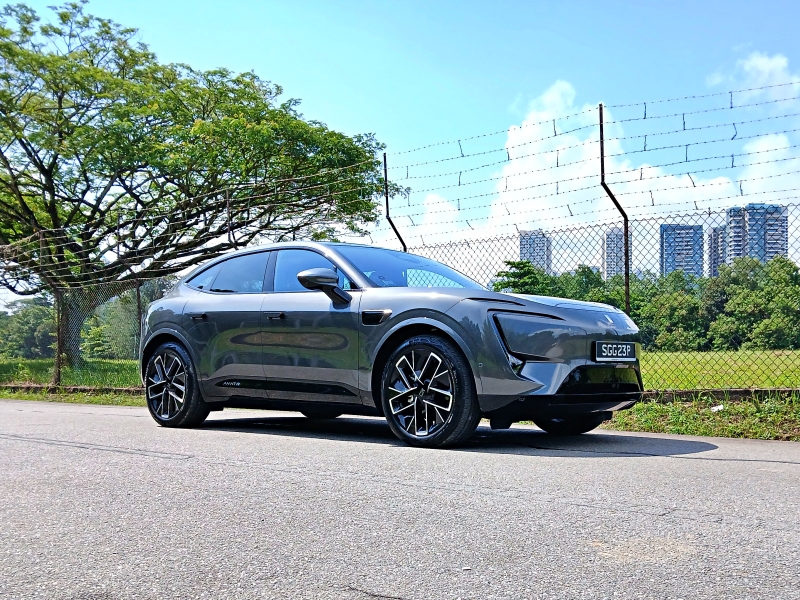
The Avatr 11 feels like such a car. Straight from the off, you just get the sense that this is a Chinese car like no other. The name alone gives away that rebellious vibe, with the intentional misspelling of the brand, and the fact that the company insists that this car is pronounced ‘one-one’ instead of ‘eleven’.
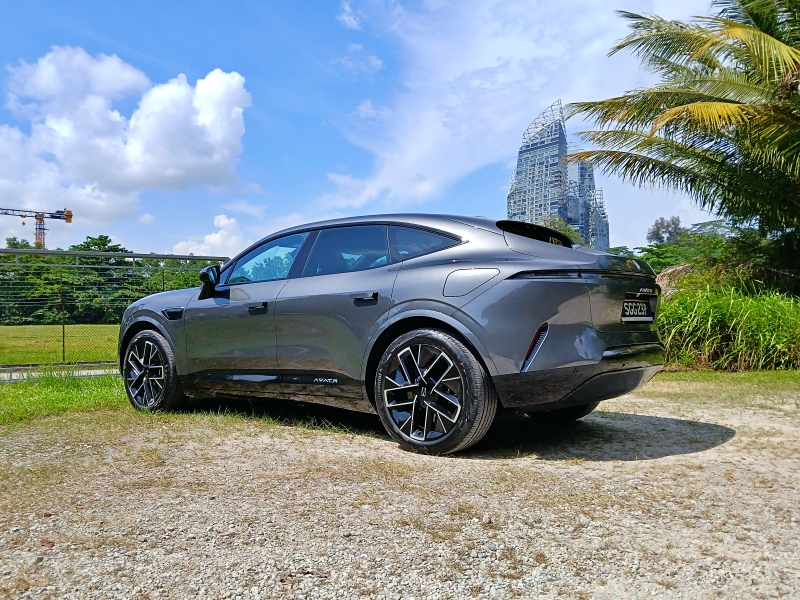
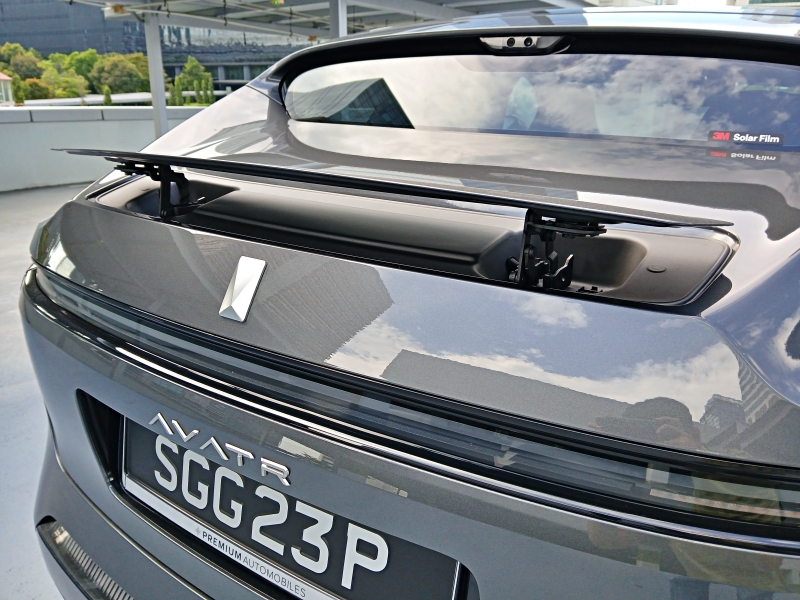
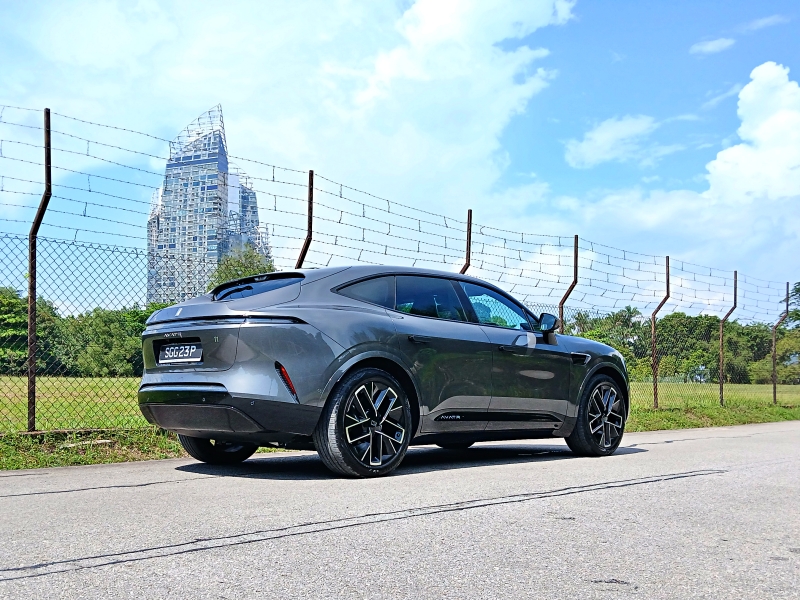
The Avatr 11 is ostensibly a large electric sports utility vehicle (SUV) with a sleek coupe-like shape, but it simply doesn’t look like anything else you’ll see on the roads. The most distinctive elements are the fang-like headlight signature, the almost-vertical rear windscreen, and the sedan-style boot. There’s even a retractable rear spoiler, which is not something you’ll see on an SUV-type car like this.
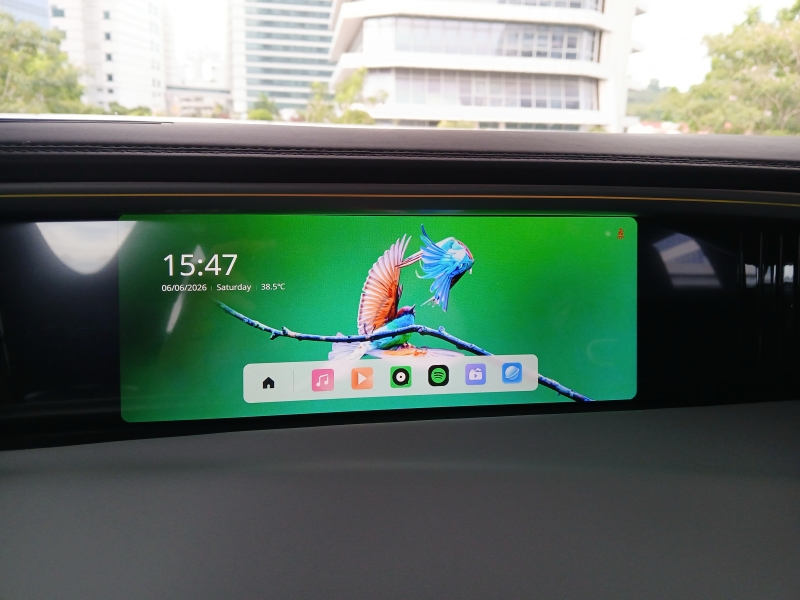
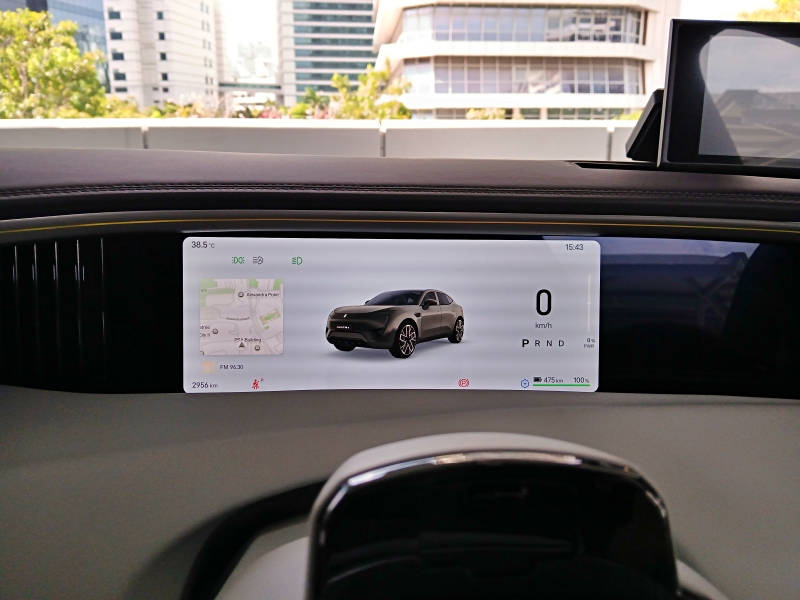
The unusualness extends inside too. The dashboard is dominated by screens, with the large 15.6-inch touchscreen taking centrestage, and the driver and passenger each getting a 10.25-inch screen of their own too. The one on the passenger side mostly controls the infotainment options, but it is clearly an idea cribbed from European premium carmakers like Porsche and Mercedes-Benz who were there first.
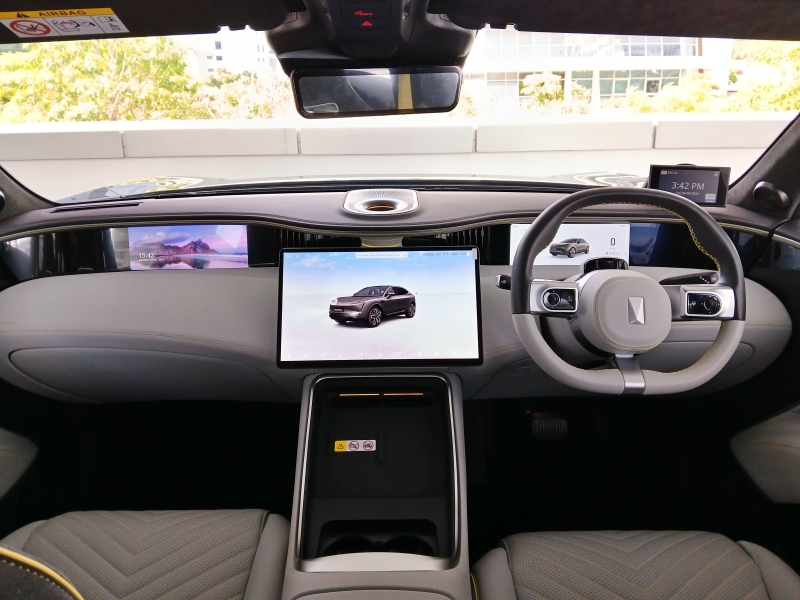
But that’s not the only thing that Avatr has aped though. The overall ambience of the cabin is one of plushness, and you are surrounded by high quality materials that wouldn’t feel out of place in an upmarket European brand. The ‘zero gravity’ seats are ultra comfortable, good enough to take a nap in, and they come with ventilation and massage functions to boot.
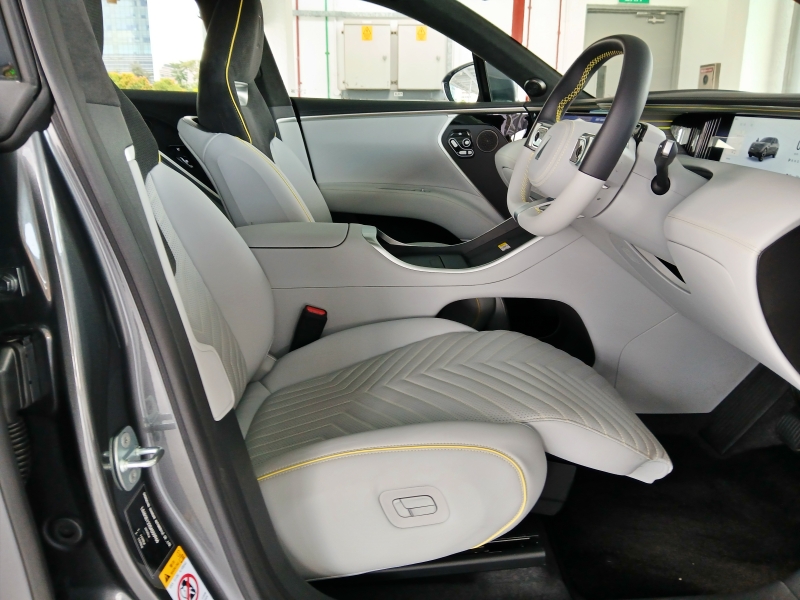
Other features worth noting include the 25-speaker Meridian sound system to delight the audiophiles, a cool ambient lighting system with 256 selectable colours to set the right mood, and, if you opt for the Long Range version, doors that can open and close by themselves too.
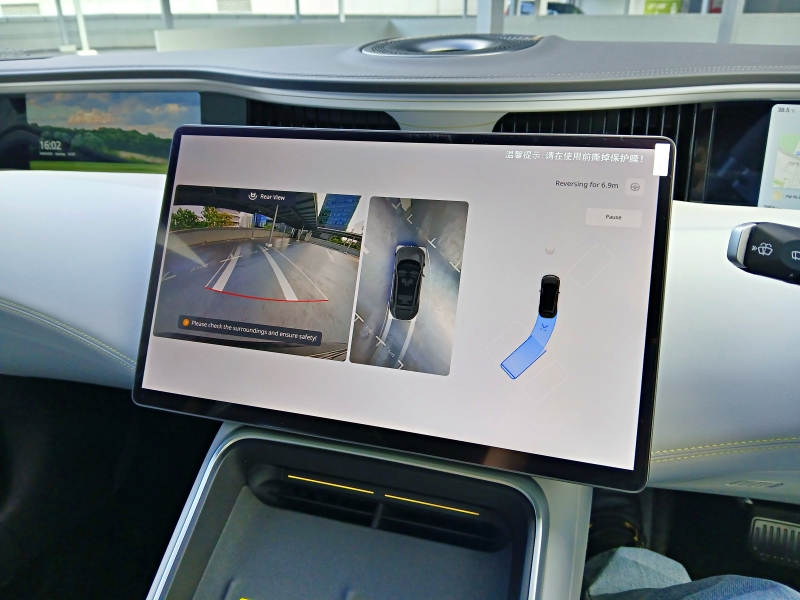
There’s also the usual suite of driver assistance systems that are expected in new cars today, but the ones in the Avatr seem a touch more advanced than most. The adaptive cruise control comes with an automatic lane changing function that works pretty well, and the parking assist feature can be activated while you’re outside the car if you use the companion Avatr phone app.
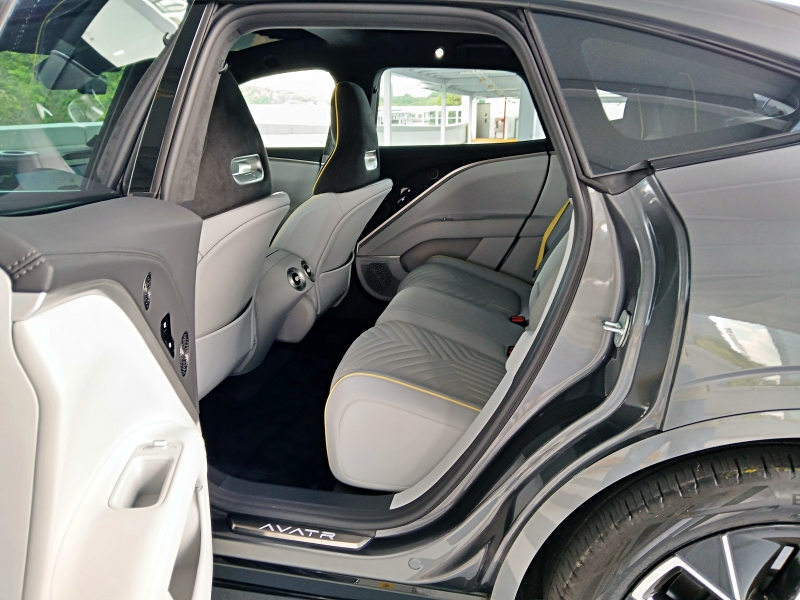
Passengers will also delight in the generous space accorded, thanks to the car’s lengthy wheelbase of almost 3 metres. There’s plenty of room to stretch your legs, and the ventilated seats are equally comfortable as those in front. Headroom is surprisingly decent despite the coupe-like body style, and the panoramic sunroof gives the cabin an airy ambience.
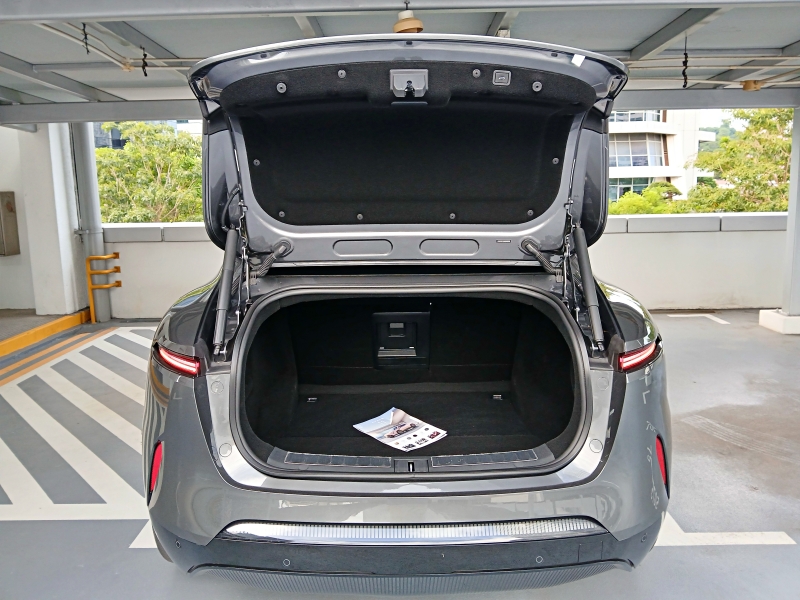
The boot offers a fairly decent 490 litres worth of cargo capacity, but the opening is shaped rather awkwardly, and fitting larger items might require a bit of creative thinking. There’s also a frunk with 95 litres of space though if you need it, which can be a bit useful, although the depth is somewhat shallow.
Two versions of the Avatr 11 are available in Singapore, with the one tested here being the Standard Range variant, featuring a 90kWh battery powering a single electric motor that produces 308bhp and 350Nm of torque. There is also a Long Range variant with a larger 116kWh battery, but produces the same output.
The difference between the two then is therefore only in range, as the names suggest. The Standard Range can travel up to 475km on a full charge, which is pretty impressive on its own. Plump for the Long Range though and you get a staggering 600km with a full battery, a realm that only a select few other EVs can better.
0-100km/h comes up in 6.6 seconds for the Standard Range (6.9 seconds for the Long Range), which doesn’t seem especially quick. But that’s not really the raison d’être of this car anyway. Instead, the Avatr 11 feels like a car that likes to sit back and relax. There’s none of that instantaneous and aggressive punch that some other EVs offer, but instead the power builds up gradually, very much like an old-school big-engined limo would.
There’s very much a comfort-oriented bias with this car, with the suspension coping magnificently even on badly surfaced roads. And yet it’s not too soft to the point of being wallowy. There’s a very nice balance that results in a soothing ride without making you feel carsick.
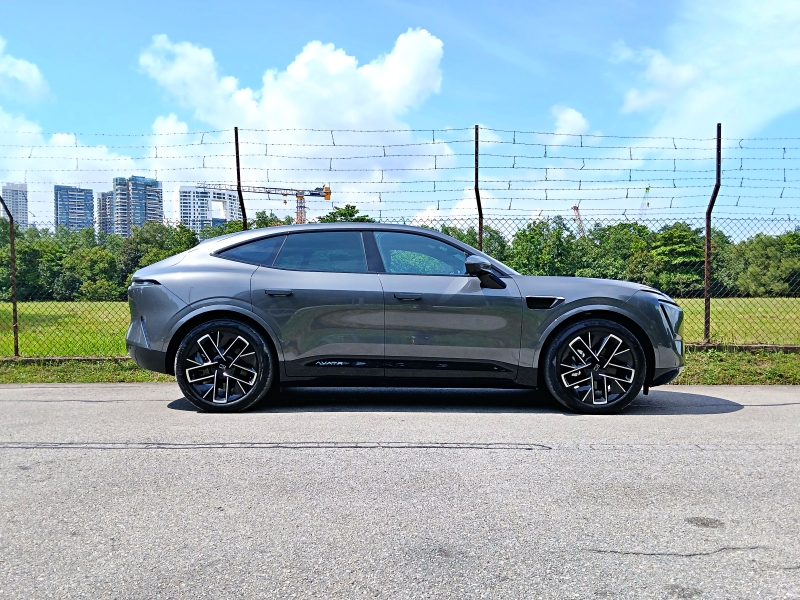
In the corners, the Avatr 11 does as well as you’d expect from a large and heavy rear-wheel-drive SUV. It’s not the most engaging or exciting car to drive, but the handling is composed enough to hold its own without feeling overwhelmed if you push it. The suspension again does excellent work in helping to minimise body roll, and it offers a strong sense of stability, even if it loses in agility on account of its sheer size.
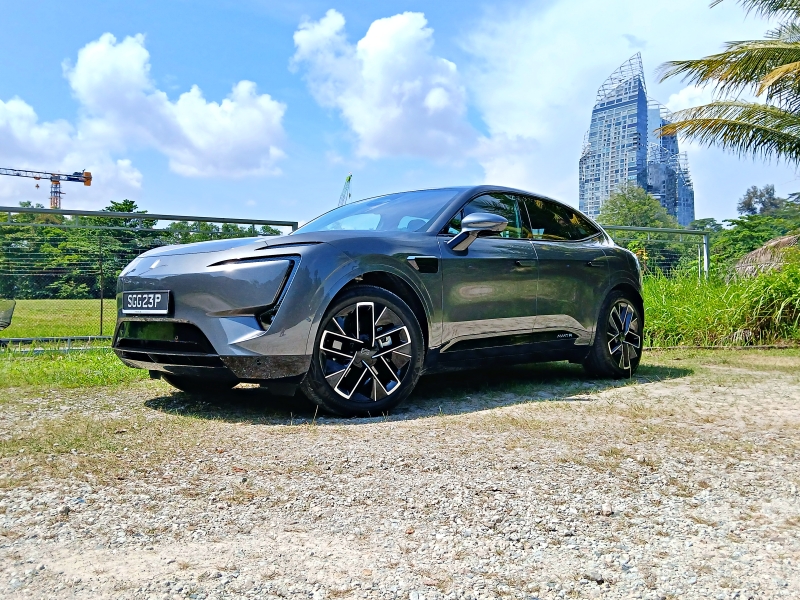
The Avatr 11’s biggest appeal though, to me at least, is that it actually dares to be different. It breaks the mould in so many ways, from its unique head-turning design, to its high-quality interior that challenges the notion of what most people think about Chinese cars. Its unconventionality is truly refreshing, and more of this would certainly be welcomed.