

With COE prices north of S$100,000 now the new normal, the unfortunate result is that car ownership has quietly slipped out of reach for many Singaporeans. Even if you’re shopping for something basic, five seats, four wheels, and nothing fancy, expectations kept firmly in check, buying a car still feels like abit of a stretch these days.
Take the Honda Fit, once the budget darling of yesteryear. Today, you’re looking at a price tag of around S$152,000 as of January 2026. And the picture is even more bleak if you are a traditional sedan person, someone who, during saner COE times would have bought a Toyota Vios, Toyota Corolla Altis, Honda City or Mitsubishi Attrage.
You see, of the 14 cars available locally under S$ 160,000 (as of January 2026), only two are sedans. The Aion ES, starting at S$155,988, and the JMEV ELIGHT, which starts at S$158,777.
So which is a better buy if you are looking for a budget sedan?
Now, this isn’t a comparison review, but a quick glance at the spec sheets already tells an interesting story. For roughly S$3,000 more, the JMEV ELIGHT brings a significantly larger battery at 63 kWh compared to the Aion ES’s 55.2 kWh. More importantly, it’s a lot quicker. The ELIGHT does the 0 to 100 km/h sprint in 8.9 seconds, while the Aion ES takes a rather leisurely 12.1 seconds.
A bigger battery and noticeably quicker acceleration are two things I tend to like in an electric vehicle (EV) even if I’m on a tight budget, so it felt only right to take a closer look at the JMEV Elight.
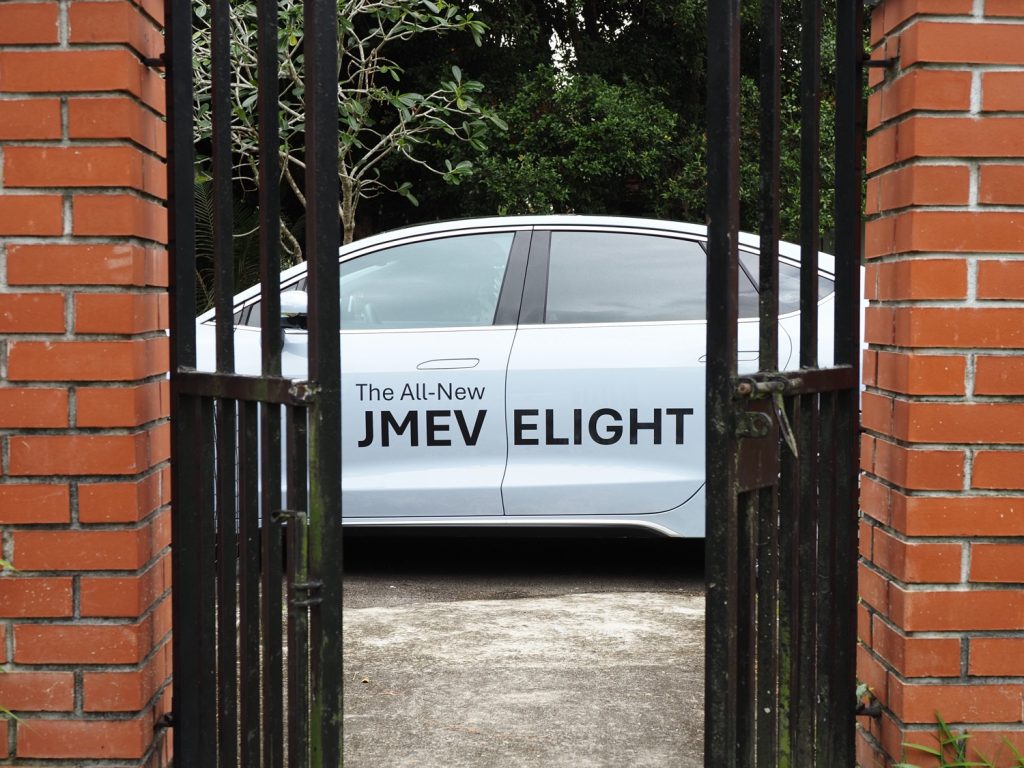
Photo © Calixto Tay
Does it look good?
Visually, the JMEV ELIGHT plays things fairly safe. With simple lines and curves, its “sports-coupe” silhouette does feel a little uninspiring with many other Chinese EV sedans following the same formula.
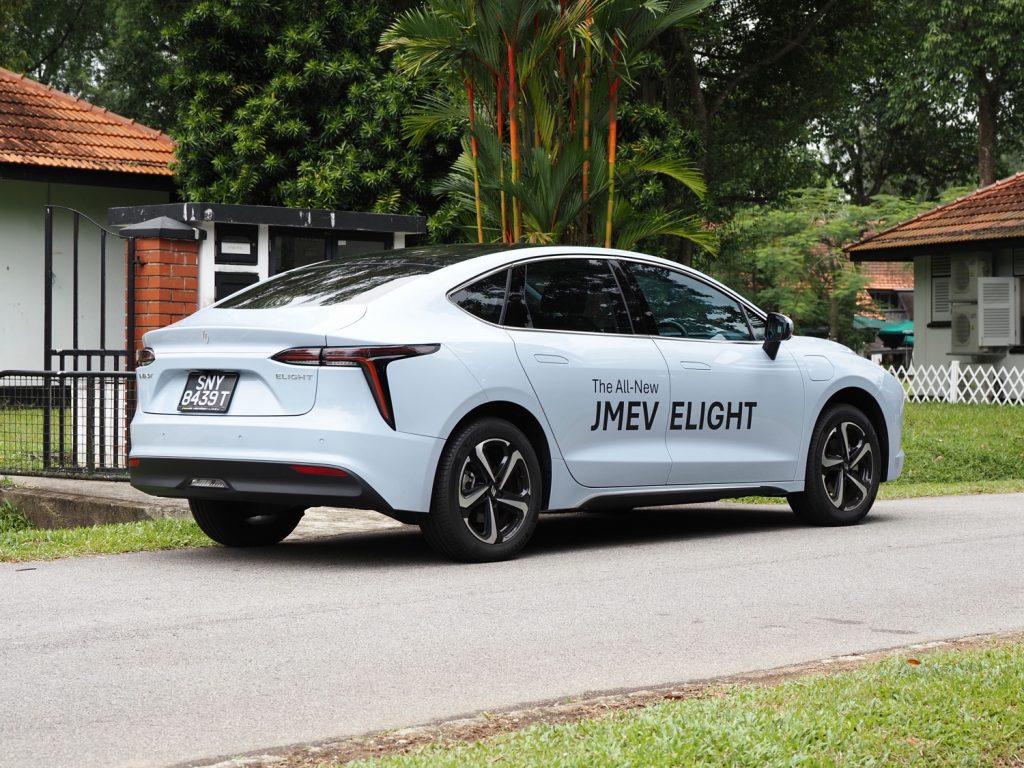
Photo © Calixto Tay
Look a little closer however, and you would notice that its front end is nicely executed, with boomerang-shaped daytime running lights giving it a distinctive personality. The same boomerang theme extends itself to the rear taillights, giving the car a kind of symmetry and cohesiveness that is hard to fault.
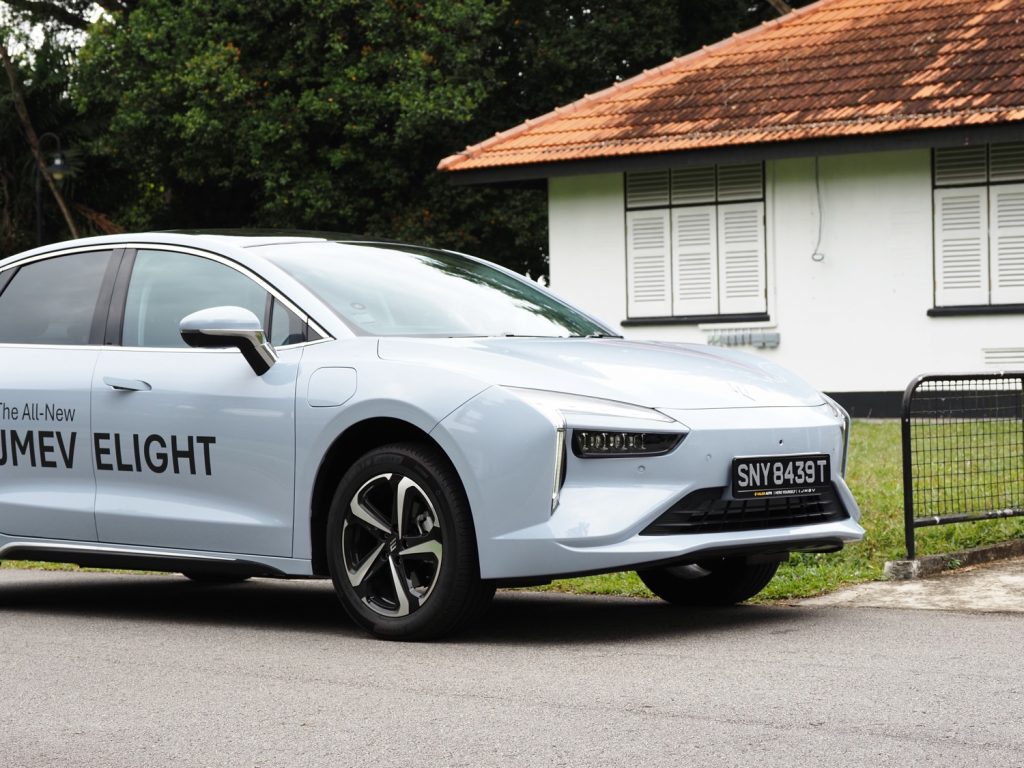
Photo © Calixto Tay
While the JMEV ELIGHT does not look particularly large, it definitely commands more road presence than the lights of Toyota Vios, Honda City or Mitisubshi Attrage. In fact, what’s surprising is that the ELIGHT is even longer than a Toyota Corolla Altis, which translates to ample interior space.
What’s on the inside?
At this price range, I had massively tapered my expectations before setting foot in the car. I was expecting a “plastic-fantastic” affair, with hard plastic adorning majority of the interior, from door trims to dashboard. I was also expecting a highly minimalistic control interface, with minimum physical buttons and all the controls located on its infotainment touch screen. After all, removing physical controls is a manufacturer’s cost cutting trick that has plaque most recent cars, budget and non-budget offerings alike. And on those two fronts, the JMEV ELIGHT completely surpassed my expectations.
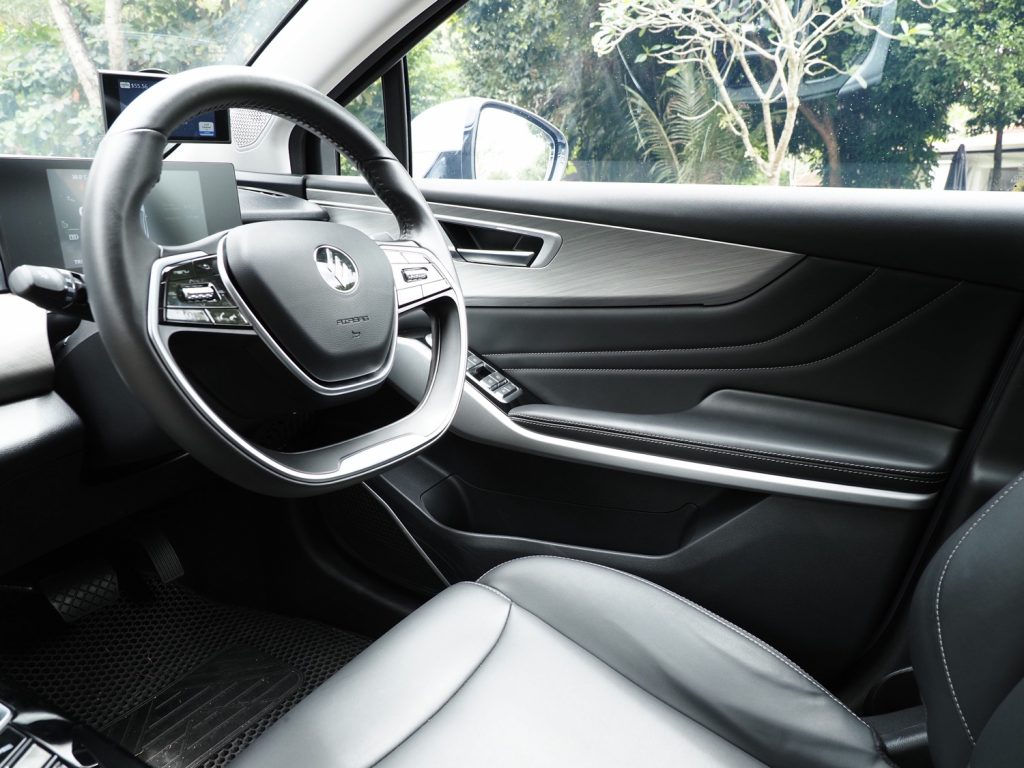
Photo © Calixto Tay
Instead of being greeted by hard plastics everywhere my hands and arms naturally rest, the JMEV ELIGHT pleasantly surprised me with plenty of soft-touch materials and leather-clad trim pieces.
The window sills on the doors are finished in soft plastic, while the entire upper half of the door trim is wrapped in weighty, metallic-feeling plastics and plush leather, likely of the vegan variety. I still would not go as far as calling this a luxury interior, but it is comfortably a step above entry-level offerings from many traditional manufacturers, and that in itself is a small but meaningful win.
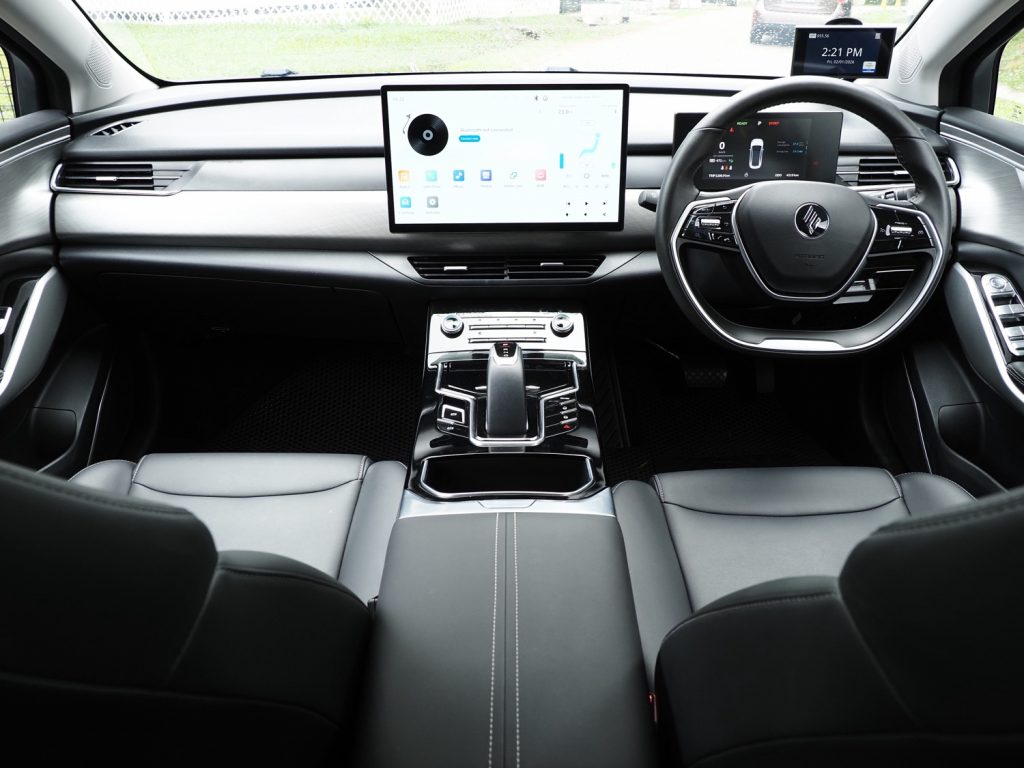
Photo © Calixto Tay
Moving to the centre, I appreciate that the centre armrest is finished in the same plush leather with contrast stitching, a surprisingly costly detail that’s usually reserved for more expensive cars.
Unfortunately, that goodwill is slightly undone by the heavy use of glossy piano black plastic across the centre console. It looks decent when new, but it will inevitably pick up scratches, fingerprints, and dust over time, the holy trinity of piano black ownership.
The JMEV ELIGHT also avoids committing the cardinal sin of removing important physical controls.
Instead, it proudly embraces a buttons-galore approach on the centre console, with large, easy-to-use buttons handling everything from the air-conditioning system and central lock functions to drive mode selection. In a world increasingly obsessed with burying basic controls inside touchscreen, this feels refreshingly sensible, and is an increasingly rare find in the budget segment. After all, it is more costly for manufactures to include physical buttons and dials compared to pixels on a touch screen.
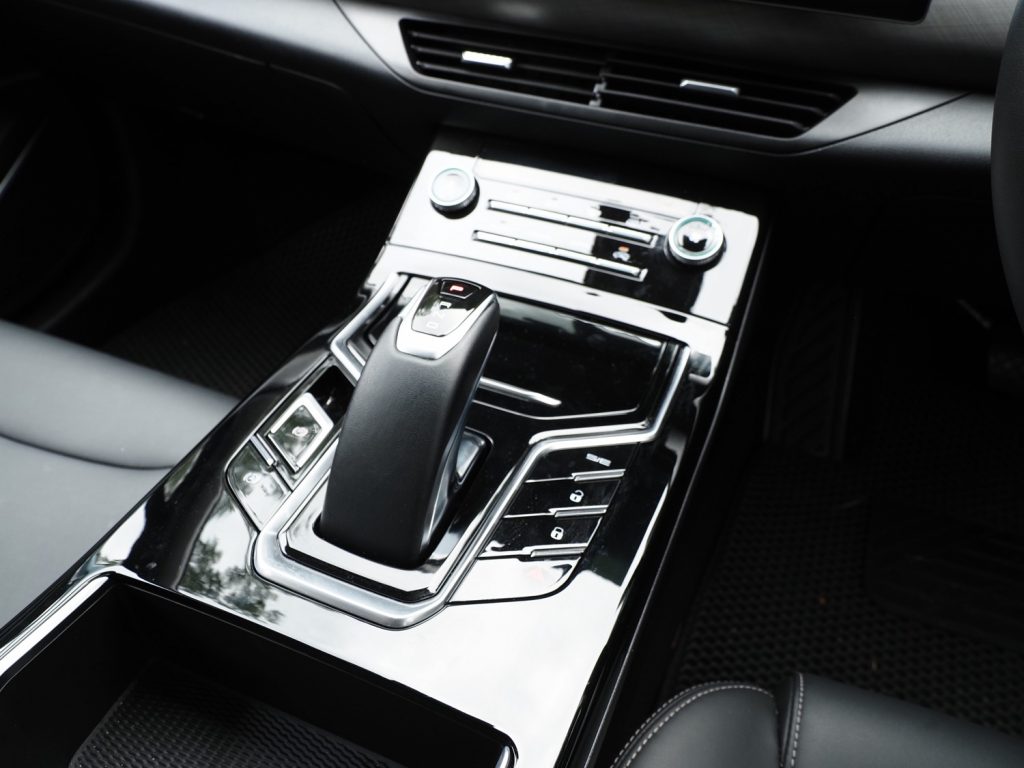
Photo © Calixto Tay
On the driver’s door, you’ll find proper physical buttons for side mirror adjustment, along with individual switches for each window. That might not sound noteworthy at first, but in today’s automotive landscape, it absolutely is. Many modern cars, especially EVs, have started cutting corners by removing mirror adjustment buttons entirely and burying them deep inside infotainment menus. Some manufacturers have even gone as far as halving the number of window switches, turning a simple action into an unnecessary guessing game.
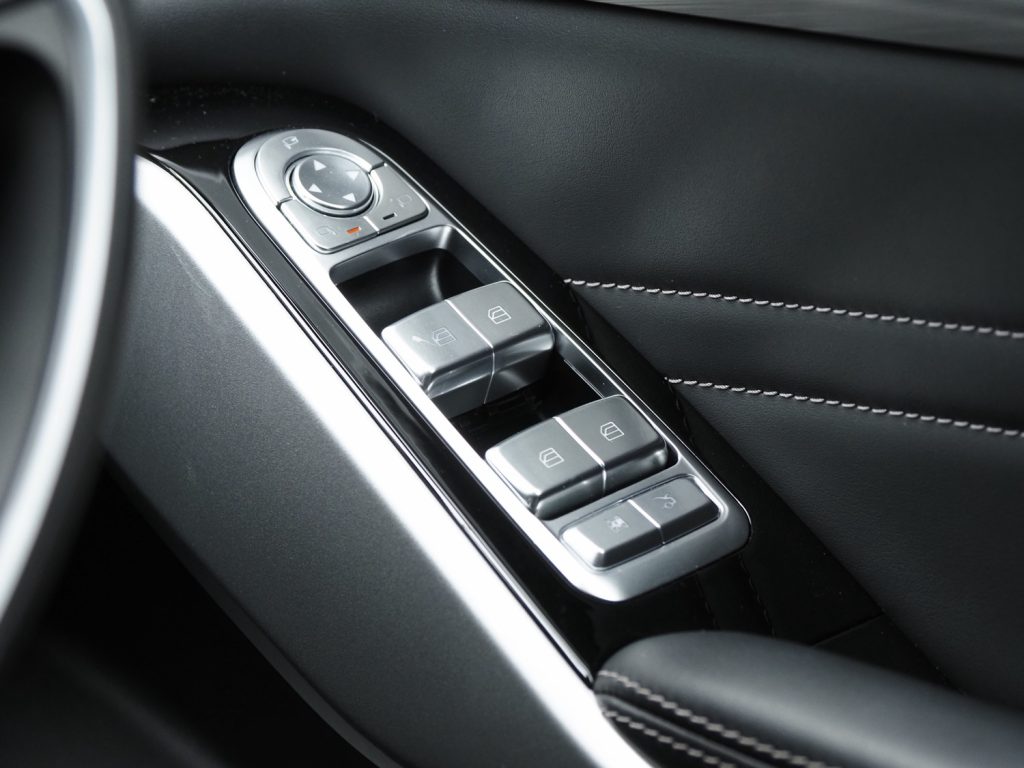
Photo © Calixto Tay
The JMEV ELIGHT also doesn’t compromise on interior space, despite its accessible price tag. There’s a genuinely surprising amount of legroom in the rear, even with the driver’s seat set to my rather stretched-out driving position. You can comfortably cross your leg and shake them if you want. There’s just so much room.
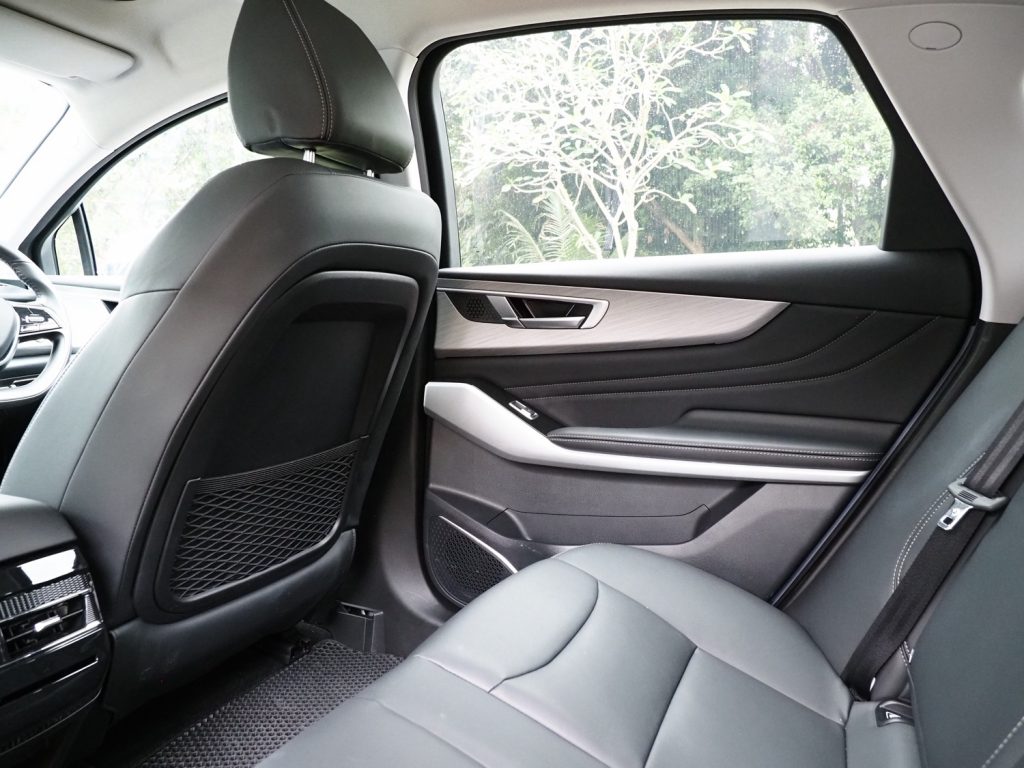
Photo © Calixto Tay
Headroom is ample as well, and the expansive glass roof helps let in plenty of natural light, making the cabin feel even more airy and spacious. It isn’t one large, continuous piece of glass, of course, because cost has to be managed somewhere, but it does its job well without making the interior feel claustrophobic.
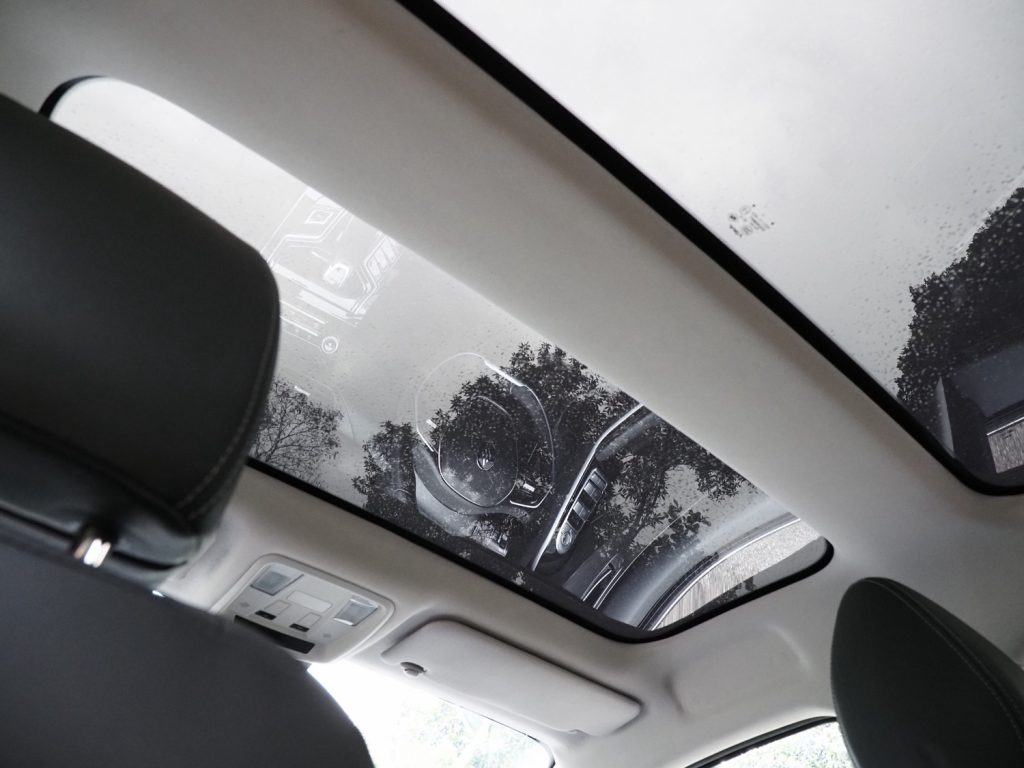
Photo © Calixto Tay
One final party piece worth mentioning is the storage compartment beneath the centre armrest. There’s an adjustable vent that pipes cold air directly from the air-conditioning system into this space, effectively turning it into a makeshift chiller for your drinks. It’s not a full-blown refrigerator, and at this price point it really shouldn’t be, but it’s genuinely functional and surprisingly thoughtful. More importantly, it’s one of those small features you rarely find in other cars in this segment, and once you’ve used it, you’ll wonder why more manufacturers don’t bother.
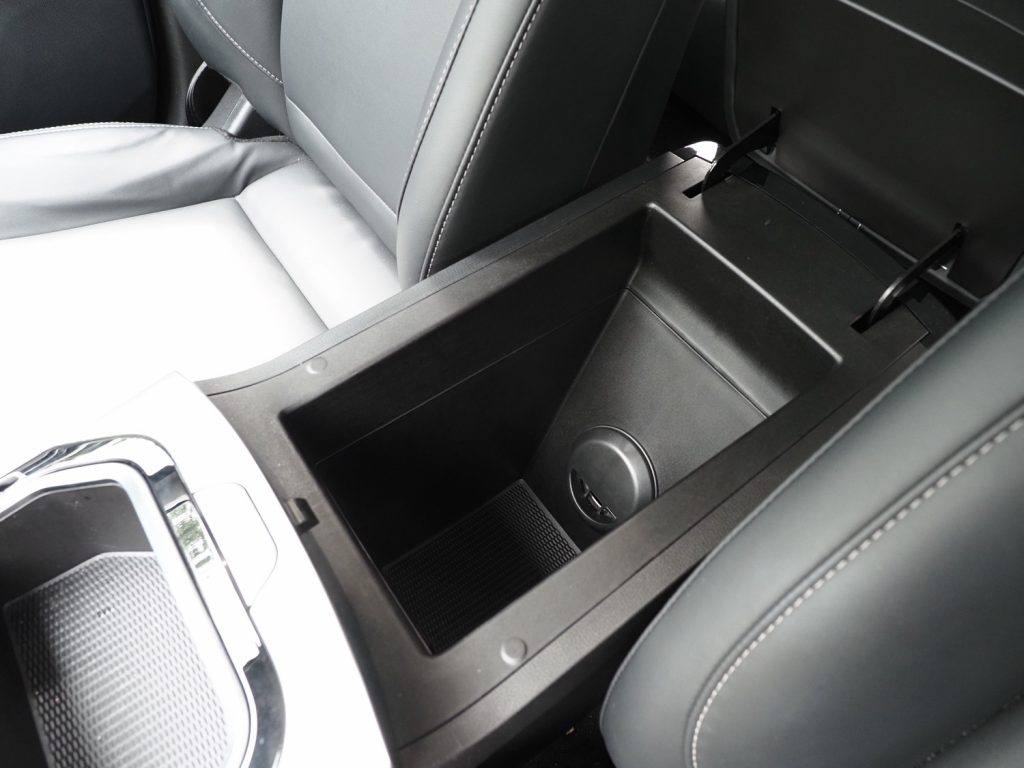
Photo © Calixto Tay
Thus, the interior of this budget car is anything but budget. To get a closer to look for yourself, feel free to spin, pinch and drag around with the 360-degree view below.
Behind the passenger cabin, the storage space for your barang-barang is ample too, with a 410L boot that is sufficiently wide and deep enough for most needs.
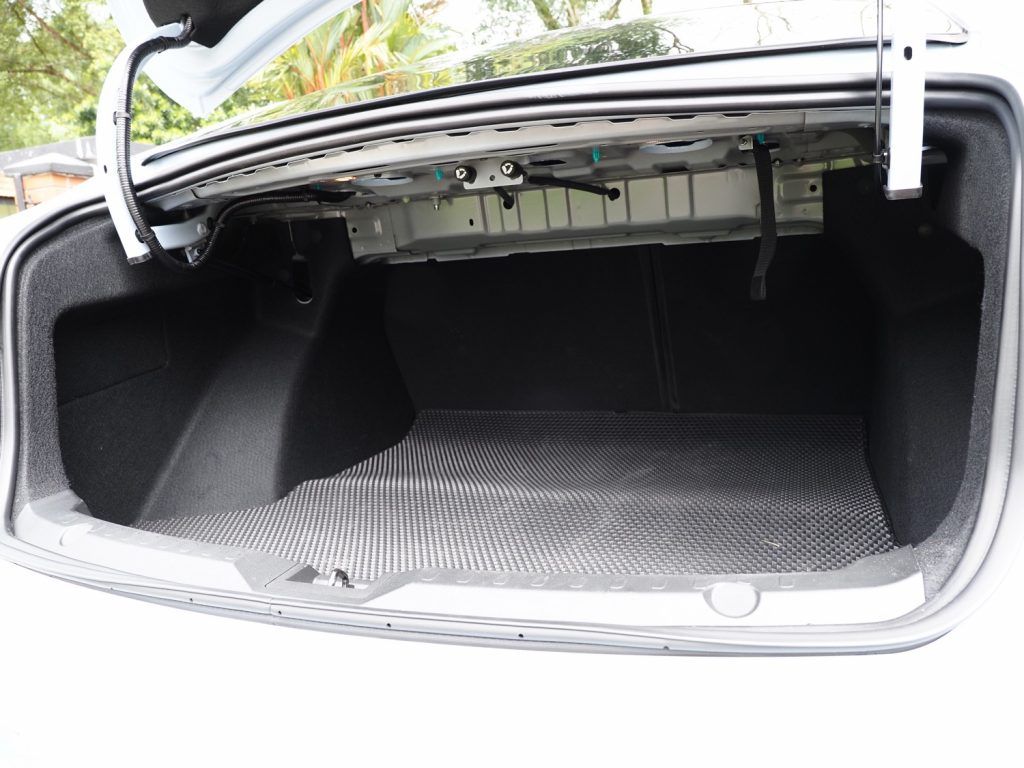
Photo © Calixto Tay
How does it drive?
This is yet another area where the JMEV ELIGHT punches well above its price class, albeit with one important caveat that I’ll get to shortly.
When it comes to power and acceleration, the ELIGHT is anything but underwhelming. Unless my research has failed me, it is currently the quickest accelerating CAT A car you can buy in Singapore, with a 0 to 100 km/h time of 8.9 seconds. That performance comes courtesy of a 108 kW electric motor, just 2 kW shy of the CAT A limit, producing 145 bhp and driving the front wheels.
What’s equally impressive is what sits underneath. Up front, you get MacPherson independent suspension, while the rear uses a proper multi-link setup. This is the good stuff. It’s more expensive to engineer and manufacture than simpler alternatives, and it clearly shows that JMEV is trying very hard to squeeze maximum value out of every dollar for buyers.
On the road, the ELIGHT delivers. It feels genuinely quick, corners with confidence even at higher speeds, and manages to remain comfortable and compliant for passengers at the same time. It’s an unexpectedly well-balanced setup for a car in this segment.
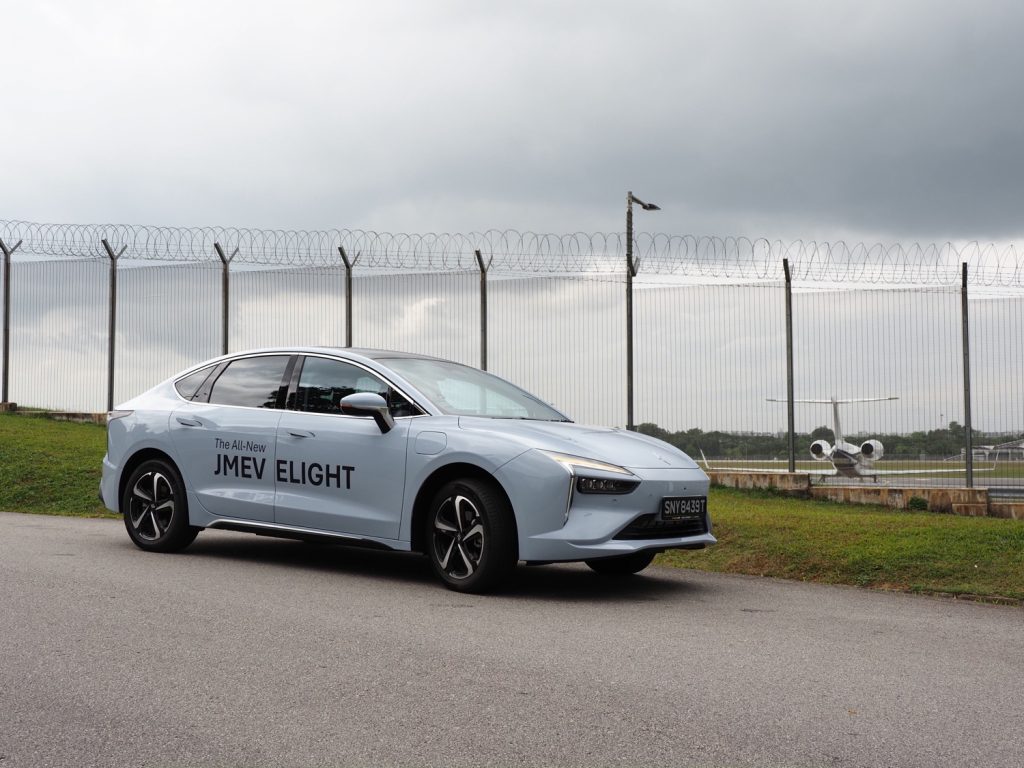
Photo © Calixto Tay
Range is another strong point. The 63 kWh battery is one of the largest you’ll find at this price, with an estimated range of 460 km. In my testing, that figure proved to be realistic, even with a healthy amount of time spent in Sport mode, which says a lot about the efficiency of the overall package.
Perhaps in an effort to maximise battery efficiency, or to make the car feel less intimidating for drivers new to EVs, JMEV ELIGHT has been tuned with an extremely progressive accelerator pedal. In practice, this means you can press down roughly the first third of the pedal and feel very little power being sent to the wheels. The acceleration only starts to build meaningfully once you get closer to halfway through the pedal travel.
To better illustrate what this feels like from behind the wheel, the chart below is my best guesstimate of how the throttle mapping behaves in real-world driving.
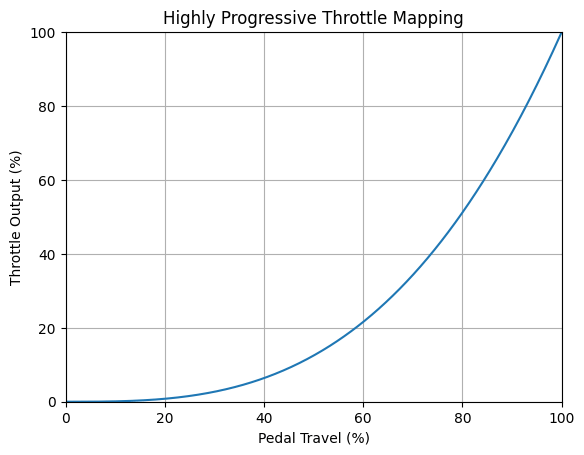
Chart by Calixto
The upside of this throttle mapping is that it allows for finer control at lower speeds, which can be useful in traffic or tight manoeuvres. That said, I found the pedal response a little too unpredictable. I had to consciously remind myself to drive with a heavier right foot just to get the car moving with any urgency.
The brake pedal exhibits a similar trait, though it’s less pronounced. Brake force builds progressively at first, but once you press past roughly the halfway point, the stopping power comes in quite suddenly. It’s not unsafe by any means, but it does take some acclimatisation to modulate smoothly.
This is one area where the JMEV ELIGHT left me slightly unconvinced. To be fair, if this is the only car you drive day in and day out, you would likely adapt to its pedal behaviour fairly quickly. Still, it’s something worth flagging, especially for drivers who value predictability and consistency in pedal feel.
Verdict
The JMEV ELIGHT is an impressively well-thought-out budget electric sedan that delivers far more than its price tag suggests. It’s quick by CAT A standards, comfortable, spacious, and refreshingly sensible in its interior design, especially in an era where many cars where cost management measures compromises on user experience and quality of life.
It isn’t perfect. The overly progressive pedal tuning takes some getting used to, and the driving experience would benefit from more predictable throttle and brake responses. But taken as a whole, the ELIGHT represents strong value in today’s challenging market. If you’re looking for an affordable electric sedan that prioritises practicality, performance, and everyday usability over flashy gimmicks, this is a car well worth considering.
What’s to like
|
What’s holding it back
|
Key Figures
| Battery Capacity | 63 kWh |
| Range (WLTP) | 460 km |
| Torque | 225 Nm |
| Power | 108 kW (145 bhp)
8.9s (0-100km/h) |
| Boot Space | 410 L |
| Price (with COE) | Standard: $158,777
Premium: $164,777 (as of January 2026) |