I used to own a Suzuki SX4. I bought it because I remember test driving one and finding it a very pleasant car to drive and live with. It was also distinctive because of its oddball design, being slightly bigger and taller than a regular hatchback, while not quite big enough to qualify as an SUV.
The SX4 eventually evolved into the S-Cross, a recently-discontinued model that was more in-keeping with the crossover trend than its quirky predecessor. Compared to its forebears, the S-Cross felt more like a regular SUV, with its larger size and more straightforward styling. In a certain sense, it lost a bit of the magic of the original SX4, which tended to invite questions from curious onlookers wondering “What is it?”
But what the S-Cross has lost, it seems like the Fronx has brought back, at least a little bit. That’s what I sensed anyway when I picked up the Fronx for my test drive, with memories of my SX4 slowly seeping back into my consciousness as I spent more time driving it.
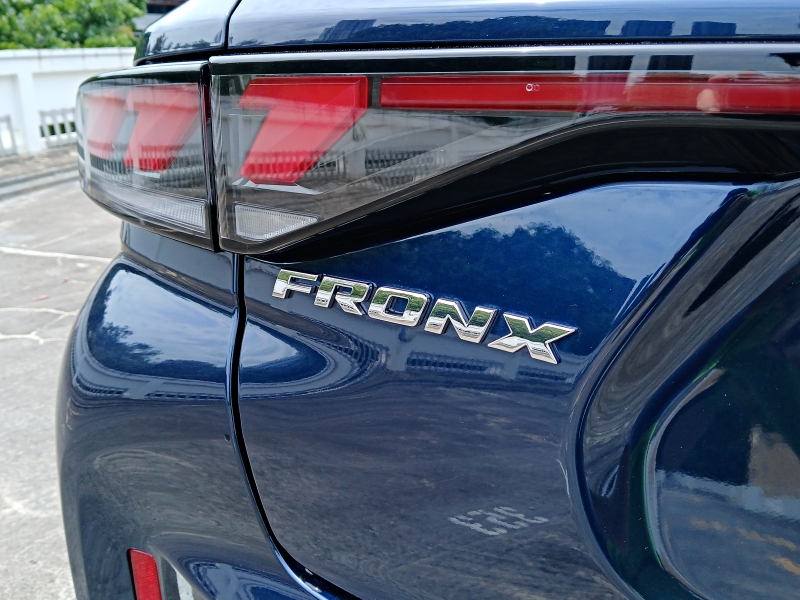
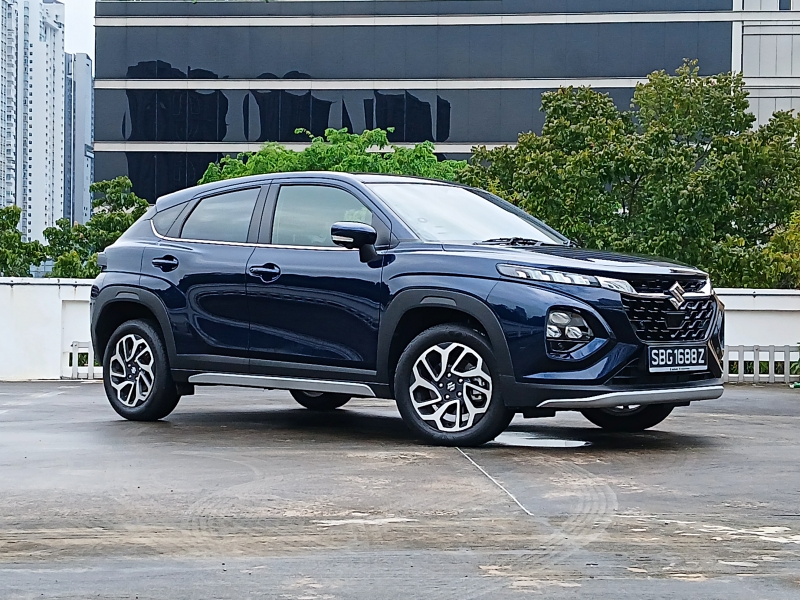
Interestingly though, the Fronx is actually smaller than the SX4, sitting in at just a smidgen under 4 metres in length, whereas the SX4 exceeds that 4 metre mark slightly. The other dimensions though, like the width, height and wheelbase, are fairly similar, so in some ways it mirrors the odd ‘small but tall’ stance that defined the SX4’s identity.
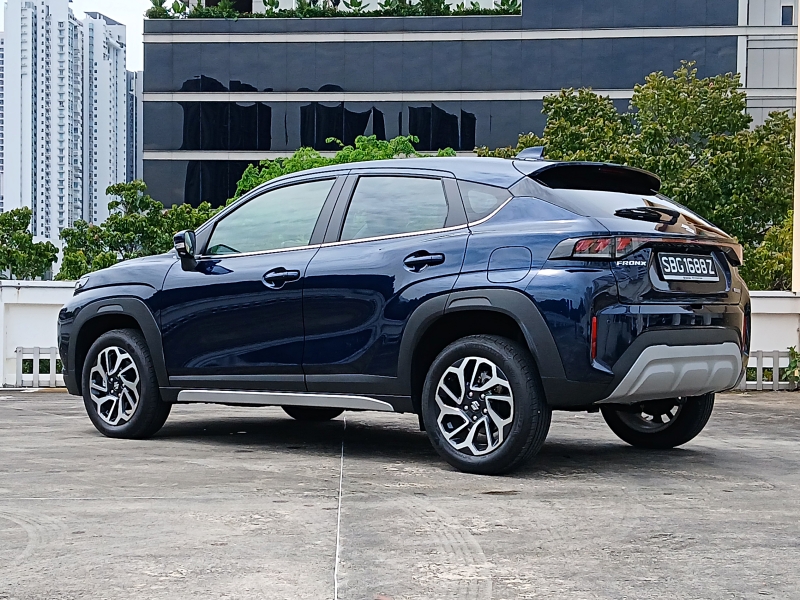
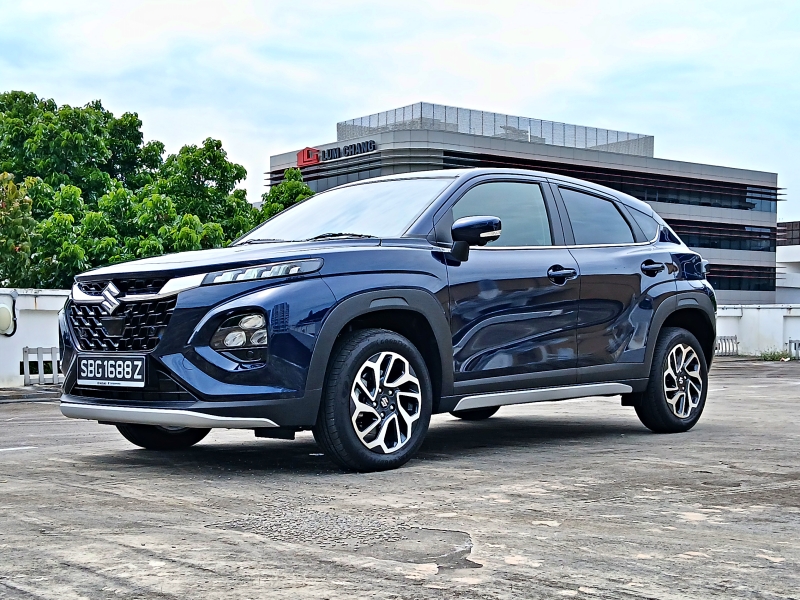
Suzuki has tried its best to give the Fronx a modern styling language, but truth be told, it looks like they are trying a bit too hard to be trendy. The oddly-shaped front grille is flanked by a pair of slim LED headlights, while the main headlights sit below them in a strange trapezoidal shape that feels at odds with the overall design theme.
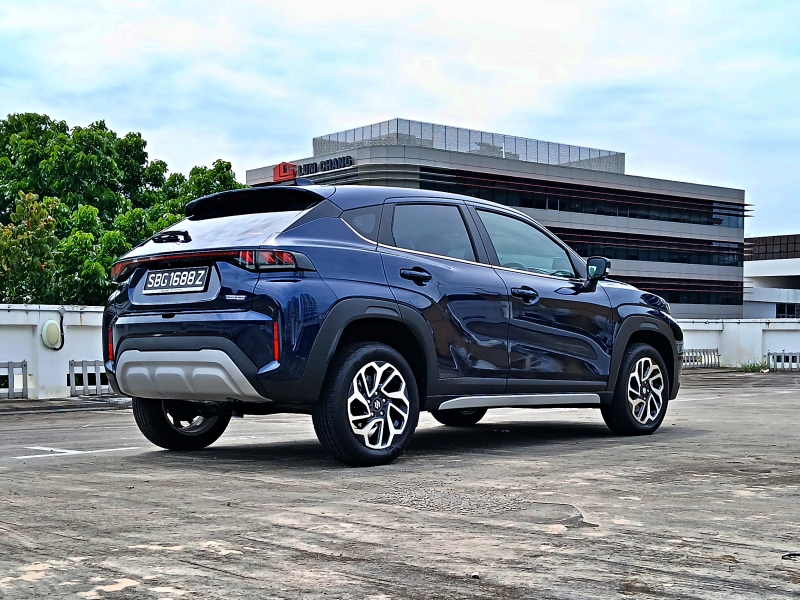
And then it tries to be rugged, with its raised ride height, black wheel arches and large skid plate at the lower rear bumper, supposedly to evoke an image of a rough and tumble SUV. But this is contrasted by the sloping roofline which is supposed to give it a coupe-like stance, but instead looks far too similar to one of its rivals, the Hyundai Kona.
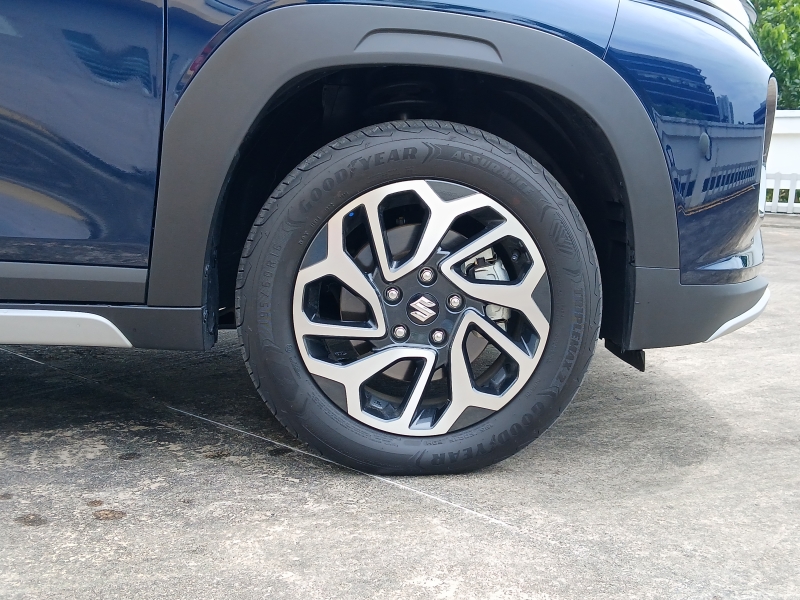
The styling cohesion feels a bit all over the place, with the Fronx simply trying too hard to be too many things, and yet achieving none of it well. Still, at least there is some semblance to the Suzuki identity, with the rear light bar that stretches across the width of the boot lid a clear link to its S-Cross sibling.
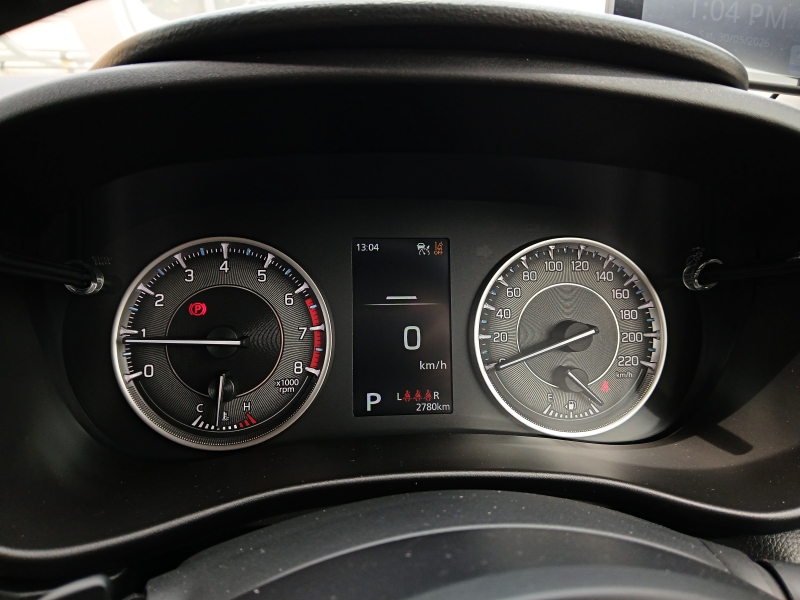
Things are much simpler when you step inside. A lot simpler in fact. You are greeted with an old school interior, with lots of hard plastics everywhere, a simple touchscreen, analogue driver instrumentation, physical switches, and a proper gear selector stick (none of those fancy digital buttons here).
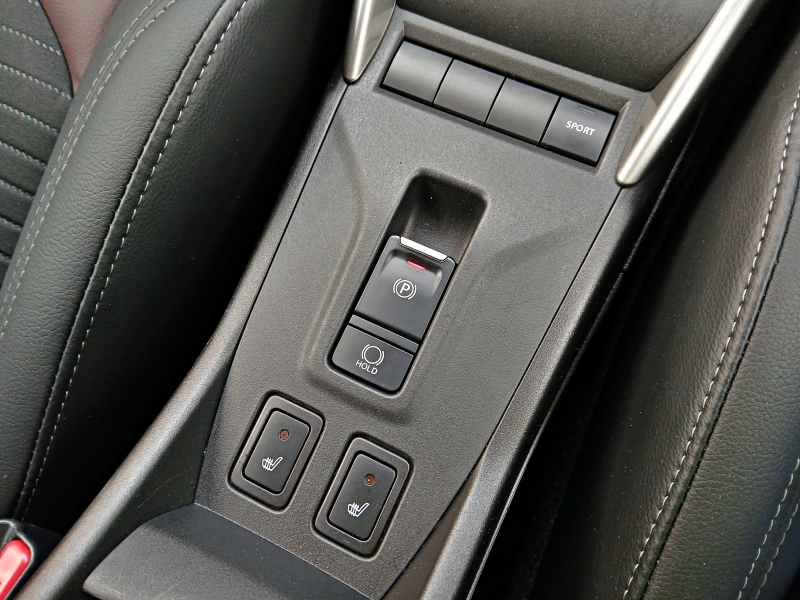
It feels like you’ve been transported back in time to a decade ago, and I was almost even expecting to find a traditional handbrake lever here. Alas it was not to be and the Fronx makes do with an electronic parking brake.
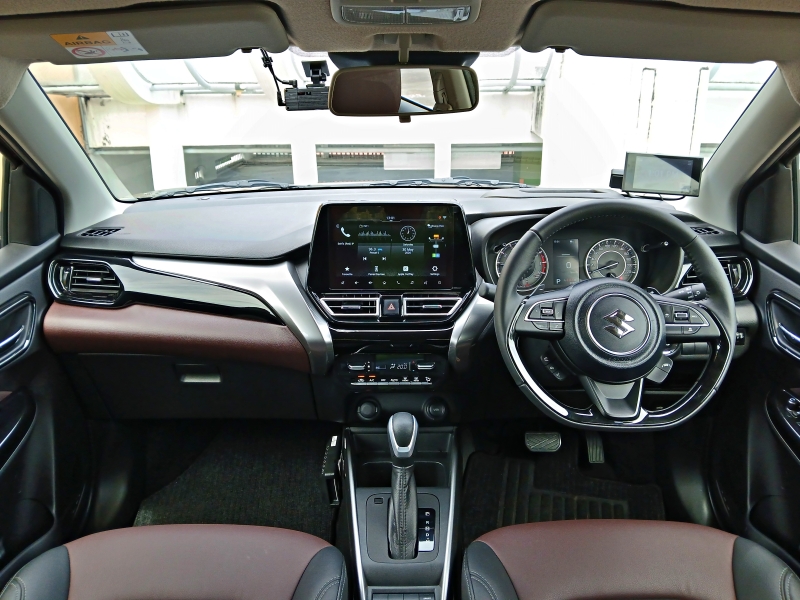
Despite the seemingly antiquated design though, Suzuki has apparently tried its hardest to festoon the Fronx with as many modern features as possible. So you get the standard advanced driver assistance systems (ADAS) like adaptive cruise control, collision warning and lane keeping assistance, and convenience features like wireless Apple CarPlay/Android Auto, heated seats (not particularly useful here) and a wireless mobile phone charger.
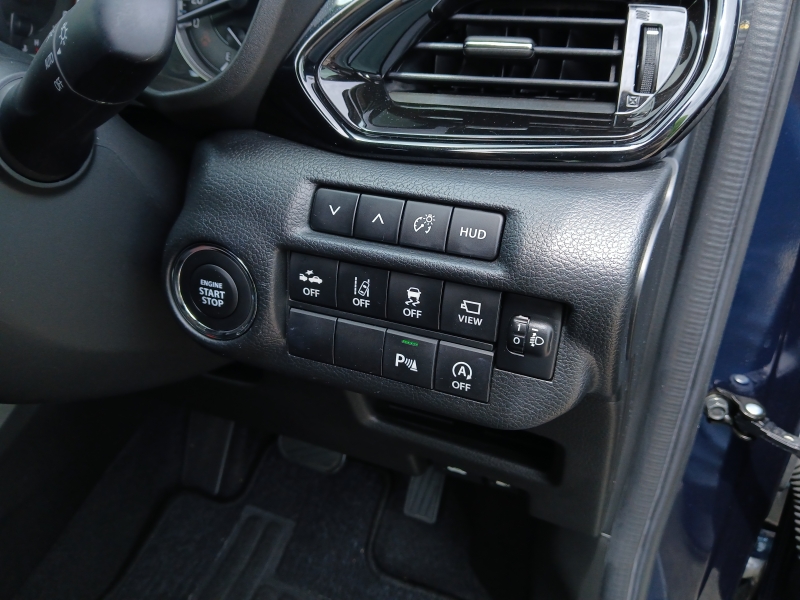
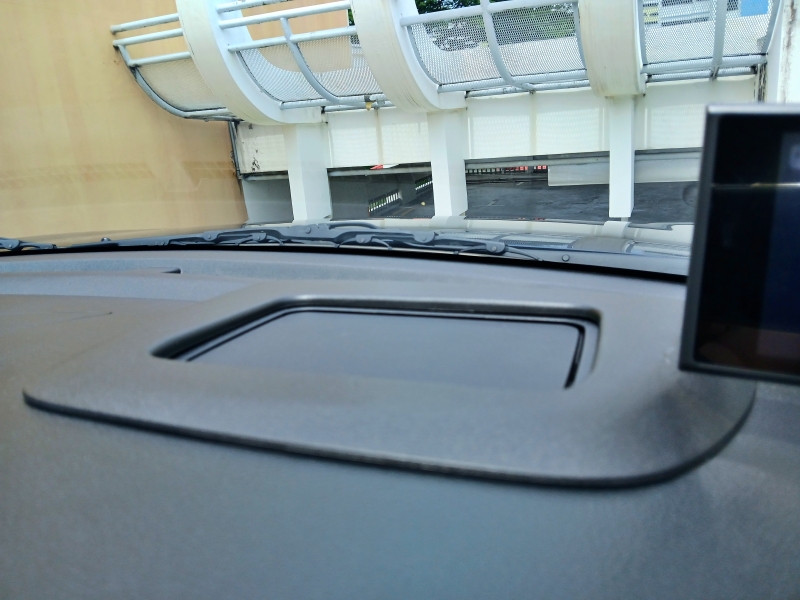
There is even a head-up display, although for some reason I couldn’t get it to work during my time with the car. It was a bit of a shame as I figured it would have been quite neat, but it’s more of an indulgence than anything though.
The presence of these fancy frills in the Fronx’s somewhat-dated looking interior feels a bit jarring, but it also adds a sense of novelty, as though someone has tried to retrofit as many new stuff to their 2010s-era car as possible. There’s even a USB-A port (just the single one though) to properly indulge you in a bit of retro nostalgia.
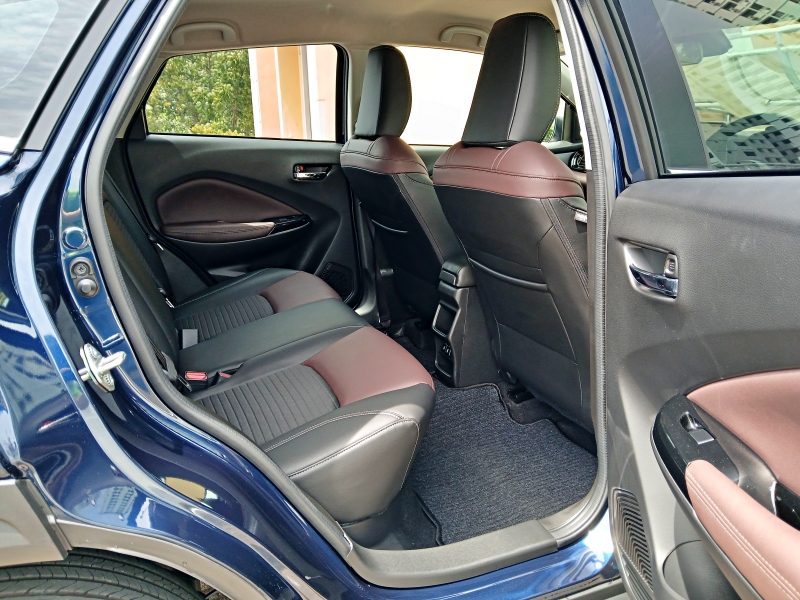
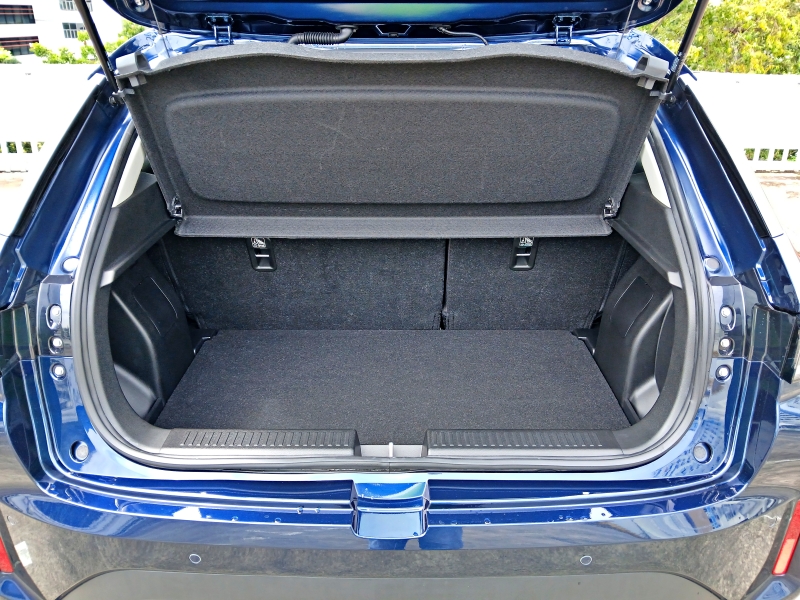
Being such a small car, space is clearly not the Fronx’s strong suit. Two adults can reasonably fit in the back if they’re not too tall, but it is a bit of a squeeze. The boot capacity is not the largest too, with a mere 304 litres available, expandable to 605 litres if you knock the rear seats down. Probably not the most practical car to go on huge shopping trips then.
There’s more of that old school goodness in the Fronx’s drivetrain too. Powering the car is a 1.5-litre four-cylinder petrol engine that puts out a modest 102bhp and 132Nm of torque, or about the same as my own SX4 from over a decade ago. ‘Modest’ is really being a kind descriptor here, because that’s really an indication of where this car is at.
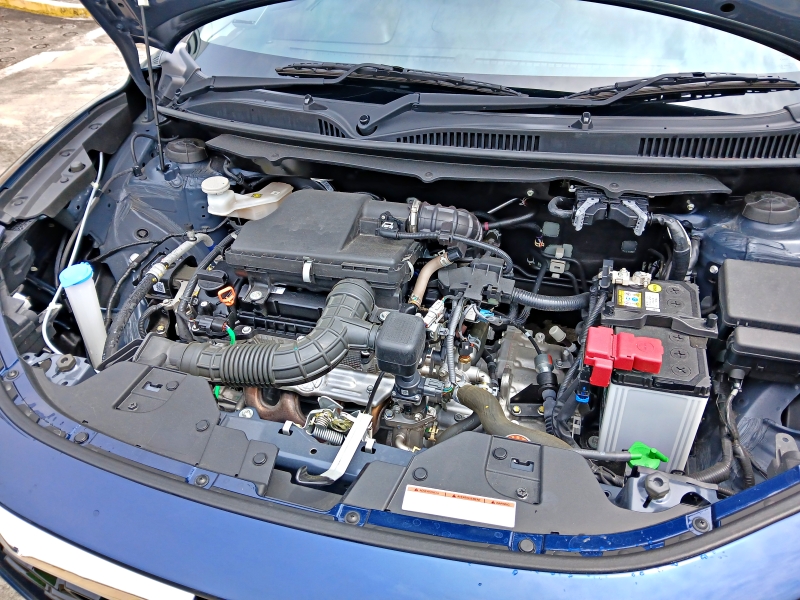
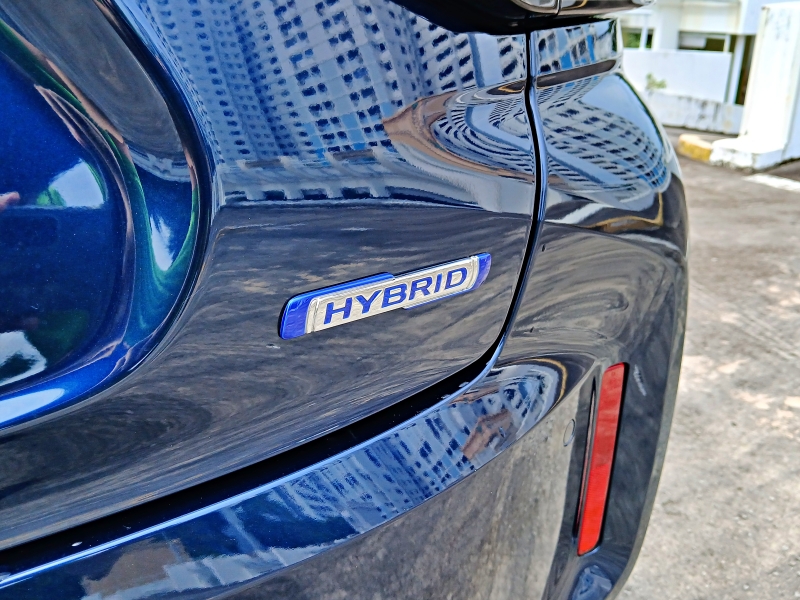
And despite the ‘Hybrid’ badges plastered all over the car, the Fronx in fact is not really a full hybrid. Instead, it only has a mild hybrid setup featuring a 12-volt integrated starter generator (ISG) to assist with things a little, mainly with initial acceleration off the line.
Not that it is of much assistance really, because this is not a car that will set your pulses racing, despite its relatively light weight of just slightly over a ton. It does feel a tad more responsive if you push the Sport mode button, but in truth it doesn’t actually make things that much better.
The six-speed automatic gearbox doesn’t help matters too, taking its own sweet time to decide when to upshift. Meanwhile, you end up revving the nuts off the engine as it tries to struggle up an incline, before the gearbox finally decides to do its job.
If you lay off the throttle though, the car does offer reasonably good fuel economy. The official figure of 15.4km/L can be rather easily bettered with some gentle driving, and achieving upwards of 16km/L is not an impossible task to be fair.
The rest of the driving experience is more of a mixed bag. There is that sense of nimbleness thanks to its small size and light weight, and the car is generally easy to manoeuvre in tight spaces. But the steering is heavy yet lifeless, almost like one of those poorly-made budget cars in the era of pre-power steering.
Likewise, the ride quality can best be described as ordinary. It crashes noticeably over rough and bumpy surfaces, although that’s pretty much par for the course for most of the small crossover SUVs out there. It fares a bit better on highway surfaces, but as a whole it really is nothing to shout about.
But probably the Fronx’s biggest flaw though is not any of its inherent characteristics. Rather, because of its somewhat outdated drivetrain, the car incurs a hefty $22,500 surcharge under the revised Vehicular Emissions Scheme (VES) that kicked in this year. This means that the Fronx retails for a rather uncompetitive price compared to many of the cleaner full electric and hybrid models out there.
Considering what you’re getting with the Fronx, it can be a bit tough to swallow. Make no mistake, the Fronx would have made for a perfectly competent car, in 2016 perhaps. But in today’s era, Suzuki’s unintentional homage to the SX4 would find the going tough when put up against what’s out there today.