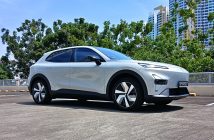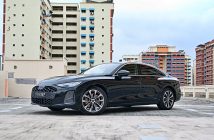
When Chinese cars first emerged onto the scene, there was a clear differentiation between them and the traditional established European brands. The Chinese traded first on value, and then subsequently on tech, whereas the Europeans mainly banked on perceived quality and heritage.
But in a fast evolving world, the lines are getting increasingly blurred between borders. Chinese carmakers are no longer mere upstarts, and are now serious players to be reckoned with. And instead of fighting them head on, the Europeans are now turning toward collaboration with their Chinese counterparts in order to remain relevant in this new world order.
One of the more interesting cases of such a development is the story of Leapmotor. Originally founded in 2015 by two Chinese partners who worked in cybersecurity, the company soon drew the attention of Stellantis, the conglomerate that controls a whole clutch of European and American car brands such as Peugeot, Citroen, Opel, Alfa Romeo, Fiat, Maserati and Jeep, among others.
Stellantis was impressed enough to acquire a 20 per cent stake in the company in 2023, with part of the strategy being to leverage on Leapmotor’s advanced technological knowhow to bolster Stellantis’ own faltering product lineup.
In exchange, Leapmotor’s inclusion into the Stellantis family helped it access a whole new market in Europe for export sales, and gave it a head start over fellow Chinese brands by capitalising on the group’s existing infrastructure such as dealership networks, manufacturing plants and R&D facilities.
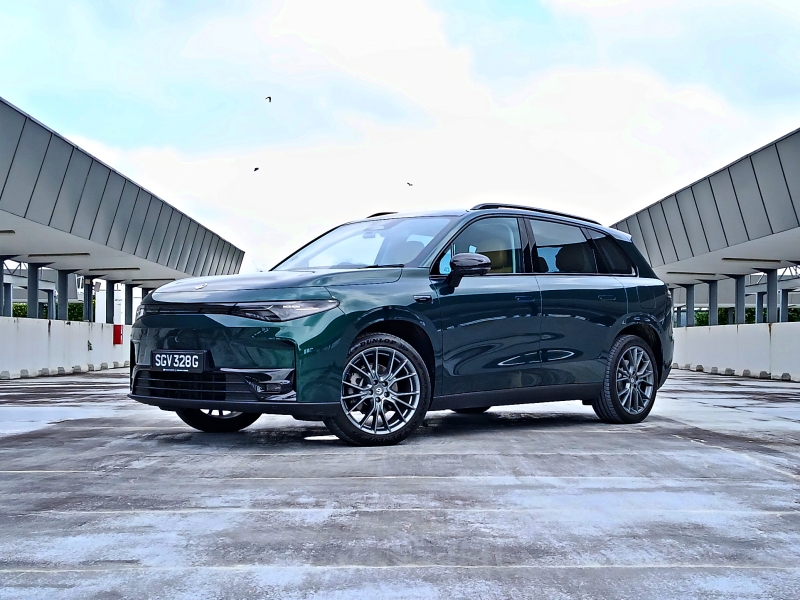
The Leapmotor C10 is the first model from the brand that was designed to be sold in global markets, and it has now made its way to Singapore. What does this Chinese-European electric crossover has to offer though to help it stand out from the rest in this highly competitive segment?
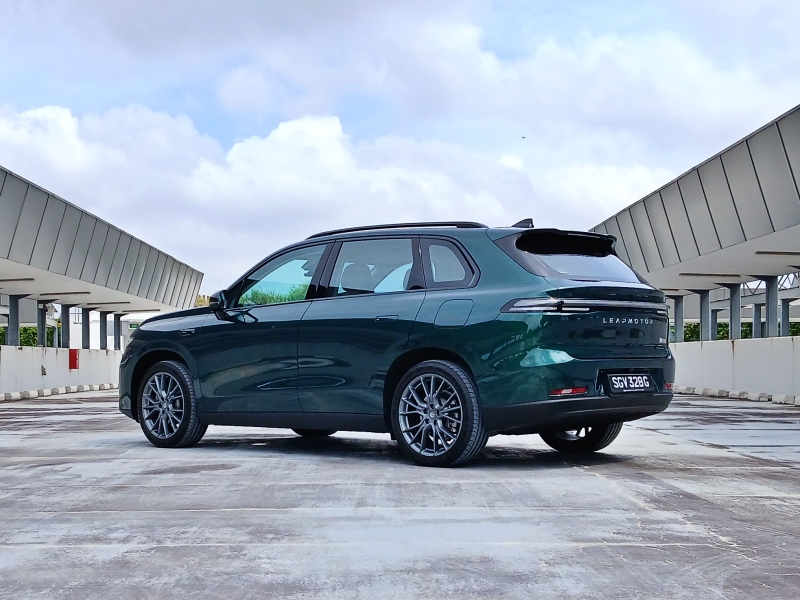
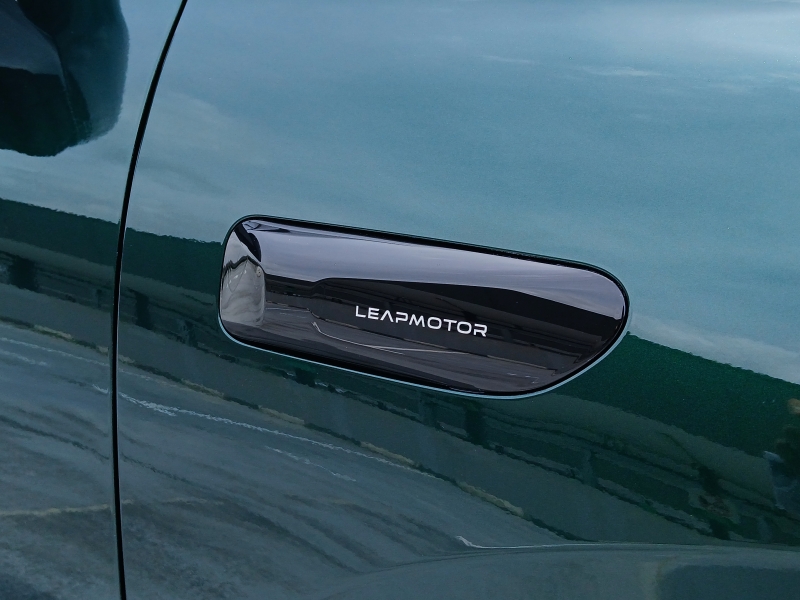
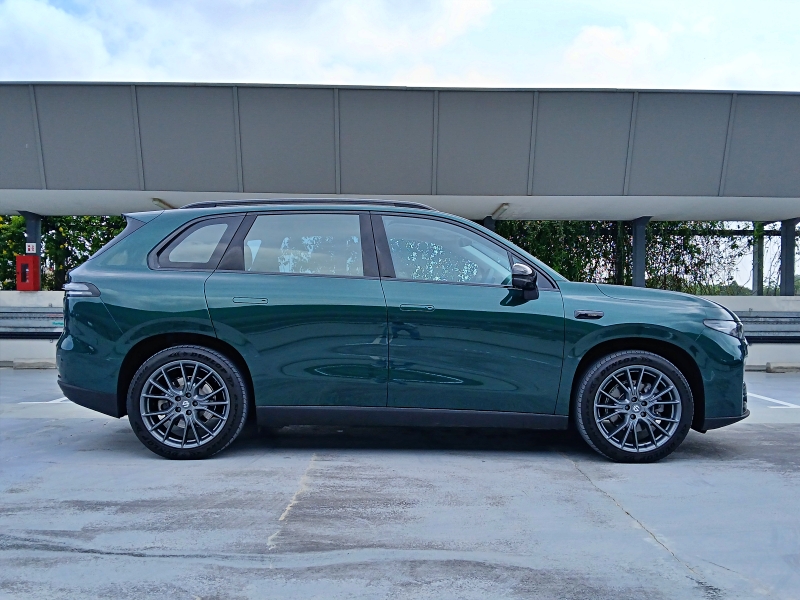
At first glance, the C10 is as nondescript as they come. The design is mostly derivative, with the only mildly interesting bits being slim headlight bar up front, and the Leapmotor lettering across the rear that emphasises to others what car you’re driving. Other than that, the C10 simply blends in with the crowd anonymously.
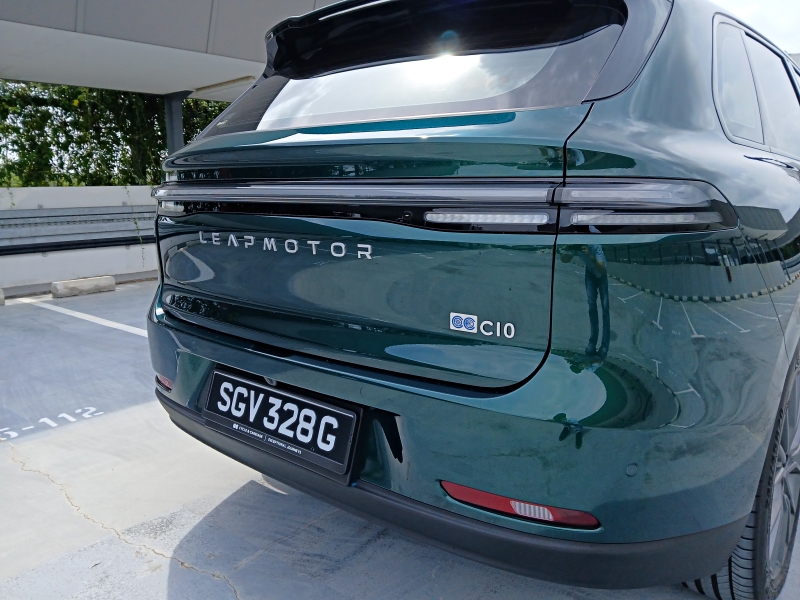
However, the understated styling does mask the car’s dimensions, and the C10 actually boasts one of the longest wheelbases in this category, at 2,825mm long. The result is extremely generous legroom for rear passengers, something that Leapmotor is keen to push as one of the car’s key selling points.
Space is definitely the C10’s strong point, and occupants will have plenty of room to stretch out in the back. There is also a good amount of headroom thanks to the high roof line, while the panoramic sunroof further accentuates the sensation of space by letting in plenty of natural light into the cabin.

Storage for items though is slightly less impressive, with the C10 featuring a boot capacity of 435 litres. It’s decent enough for everyday use, but it’s not quite the most cavernous in its class. If you need more space however, you can fold down the rear seats to increase the capacity to 1,410 litres, while there’s also a 32-litre frunk up front for smaller loose items.

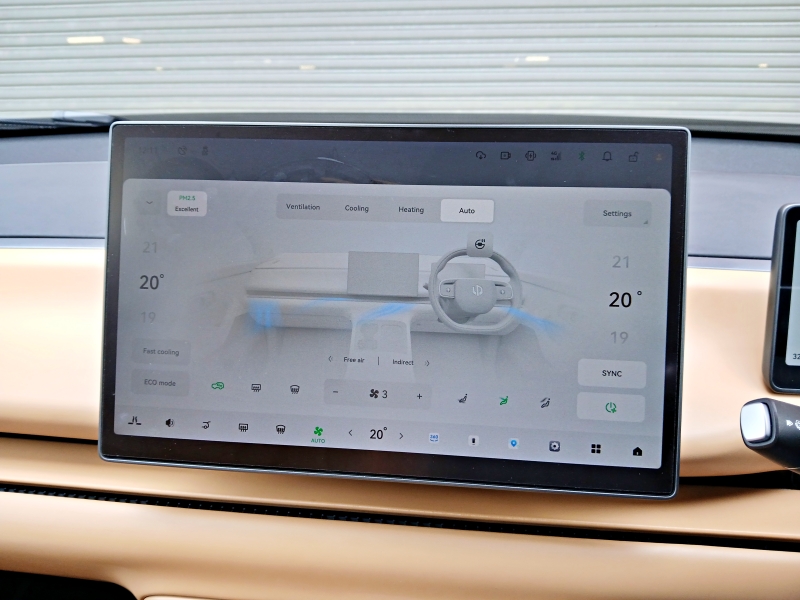
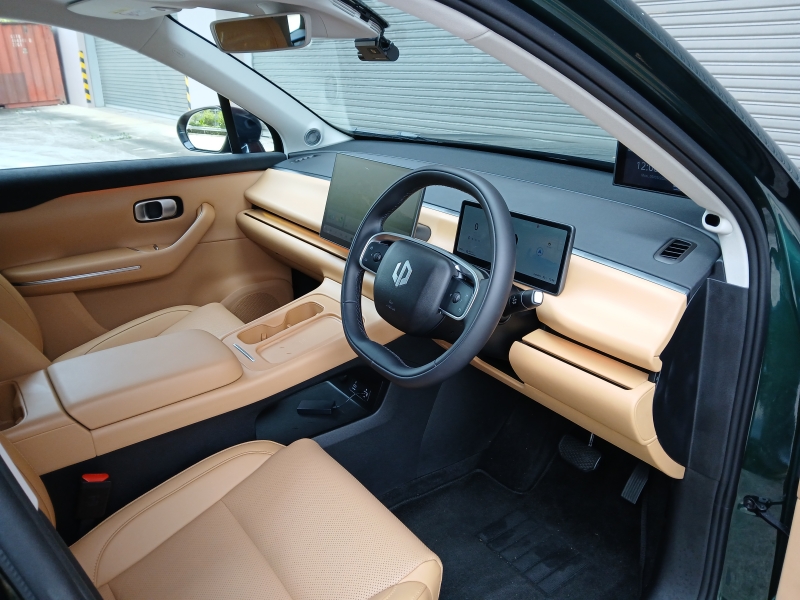
Like many Chinese cars, the C10 opts for a minimalist approach for the dashboard layout. You get a 14.6-inch touchscreen where most of the controls are accessed, and barely any physical switches in sight. Whatever buttons that happen to be present seem to be arranged in a hodgepodge fashion, such as the door unlock button on the steering wheel, and a random customisable button on the roof.

The touchscreen-focused layout also leads to some frustration, with the user interface not exactly the most intuitive to operate, and the software suffering from noticeable lag. The air con vents in particular are tricky to adjust, while the absence of Apple CarPlay and Android Auto connectivity due to licensing issues is a major drawback, though Leapmotor says it is working on resolving the issue.
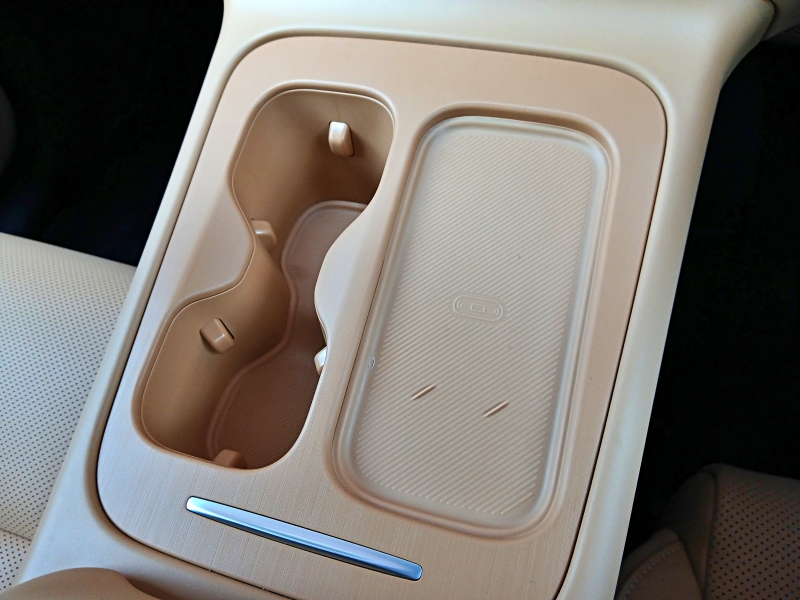
There’s a bit more bizarreness too, with the C10 requiring you to tap its keycard on the driver’s door mirror to unlock the car if you’re not using the brand’s smartphone app. You then have to place the card on the centre console tray in order for the car to start. While it’s a minor procedure that most will probably get used to quickly, it still feels a tad peculiar and overzealous.
That said, build quality in the Leapmotor does seem a slight notch above many of its fellow Chinese rivals. Whether that is down to any Stellantis influence is not exactly clear, but the use of the child-friendly Oeko-Tex material for the upholstery, for instance, is a nice touch, offering an added sense of reassurance for young families.
Similarly, the C10’s driving experience leans more towards the safe side, with a bias towards comfort instead of driving engagement. The ride quality is relatively well-sorted for the most part, only getting disturbed over harsher bumps. There is a touch of firmness that is typical of most SUVs, and there’s nothing out of the ordinary here in the Leapmotor.
Likewise, the car corners safely with little drama, and body roll is well-controlled, but the steering is numb and lifeless, and it doesn’t exactly excite the senses. It’s a car that does what it is expected of it, but in a rather unmemorable fashion.
Arguably the main pain point though pertains to the brakes, which feel somewhat inconsistent in its application. On initial depression it feels fairly regular and consistent, but then you get a sudden hit of the full braking force, catching you out unaware with a rude jolt. It could perhaps be an isolated issue afflicting the test car, but it certainly is something that deserves to be looked at.

As a Category A-eligible EV with 134bhp on tap, the C10’s performance is nothing to shout about. 320Nm of torque means that it builds up speed upon acceleration decently enough, but the power tapers off once you hit the legal speed limit, a characteristic that’s common across many of the power-adjusted Cat A EVs in the market.

Likewise, the claimed power consumption figure of 18.8kWh/100km is just about average, not exactly spectacular but not terrible either. Range is quoted at around 420km on a full charge, which is just about right for an urban electric SUV like this.
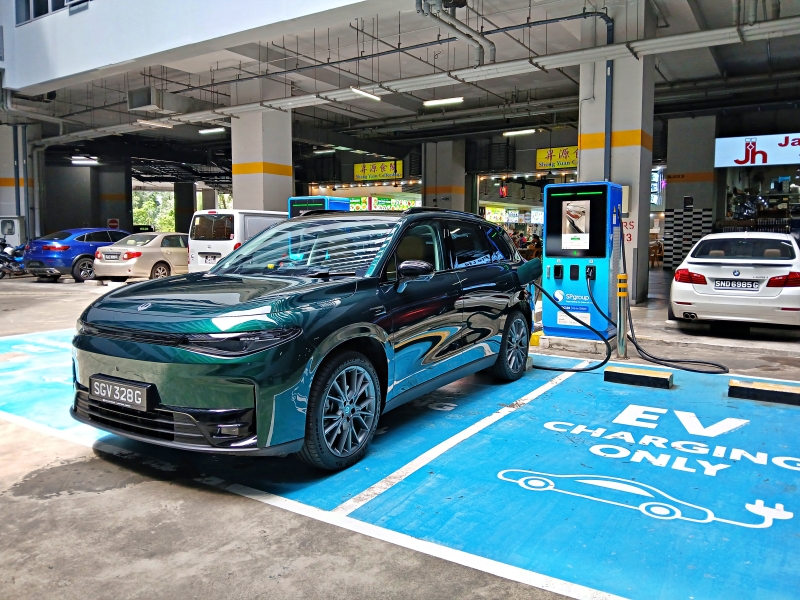
At just under $180,000 with COE, the Leapmotor C10 just about hits the mark as a family-friendly SUV. Any European input from Stellantis seems minimal at best, for the C10 still does come across as very Chinese in its overall philosophy. But that’s not necessarily a bad thing, because the Europeans have as much to learn from the Chinese as it is the other way round.