
Electric vehicles (EVs) have seen a massive growth in popularity in Singapore over the past couple of years, aided in part by generous tax rebates offered by the government to encourage their take-up.
BYD has certainly been a major driver in the adoption of EVs, with their attractively-priced electric cars that have propelled the brand onto the top of the sales charts here.
But not everybody is ready for the EV lifestyle as yet, with some still having reservations about issues like range and charging. For those who are still on the fence about EVs, BYD has now introduced its first plug-in hybrid electric vehicle (PHEV) for Singapore, the Sealion 6.

The Sealion 6 is supposed to be a major game-changer for BYD in Singapore, as it is meant to serve as a stepping stone for those who want to embrace the BYD experience but are still not quite prepared to make the leap into full EVs.
The brand has been wise to offer its first PHEV here as a mid-sized SUV, similar in size to the fully-electric Sealion 7 which has been one of BYD’s best-selling models in Singapore in 2025, and the association with the popular Sealion 7 will hopefully bolster the Sealion 6’s chances of success.
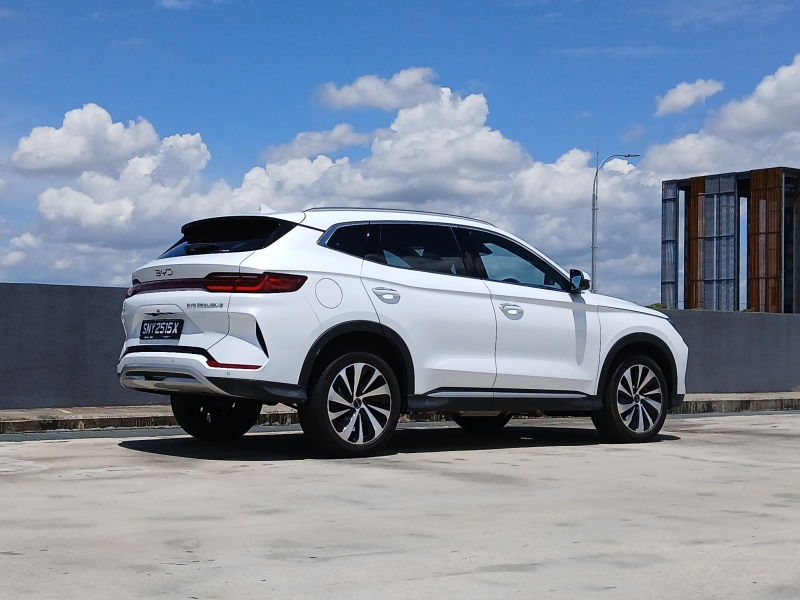
Both cars have fairly similar styling, although the Sealion 6 looks comparatively a bit more conservative than the sharp-looking Sealion 7. It’s not entirely surprising, as the Sealion 6 has actually been on sale in China since 2020 as the BYD Song Plus, whilst the Sealion 7 is a new model that was launched in 2024.
Nevertheless, the Sealion 6 does cut a relatively handsome stance, with its imposing lower front grille, and slim headlights and taillights. It’s not going to stand out from the crowd, but it’s not unattractive either.

It doesn’t look like it in pictures, but the car is in fact deceptively large. It measures 4,775mm long and 1,890mm wide, which is slightly smaller than the Sealion 7, but still sizeable enough to make you be more cautious when you park the car in some of Singapore’s smaller carparks.

The interior is typical BYD, with the large rotating screen dominating a fairly minimalist cabin. But compared to the Sealion 7, the Sealion 6’s status as a lesser product is clearly evident. The materials don’t feel quite as plush, and there aren’t quite as many premium features on offer.
You still get stuff like front ventilated seats and a panoramic sunroof, but the absence of memory seats is pretty glaring. There’s no head-up display too, although its omission here is of probably slightly less importance.
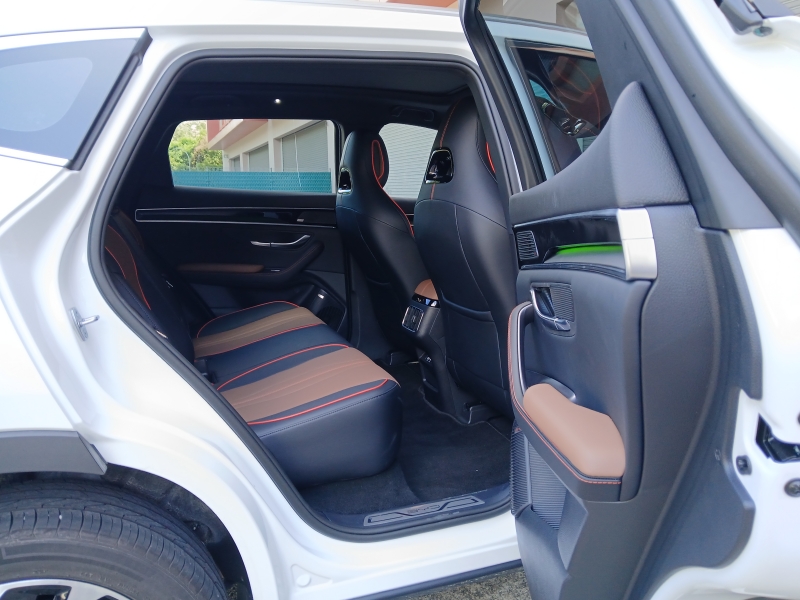
The car is actually slightly taller than the Sealion 7, probably in part due to the latter’s sloping roofline compared to the Sealion 6’s more regular shape. As such, you get plenty of headroom in the back, along with generous legroom for rear passengers to stretch out.
Boot space stands at 425 litres, slightly less than the Sealion 7’s 500 litres, although still usefully large enough to accommodate an average family’s daily necessities. If you need more space, the rear seats fold down to offer up to 1,400 litres of capacity.

On the go, the Sealion 6 proves to be adequately competent, though not exactly spectacular. As a hybrid, the car features a 1.5-litre petrol engine combined with an electric motor, for a combined power output of 218hp and 300Nm of torque.
It’s reasonable enough for daily use, but it does struggle a bit when you push it hard. The car performs best when cruising on the highway, with its smooth and effective power delivery. However, asking it to execute slightly more onerous tasks, like climbing up Genting Highlands, would illicit protests from the drivetrain, as it implores you to back off and take it easy.
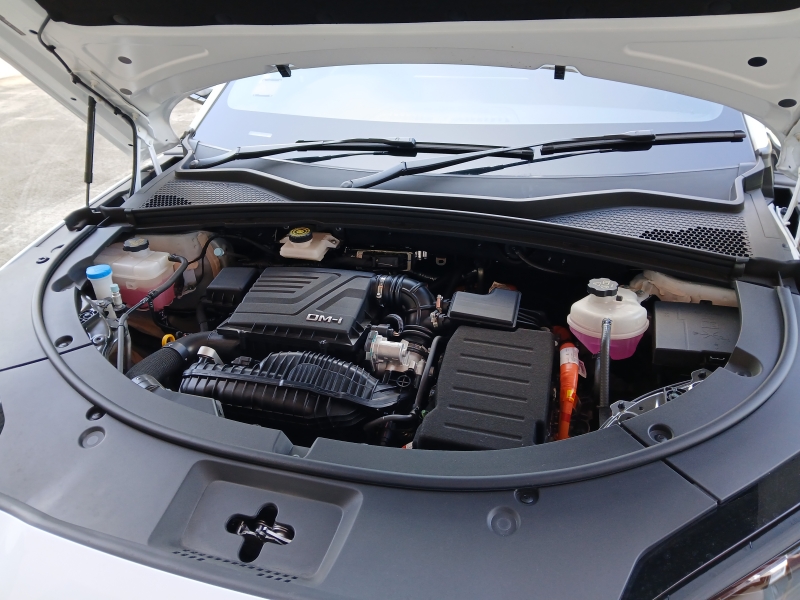
Likewise, the car’s handling is more of the stable and sure-footed variety. It corners decently, with its lightly-weighted steering making it easy to manoeuvre in the city. But it’s not particularly engaging, which is to be expected really given its nature as a family-oriented sports utility vehicle (SUV).

In return, the Sealion 6 offers a ride quality that is well-controlled under most situations, only getting slightly ruffled when hitting rough bumps. Overall refinement is excellent, with the Sealion 6 cutting out road noise extremely well even at high speed.
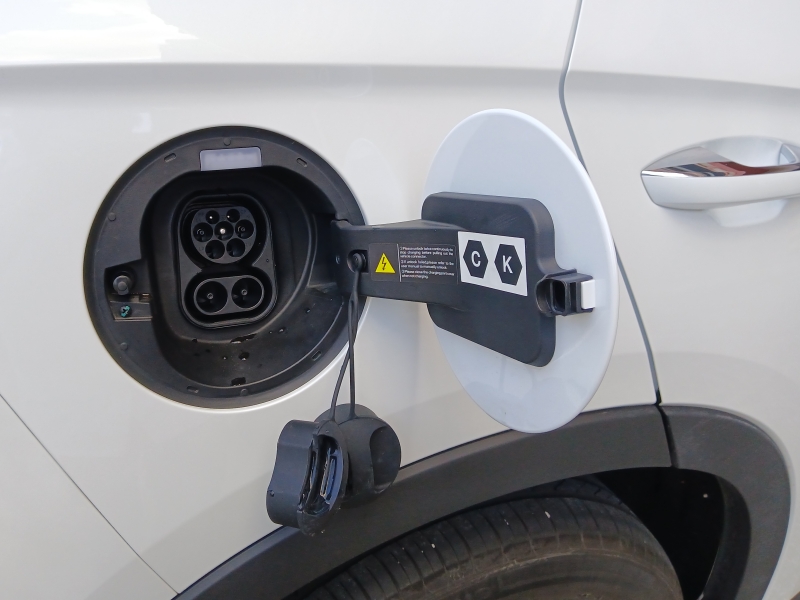
Of course, the key question about a PHEV like the Sealion 6 is how does it fare in terms of range and efficiency. BYD says that the car can travel around 80km or so in pure electric mode, before the petrol engine kicks in. Total claimed range combined is rated at 1,100km, which sounds impressive, but of course, actual mileage may vary depending on your driving style and prevailing road conditions.
Still, that should be good enough for most Singaporeans, with the electric range capable of covering their daily commute, and the petrol engine taking care of road trips to Malaysia.
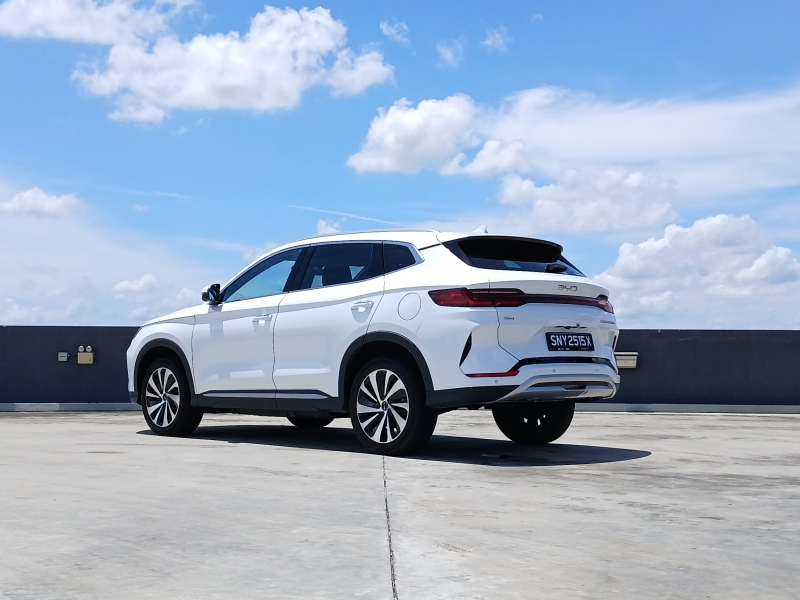
It would be a perfectly fine car for the job in any case, with its impressive refinement and spacious interior. Its asking price of S$207,388 with COE is fairly reasonable too, despite not attracting the generous rebates that its electric Sealion 7 sibling enjoys.
If you’re itching to jump onto the BYD bandwagon, but still aren’t quite ready to commit to full EV experience yet, the Sealion 6 serves as the perfect bridge to get you started on your electrification journey, without having to worry about range or charging.