The Toyota Vios was once a familiar sight in Singapore for much of the past two decades. Its status as a basic budget sedan made it a favourite among beginner drivers, or those looking for a fuss-free runabout that offered little more than an engine, four wheels, seating for five, and Toyota’s famed reliability.
But with COE prices spiking to all time highs in recent years, the Vios’s value proposition started to erode quickly. As such, local distributor Borneo Motors took the car off sale for the past three years as its regular customer base began to get priced out, and the car buying population gravitated towards higher value offerings.
Emissions had some part to do for its absence too. The previous Vios’s antiquated drivetrain would have attracted scrutiny from the authorities, and presumably be inflicted with emissions-related surcharges that would have further blunted the car’s price competitiveness. It proved increasingly harder to justify the Vios’s presence in Singapore, especially in a market that is rapidly pivoting towards cleaner energy options.
Now though, Toyota seems to have come up with a solution, by giving the Vios a hybrid drivetrain. It’s a first for the nameplate, and will certainly go a long way towards enhancing its already-famed fuel efficiency, making it a much more attractive proposition than before.
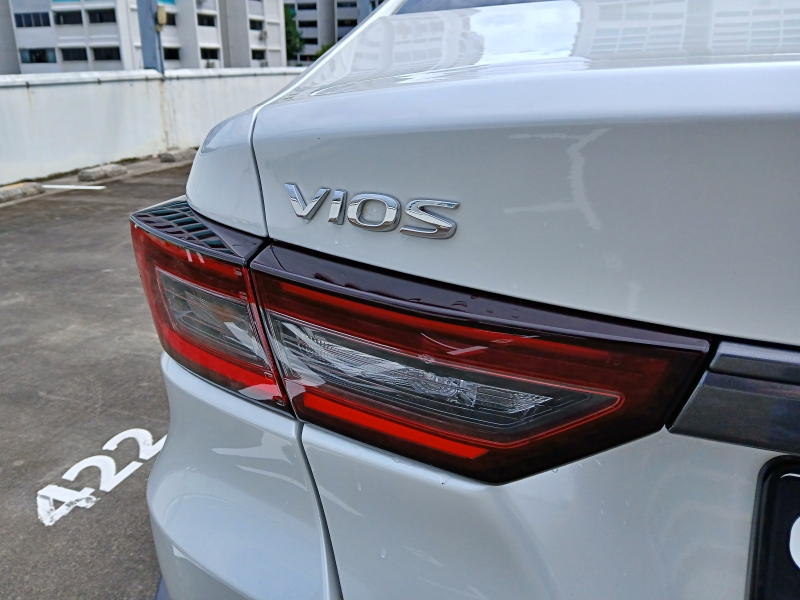
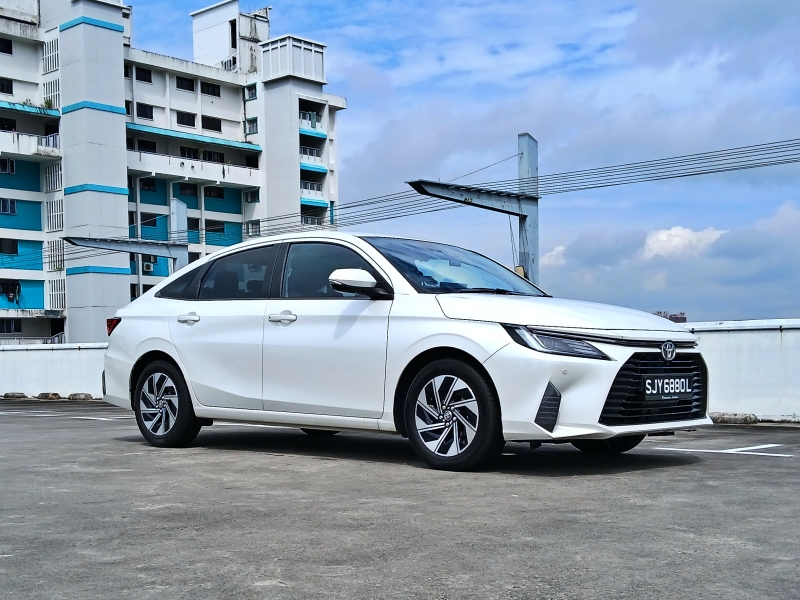
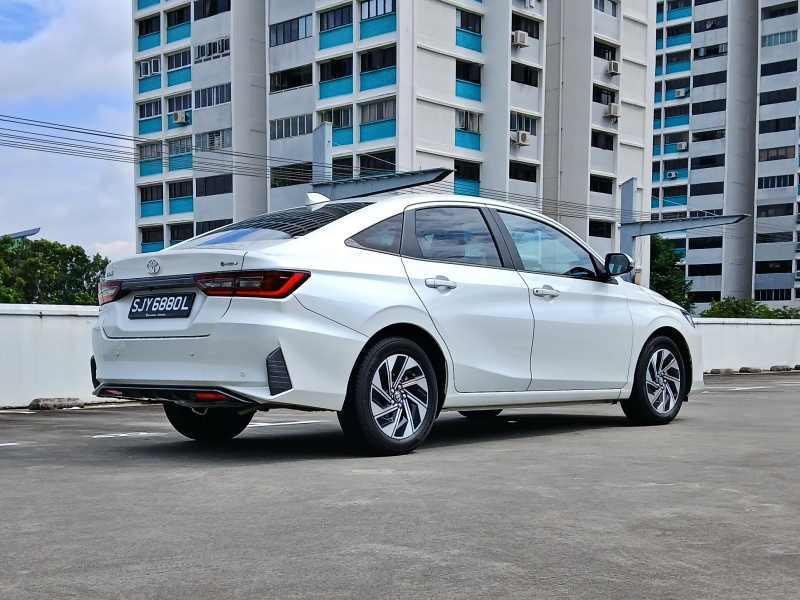
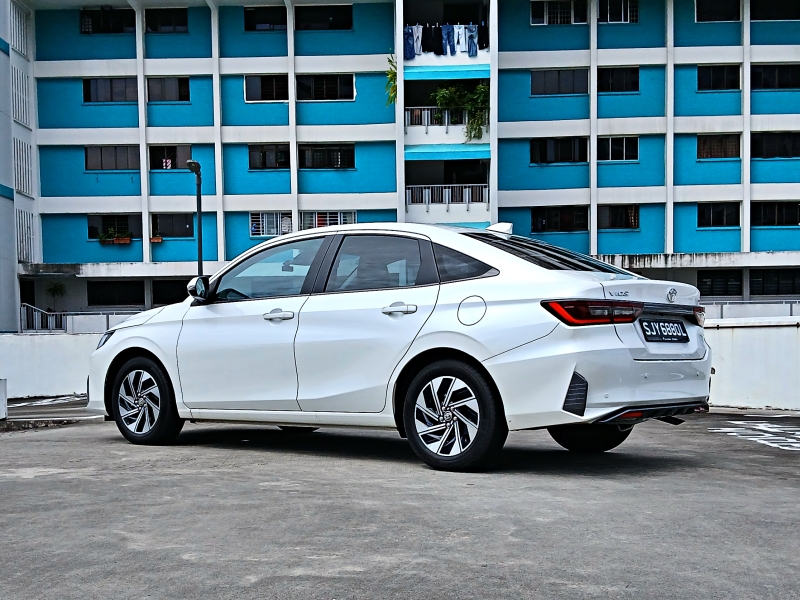
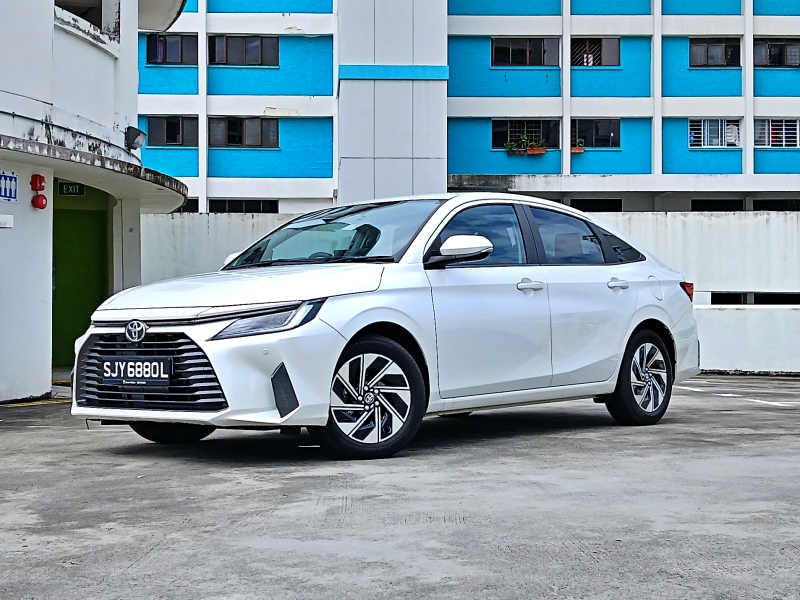
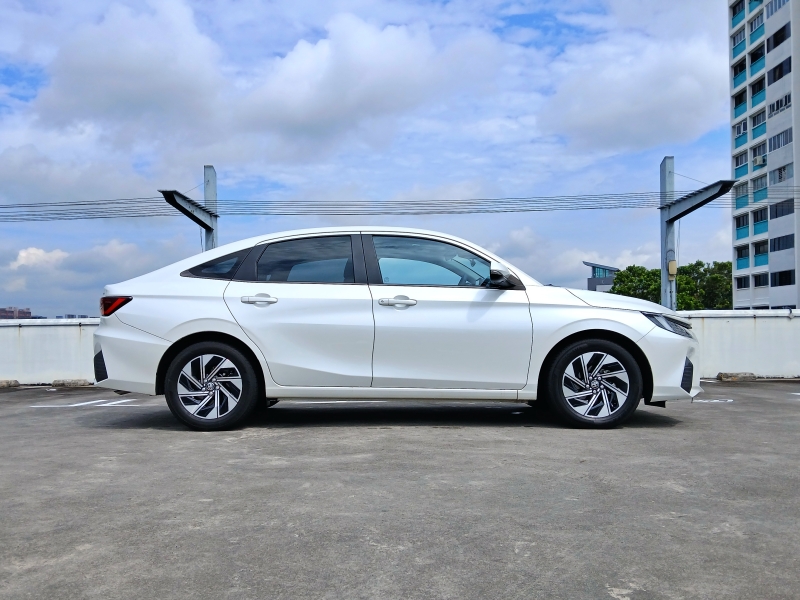
This current Vios you see here is actually a facelifted version of the fourth-generation, which was first launched in our neighbouring countries in 2022. The styling is clean-cut and straightforward, as you’d expect from a car of its ilk.
There are some attempts at giving the car some design flourishes, like the sharp-looking front end and the pseudo-sloping roofline, but on the whole, the Vios is a conservative looker that blends in with the crowd well.
The interior though feels like a massive step up from any of its predecessors. Those used to the Vios’s cheap and cut-price cabin of years past would be in for a pleasant surprise, because the new car offers a level of quality that is of many magnitudes better than anything that has come before it.
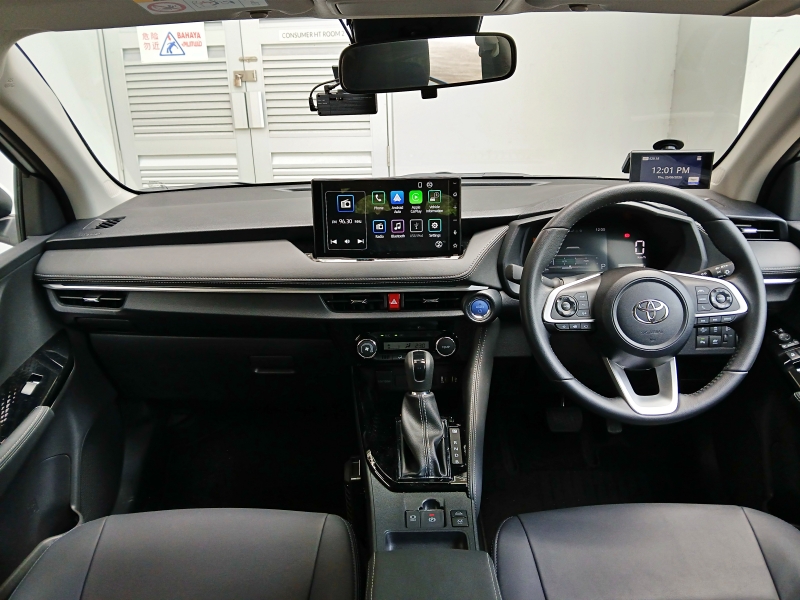
Sure, there are still some hardy plastics, as is expected from a car in this budget class, but there are still some nice touches, like the changeable ambient lighting that adds a tinge of atmosphere to the interior, as well as lots of cupholders everywhere, including one on the driver’s side that sits right in front of the air con vent, perfect for keeping your drinks chilled.
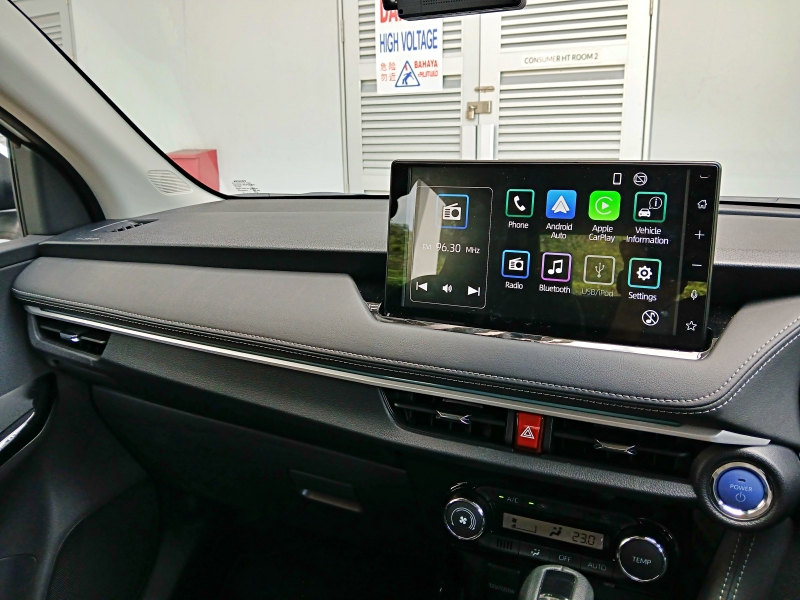
Crucially though, Toyota has equipped the Vios with a bunch of modern features that brings it up to date with newer offerings. There’s wireless Apple CarPlay/Android Auto connectivity, a wireless charging pad along with several USB ports, a 360-degree camera, and driver assistance systems like blind spot monitoring, collision warning and automatic emergency braking.
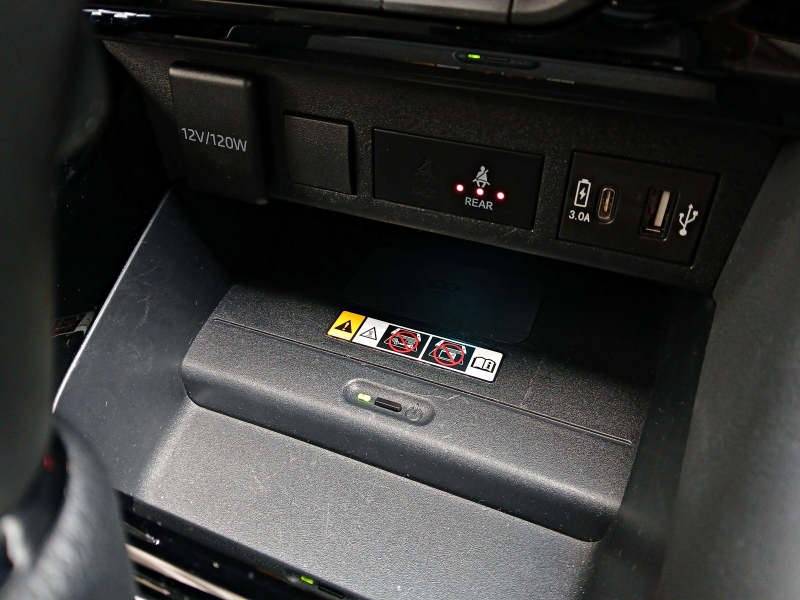
At the same time, much of the interior still feels fairly old school. The seats are adjusted manually, there are no automatic wipers, and the infotainment system feels somewhat rudimentary, which is not a completely bad thing as the interface is pretty idiot-proof to operate.
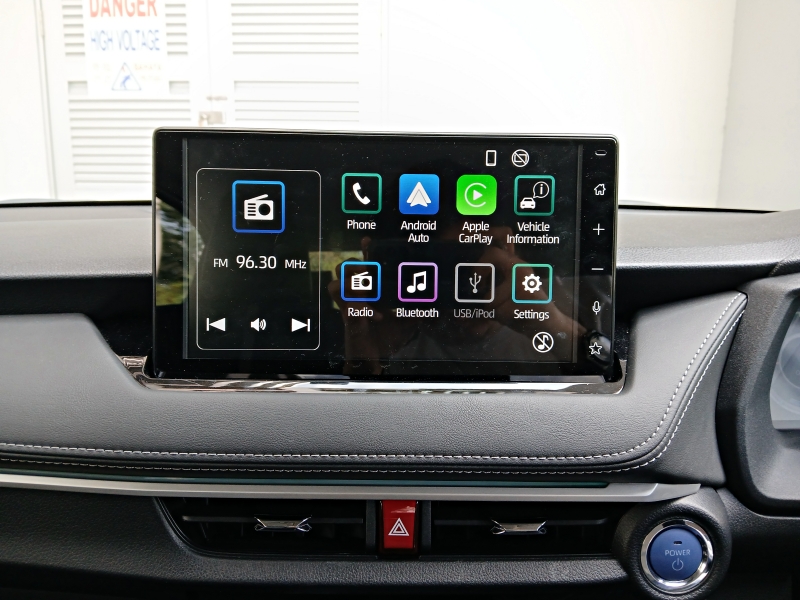
And of course, you get plenty of physical switches and buttons everywhere, a refreshing change from the touchscreen-focused setup of many EVs these days.
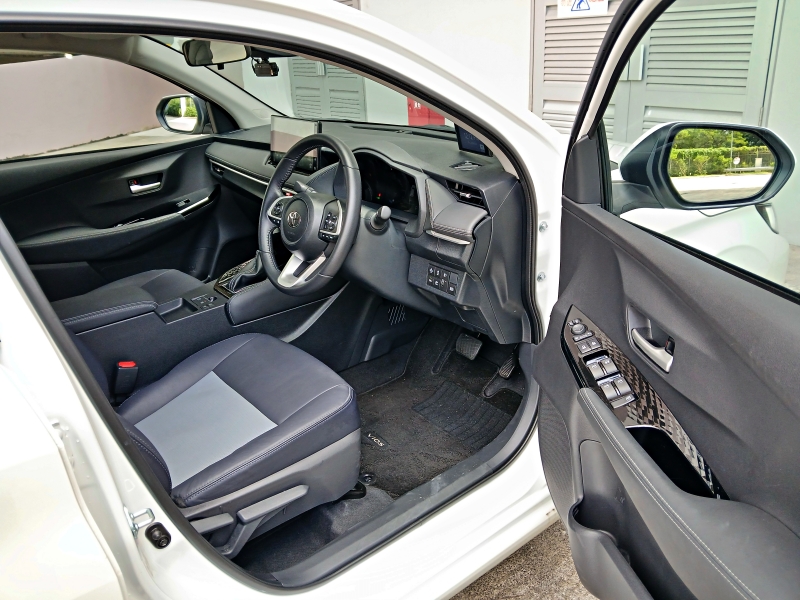
Surprisingly though, interior packaging proves to be a notable weak point. Space in the rear is a bit tight, and the low roofline means that headroom feels somewhat limited as well.
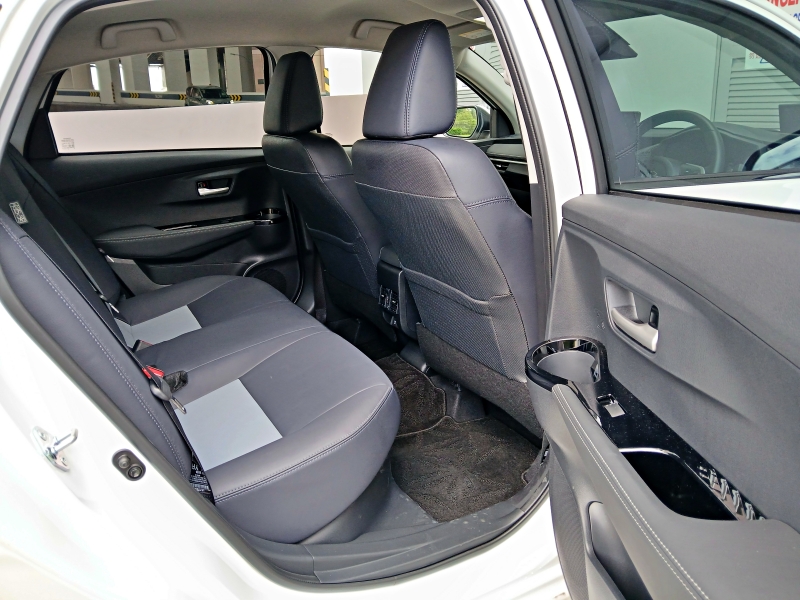
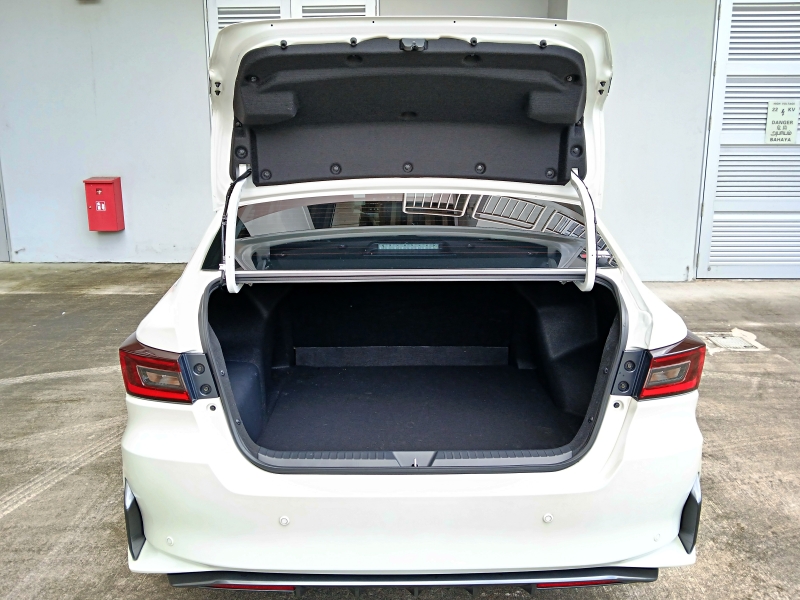
Things are a bit better for cargo however, with the Vios offering a fairly decent boot capacity of 460 litres. That said, the rear seats do not fold down, so that is really all you’ve got to accommodate your luggage.
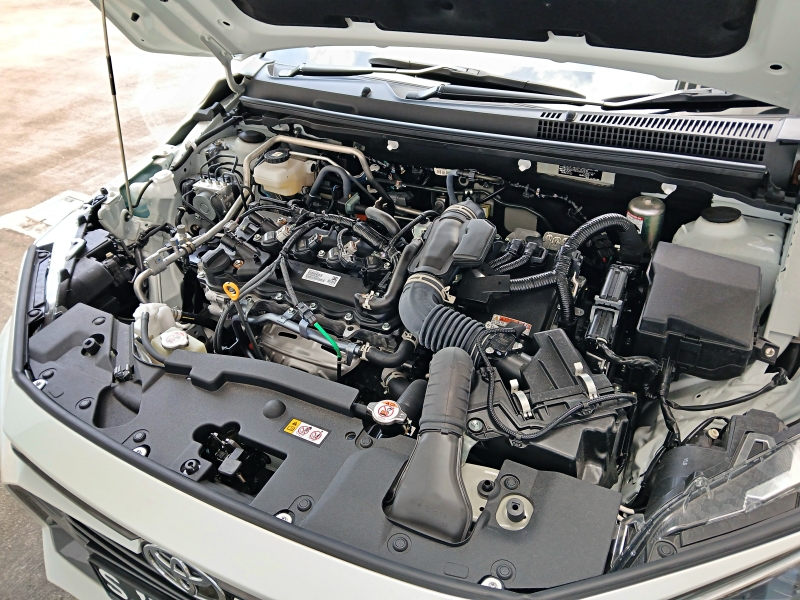
Equally limited is the car’s performance, with the Vios’s powertrain producing a modest 110bhp and 262Nm of torque. It’s not a car that will get you in any trouble with the authorities, but the hybrid system’s electric motor does give the car enough pep to keep up with traffic, at least on initial acceleration.
The 1.5-litre petrol engine cuts in when you need a bit more speed, but the transition could do with a tad more refinement. The unit is not exactly the smoothest or quietest out there, and it serves as a reminder of the Vios’s cut-price status.
Still, for a supposedly humdrum entry-level offering, the Vios proves to be rather neat to drive. The steering is light and easy to twirl, and the car corners nimbly, with decent body control and a fairly small turning circle of 4.8 metres that makes tight manoeuvres a cinch.
At the same time, the Vios delivers a fairly comfortable ride, tackling on most bumps well, although not quite at Lexus levels. Aside from the noticeably vocal engine, there’s barely any noise or disturbances making its way to the cabin even at highway speeds.
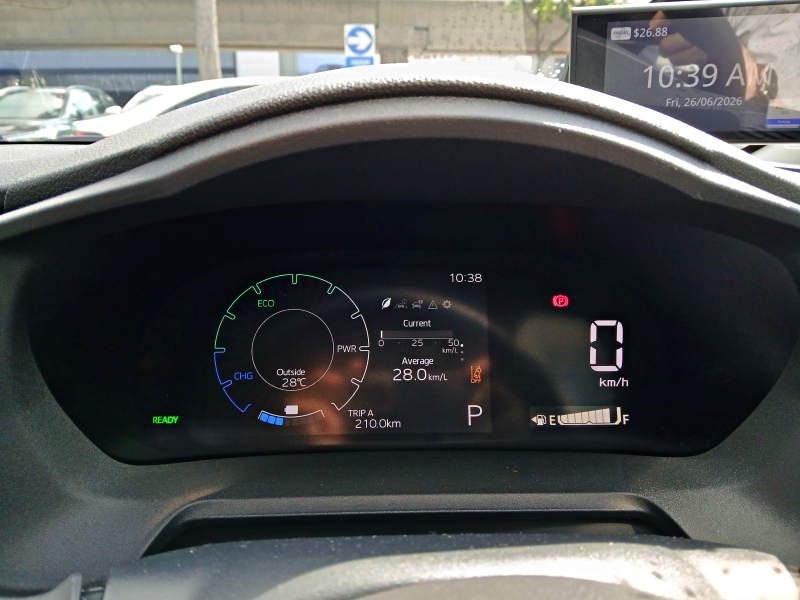
Of course, the ultimate test of the hybrid drivetrain is its efficiency, and the Vios absolutely aces this test with flying colours. Toyota quotes an official figure of 27km/L, but I managed to go one better over my three-day test drive, retuning an average of 28km/L after just over 200km of driving. Even if you’re particularly heavy-footed, crossing the 20km/L mark is a feat that’s easily achievable.
That alone would ordinarily vindicate Toyota’s decision to bring the Vios back to Singapore, but unfortunately, the current COE situation means that this car now comes with a retail price of over $180,000 with COE. At that level, there are a plethora of larger and more modern EVs available out there to choose from.
But if you are the type who would prefer to stick to something traditional, then the Vios could be something that’s worth your consideration.