
The best way to test a smartphone camera isn’t in a studio. Take it travelling.
That is exactly what I did with the vivo X300 FE. Over the course of my time with the phone, it followed me across three countries and three very different shooting environments: Athens in Greece for a shoot, Bali for my niece’s wedding, and Khao Lak in Thailand for a resort getaway.
Along the way, I photographed and filmed everything from Mediterranean streets and architecture to fireworks, wedding celebrations, resort interiors, beaches and everyday life in a Thai old town. I even took the X300 FE out specifically for street photography, my favourite genre of photography, to see what its optional ZEISS Telephoto Extender Gen 2 could do.
By the end of those trips, the X300 FE had become less of a review unit and more of a genuine travel companion. And while I came away liking the phone, travelling with it also revealed a couple of limitations that specifications alone don’t necessarily tell you.
A Compact Phone with Serious Camera Ambitions
The vivo X300 FE is built around a triple rear-camera system comprising a 50MP ZEISS main camera, 50MP ZEISS Super Telephoto Camera and 8MP ultra-wide camera.
The main camera uses a Sony IMX921 sensor with an f/1.57 aperture, while the periscope telephoto gets a Sony IMX882 sensor and offers 3x optical zoom and digital zoom up to 100x. There’s also a 50MP front-facing camera with a wide 92-degree field of view.
Despite all that camera hardware, the phone remains relatively compact. It measures 7.99mm thick, weighs 191g and has a 6.31-inch display. That size is something I appreciated while travelling.
There has been a trend towards increasingly enormous flagship phones, which isn’t necessarily what I want when I am on the road. Between passports, chargers, power banks and everything else already fighting for space in my handbag, having a capable camera phone that doesn’t feel excessively bulky is refreshing.
That portability, however, becomes slightly more complicated once you introduce the optional vivo ZEISS Telephoto Extender Gen 2. As I would discover later in Khao Lak, though, there are situations where the extra bulk is worth it.
Greece: Ferraris, Coastal Roads and Mediterranean Light
My journey with the X300 FE began in Greece, where I was there for a Ferrari media test drive.
That gave me a far more interesting first test of the camera than simply walking around taking random photographs.
Cars can be surprisingly demanding subjects to photograph well. Paintwork is highly reflective, particularly under strong Mediterranean sunshine, and getting the details, curves and proportions of a car right is important. With something as visually dramatic as a Ferrari, you also want the camera to reproduce the colour and details without losing the character of the car.
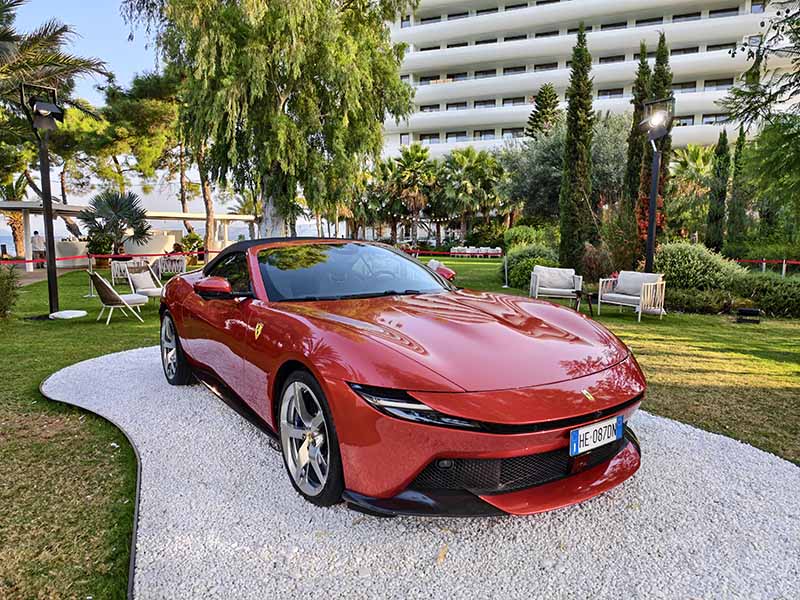
Photo © Katherine Goh
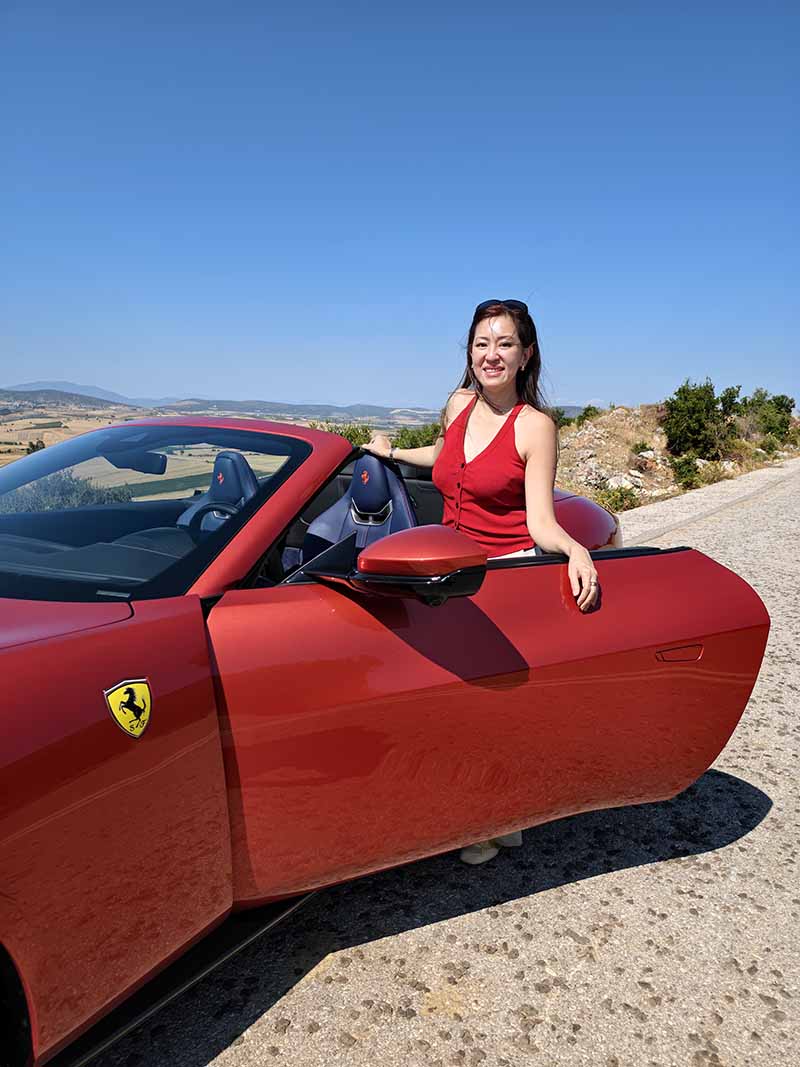
I used the X300 FE to capture shots of the Ferrari throughout the trip, from wider images showing the car within the Greek landscape to tighter photographs highlighting design details.
The 50MP main camera performed well here, producing detailed, attractive images that didn’t require me to spend a great deal of time editing before they were usable.
Being able to take out the X300 FE, frame the shot and get something usable quickly was exactly what I needed.
From the Road to the Seaside
My time in Greece wasn’t entirely spent behind the wheel.
I was also staying at a seaside hotel, which gave the X300 FE a completely different type of scenery to work with. Suddenly, instead of photographing automotive details, I was pointing the camera towards the sea, the hotel and the surrounding coastal landscape.
This is one of the reasons I like testing phones while travelling rather than setting aside a specific day for photography. Real travel constantly changes what you need from a camera.
One minute you’re photographing a Ferrari. The next, you’re looking out over the Mediterranean and trying to capture the scale and atmosphere of the coastline.
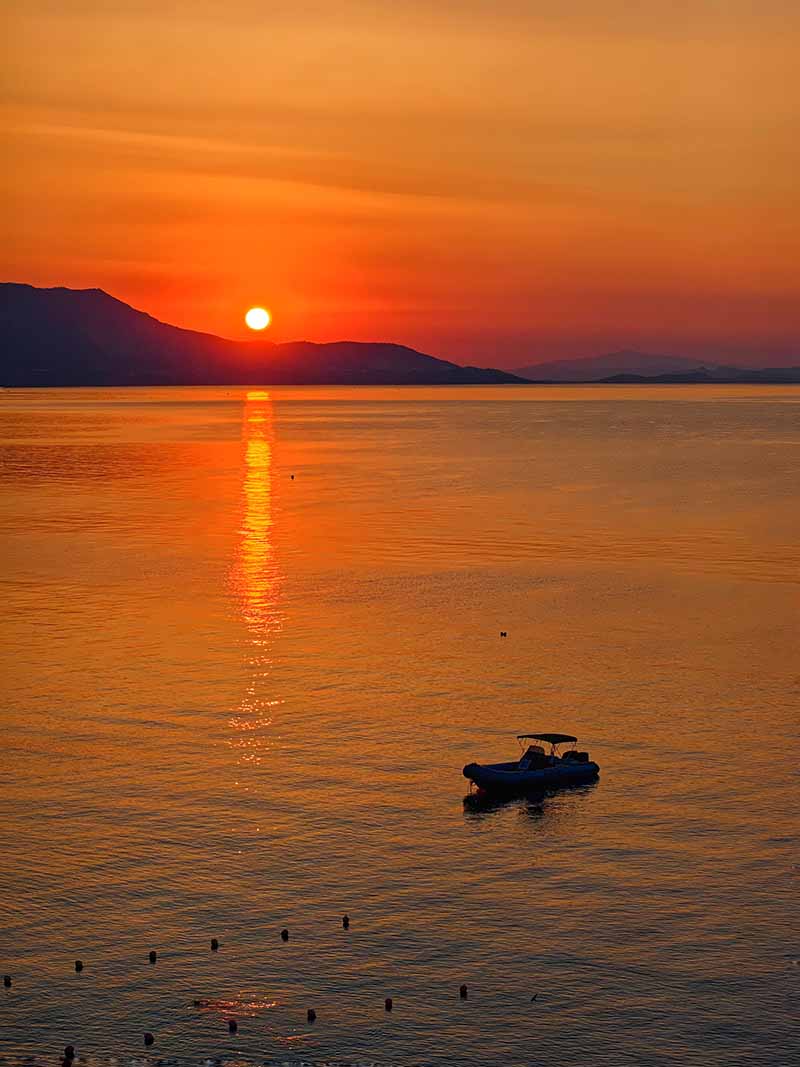
Photo © Katherine Goh

Photo © Katherine Goh
For everyday travel photography, I found the X300 FE very easy to live with. Images were detailed and immediately attractive without requiring much work before they were ready for social media.
As someone who creates content professionally, that matters.
When I travel for work, I am often producing content on the move. I don’t necessarily want to transfer every photograph into another application and spend 20 minutes adjusting it before it becomes usable.
Sometimes I simply want to shoot, select and post. The X300 FE makes that process easy.
Good Telephoto, But I Still Wanted More Reach
The X300 FE’s 50MP ZEISS Super Telephoto Camera is one of its headline features. Its periscope setup uses a 1/1.95-inch Sony IMX882 sensor and offers 3x optical zoom, while vivo also promotes shooting at 10x and 20x through its Stage Mode. Digital zoom can extend all the way to 100x.
For everyday use, 3x is useful. But as someone who frequently shoots travel content, events and people from a distance, I still found myself wanting more reach without having to venture too far into digital zoom.
This is where vivo’s optional ZEISS Telephoto Extender Gen 2 comes in.
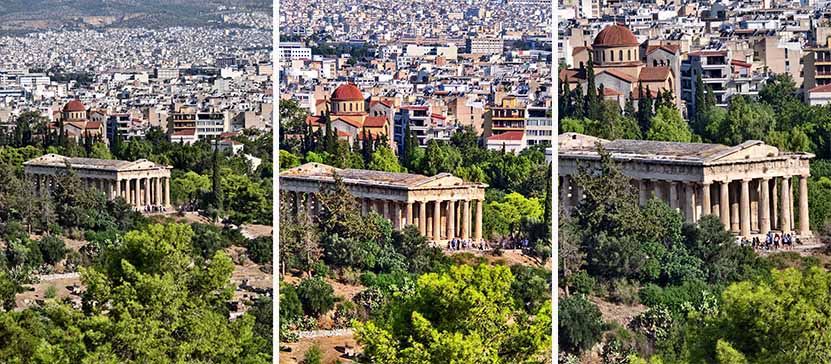
Shooting at different focal lengths using the telephoto lens. Photos © Katherine Goh
The extender provides a 200mm-equivalent reach and substantially changes what the phone can do with distant subjects. It is particularly interesting for concerts, performances, sporting events or situations where you physically cannot get closer to your subject.
There is just one problem. You have to carry it. The extender itself weighs 153g. That’s not enormous, but it is still another piece of equipment that has to go into my bag. And that changes the experience for me.
One of the main reasons I enjoy smartphone photography is precisely because I don’t want to carry a camera and lenses around. My phone is already with me. If I see something interesting, I can pull it out and shoot immediately.
Once I need to remember an additional lens, carry it with me and attach it whenever I want that extra reach, some of the spontaneity of smartphone photography disappears.
Initially, that made me question how often I would actually use it.
Bali: Putting the X300 FE to the Fireworks Test
Before Thailand, however, the X300 FE travelled with me from Athens to Bali for my niece’s wedding.
And this presented a completely different challenge.
When the fireworks started, I pulled out the X300 FE. Fireworks are deceptively difficult for a smartphone camera. You have a largely black frame suddenly interrupted by intensely bright explosions, rapid movement and constantly changing exposure.
A camera needs to capture the colour and shape of the fireworks without simply turning them into blown-out blobs of light.
More importantly, this wasn’t a staged camera test.
I was trying to capture a genuine family moment that wasn’t going to happen again. The X300 FE performed impressively. The 50MP main camera’s f/1.57 aperture helps in low-light situations, but what mattered more to me was how easy it was to simply pull out the phone and start filming. I didn’t want to spend my niece’s wedding standing around adjusting camera settings.
I wanted to capture the fireworks and then get back to enjoying them.
That, ultimately, is one of the biggest strengths of a good smartphone camera. Specifications matter, but so does immediacy.
Khao Lak: Where 0.6x Became My Biggest Frustration
My third destination with the X300 FE was Khao Lak in Thailand, where I stayed at a sprawling beach resort.
Resorts are actually excellent places to test smartphone cameras because they require almost every focal length. One moment I was photographing food. The next, I was shooting the swimming pool, my room, the beach or an expansive resort landscape.
The X300 FE generally performed very well here. Tropical colours, blue skies and greenery give any camera plenty to work with, and the phone produced the kind of vibrant travel images that work particularly well on social media.
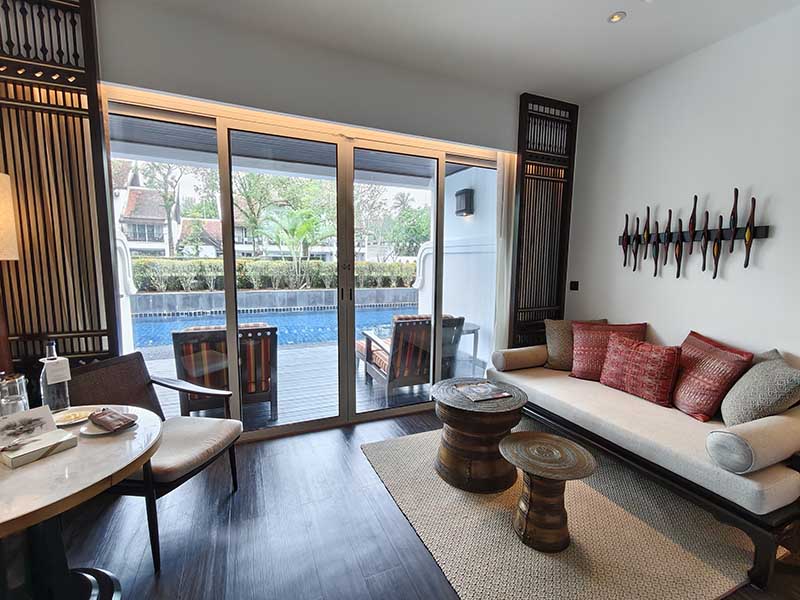
Unedited Photo of JW Mariott Khao Lak room – one major gripe with the x300 FE is that the camera is not wide enough to shoot interiors. Photo © Katherine Goh
But Khao Lak also exposed what is probably my biggest gripe with the X300 FE’s camera setup: the ultra-wide isn’t quite wide enough for me.
The 8MP ultra-wide offers a 110-degree field of view and, in use, the camera interface gives you a 0.6x perspective.
I am accustomed to phones offering 0.5x, and although the difference between 0.5x and 0.6x sounds insignificant, you notice it surprisingly quickly when photographing interiors.
Hotel rooms are the perfect example.
Sometimes your back is literally against the wall and you simply cannot move any further backwards. At that point, every extra bit of width matters.
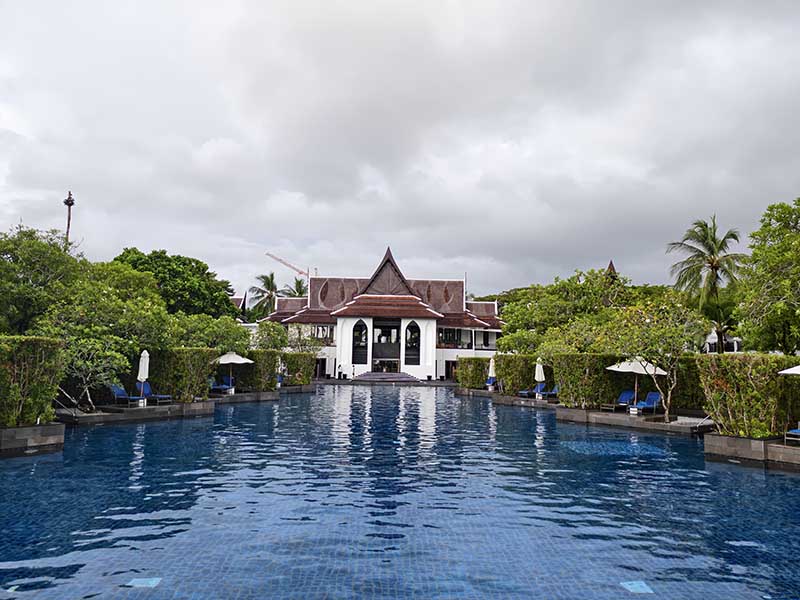
Unedited shot of JW Marriott Khao Lak. Photo © Katherine Goh
The same applies when trying to capture the scale of a swimming pool, a dramatic building or an expansive landscape.
Several times, I instinctively wanted to pull the view wider, only to realise that I was already at 0.6x.
For casual photography, this probably won’t bother everyone. As someone who frequently photographs hotels, restaurants and travel destinations for work, however, I missed 0.5x. And given that the ultra-wide is 8MP compared with the 50MP main and telephoto cameras, it is also clearly the least ambitious camera of the three.
Taking the X300 FE to the Streets
My experience changed considerably when I left the resort and took the X300 FE to an old town in Khao Lak for some street photography. Street photography is my favourite genre of photography, so this was probably the part of the test I was most interested in personally.
Unlike photographing a hotel room or a landscape, street photography is about moments. It could be someone going about their daily routine, an expression, an interaction between two people or simply the way a person fits into a particular environment. You don’t necessarily have much time to compose the photograph because the moment can disappear almost immediately.
This time, I brought the ZEISS Telephoto Extender Gen 2 with me.
And the results were better.
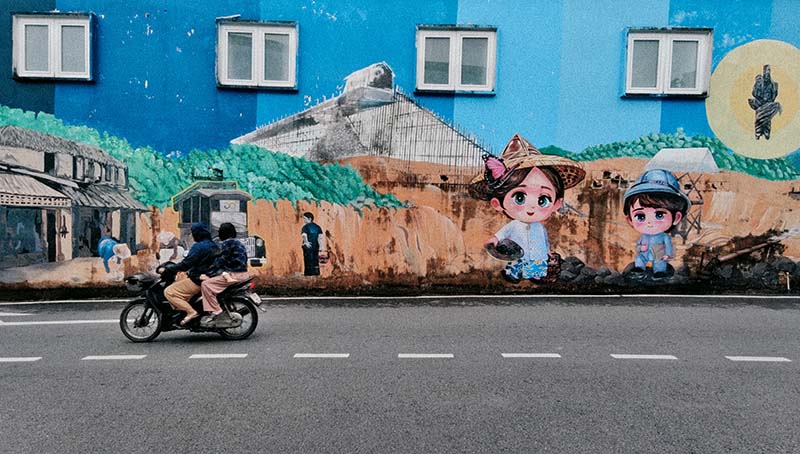
Photo © Katherine Goh
The additional reach allowed me to photograph people from much further away, which suited the way I like to shoot on the street. Instead of walking right up to someone and potentially changing the scene simply by being there, I could remain at a distance and observe. That makes a difference.
The moment someone becomes aware that you’re pointing a camera at them, their behaviour can change. An expression disappears. They look at the camera. The candid moment is gone. The longer focal length allowed me to stay further back and photograph people more naturally.
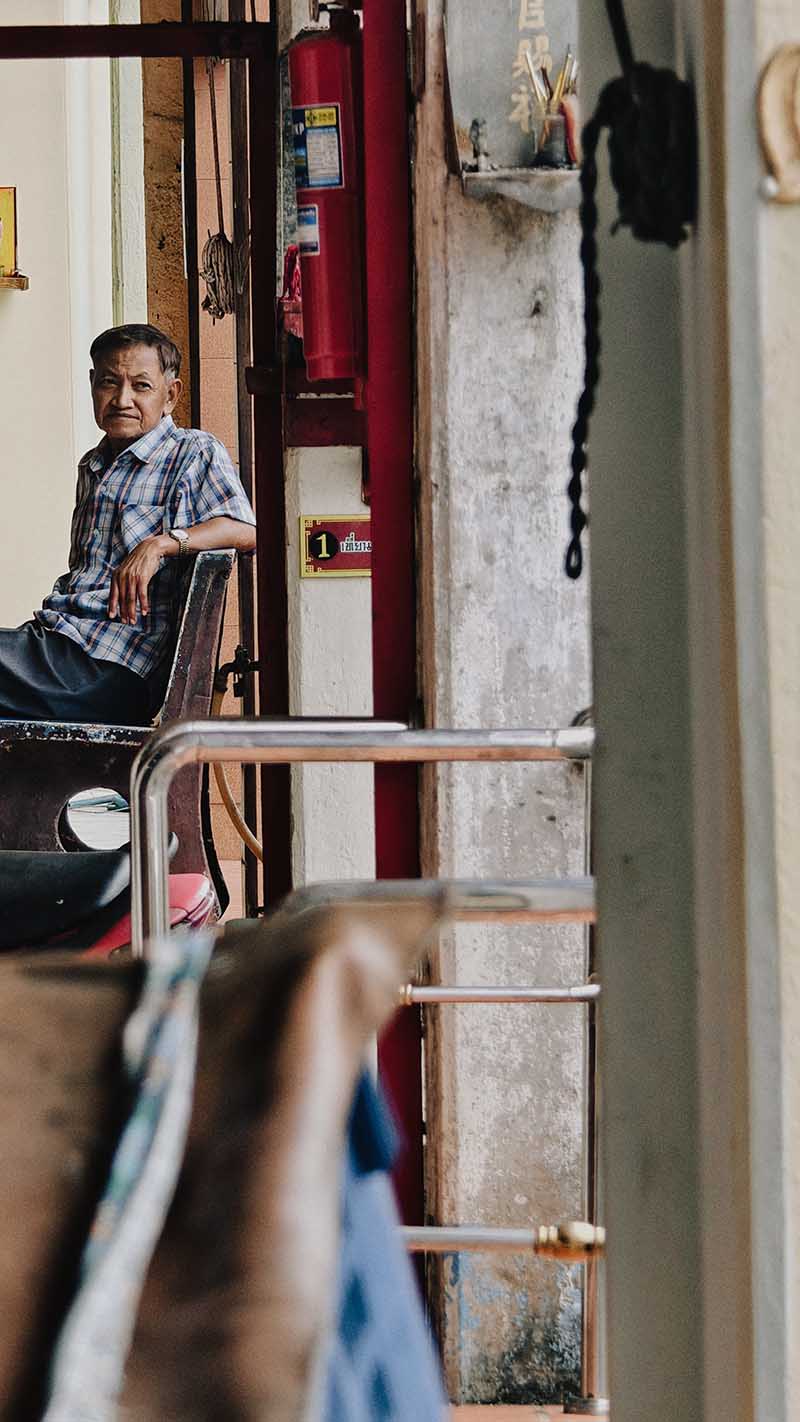
Photo © Katherine Goh
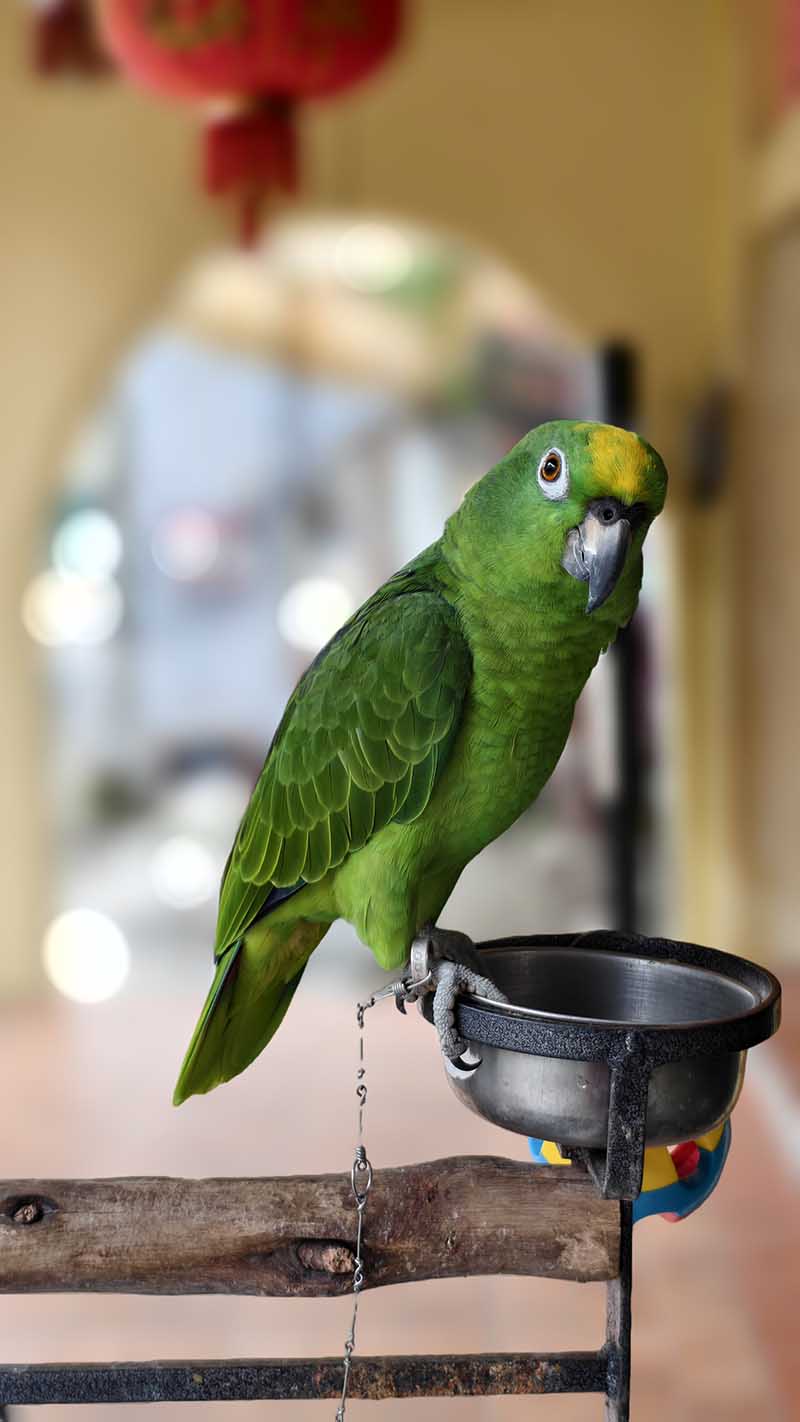
Photo © Katherine Goh
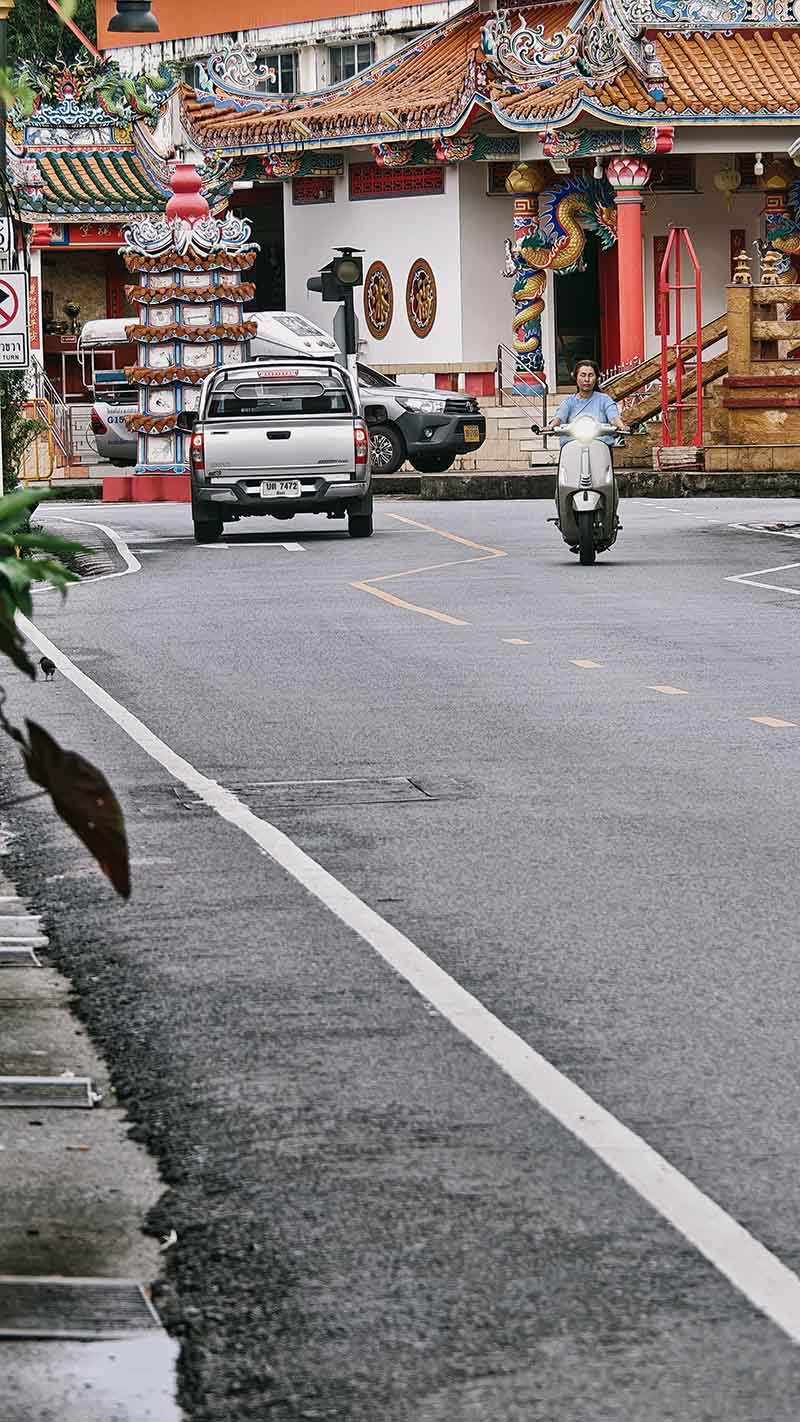
Photo © Katherine Goh
I also liked the visual effect of the longer lens. Rather than simply documenting an entire street scene, I could isolate individual people and details within it, giving the photographs a more deliberate quality.
Some of my favourite images from the X300 FE came from this outing. And ironically, it was also the experience that made me appreciate the very accessory I had complained about having to carry.
More Than Just a Camera
While photography was my main focus during these trips, the X300 FE has plenty going on underneath the camera module.
It is powered by Qualcomm’s Snapdragon 8 Gen 5 Mobile Platform, built on a 3nm process, with LPDDR5X Ultra RAM and UFS 4.1 storage. In everyday use, I found the phone fast and fluid, whether I was shooting content, jumping between apps, editing or uploading photographs and videos while travelling.
The 6.31-inch AMOLED display has a 2640 x 1216 resolution, an adaptive 1-120Hz refresh rate and local peak brightness of up to 5,000 nits. That brightness is particularly useful when travelling somewhere sunny. There is little point taking beautiful photographs if you can barely see the screen while standing outdoors.
Battery life is another major consideration when your phone is also your camera, navigation device and mobile office.
The X300 FE packs a sizeable 6,500mAh BlueVolt battery despite its compact dimensions, along with 90W wired FlashCharge and 40W wireless FlashCharge.
When travelling, I am particularly demanding on a phone. Google Maps is running. I am taking photographs and videos throughout the day. There is social media, messaging, browsing, editing and uploading, often while roaming. Having that much battery capacity in a relatively compact device therefore makes a great deal of sense.
It also comes with IP68 and IP69 dust and water resistance, which offers some reassurance when you’re travelling and inevitably exposing your phone to pools, beaches, rain and everything else along the way.
Three Countries Later
Perhaps the most useful thing about taking the vivo X300 FE across three countries was that each destination revealed something different about it.
Athens showed me how it performed as an everyday travel and content creation camera, particularly for architecture, street scenes and details.
Bali tested it under much more challenging conditions when I filmed the fireworks at my niece’s wedding.
Khao Lak was perhaps the most revealing of all.
At the resort, I discovered the limitations of the 0.6x ultra-wide when shooting rooms, pools and expansive spaces. But once I took the X300 FE into the old town for street photography, I discovered a side of the camera system I enjoyed considerably more.
In particular, the Telephoto Extender proved its worth when photographing people from a distance.
Those experiences told me far more about the phone than photographing test charts ever could.
I generally enjoyed using the X300 FE. The 50MP main camera is dependable, the 50MP periscope telephoto gives the phone useful versatility, and I particularly appreciate that vivo has managed to fit a 6,500mAh battery into a phone that remains relatively compact.
But travelling with it also highlighted some compromises.
I still wish the phone offered more native telephoto reach before I had to rely heavily on digital zoom or attach the optional Telephoto Extender. And I genuinely wish the ultra-wide went to 0.5x rather than 0.6x.
It sounds like a tiny complaint until you’re standing with your back against a hotel room wall trying to squeeze everything into the frame.
At the same time, my afternoon shooting in Khao Lak made me appreciate the extender more than I initially expected.
It is cumbersome if you’re thinking of it as something you need to carry everywhere. Treat it more like a lens that you bring when you know you’re going out specifically to shoot, however, and it starts to make considerably more sense.
After Athens, Bali and Khao Lak, I came away genuinely liking the vivo X300 FE. It packs an impressive amount of camera and battery hardware into a compact body, and for most of the photographs and videos I take while travelling, I wouldn’t feel the need to bring a separate camera.
Would I take the X300 FE on another trip? Absolutely.
Would I bring the Telephoto Extender everywhere? Probably not.
Would I bring it for another afternoon of street photography? Definitely.
Because ultimately, the best travel camera isn’t necessarily the one with the biggest lens.
It’s the one you have with you when the right moment appears.