
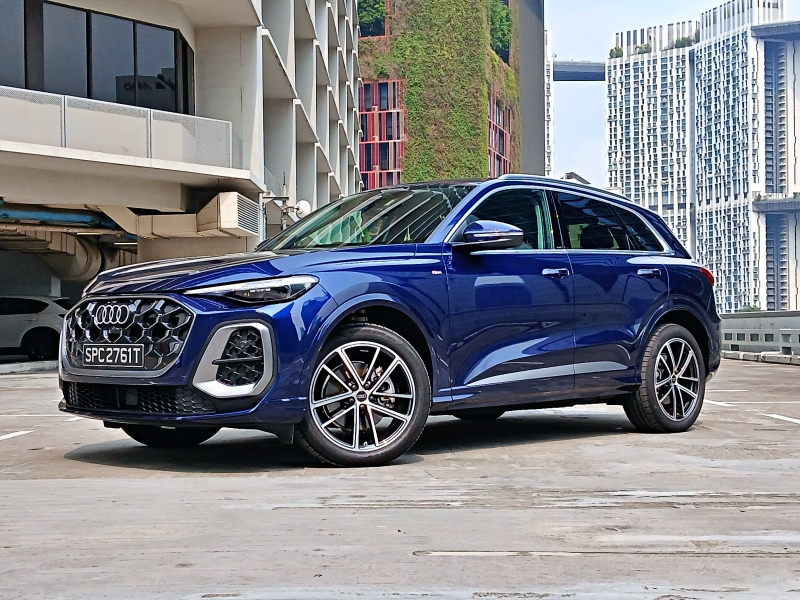
There are some cars that you struggle to write anything meaningful about. Not because they are terrible, but quite the opposite in fact. These cars are so well-rounded and relatively flawless that there’s probably not many things that you could really pinpoint out for criticism.
The latest Audi Q5 feels like one of those cars. Audi’s best-selling model is now into its third-generation, and the brand has seemingly decided not to rock the boat by coming up with something too revolutionary.
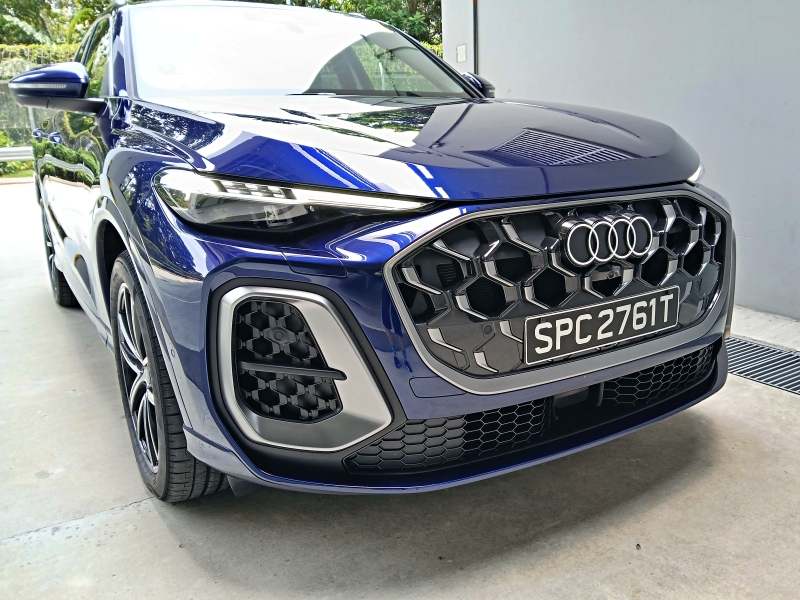
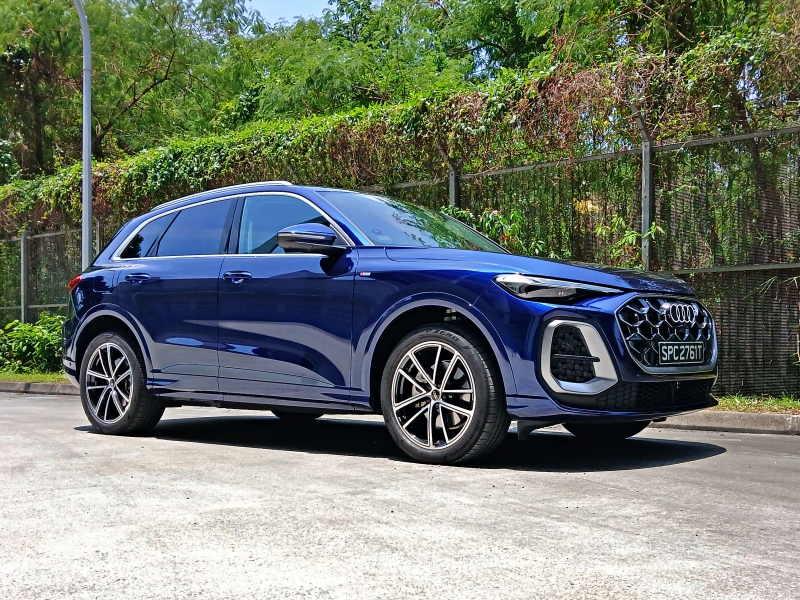
The design, for one, is instantly familiar. Certainly, the large gaping grille does stand out, as do the slim LED headlights, while the rear taillight treatment gives it a neatly handsome look. On the whole though, it looks like how you’d expect, and it is clearly recognisable as a Q5.
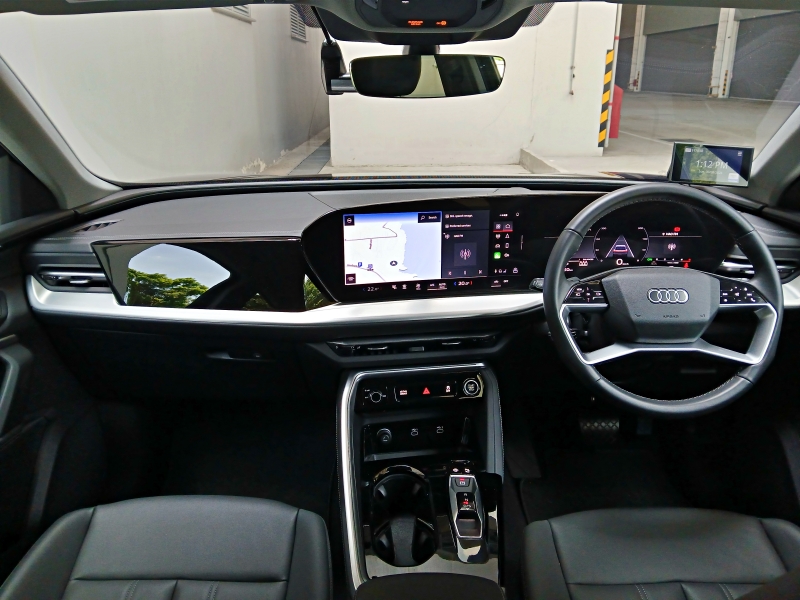
It’s the same story for the interior too. If you’ve sat in any of the newer generation Audis of late, the layout will not feel alien to you. I say this having test driven five different Audis over the course of a month, so the continuity does help, with little adaption needed as I jumped from car to car.
In case you need a refresher, there’s that large curved display that stretches across the dashboard, consisting of the 14.5-inch MMI infotainment touchscreen and the 11.9-inch virtual cockpit driver instrument display, and Audi calls the whole thing the ‘Digital Stage’.
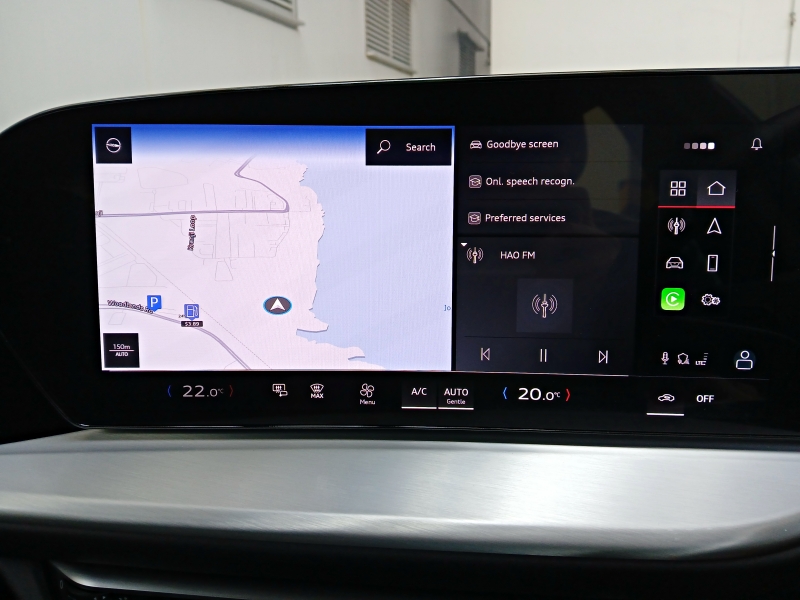
It looks interesting, but it’s nothing really groundbreaking, and the interface can feel a bit finicky to use. There are a couple of annoying bits however. The system is ever too eager to shut down the moment you step out of the car with the key, which is something that a number of EVs do, but not something I’d expect from an internal combustion engine (ICE) car like the Q5.
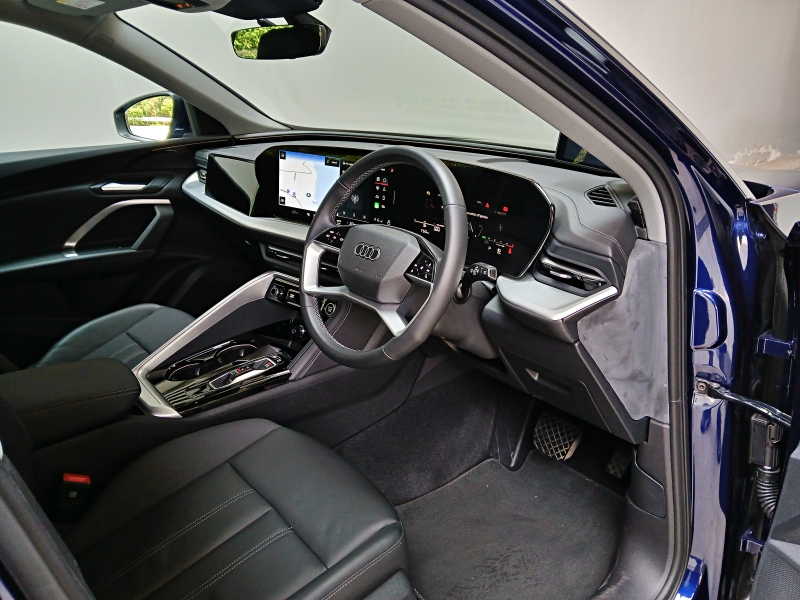
The other thing is that, if you don’t have a user account linked to the system (as does happen with media test drive cars), all your settings get reset every time you start the car. This includes your previously set radio/media selection, and things like your driver assistance features preferences. Of course, this won’t matter if you actually own the car and have an account paired up, but it is still mildly irritating to say the least.
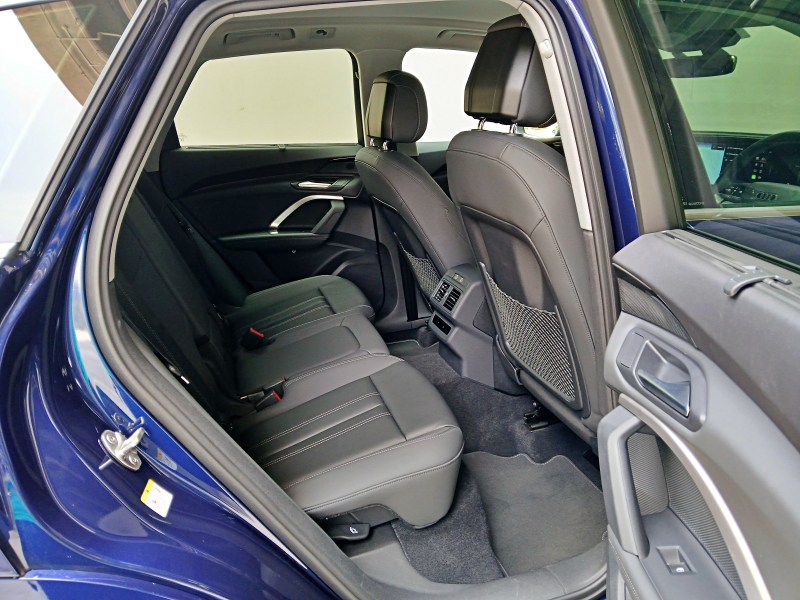
It fares well on the practicality front however. There’s a decent amount of space for rear passengers, although the transmission tunnel does impinge on legroom for whoever’s sitting in the middle seat. The rear window sunshades are a nice touch, and add a touch of luxury and thoughtfulness into a car that’s likely to be used mainly for family duties.
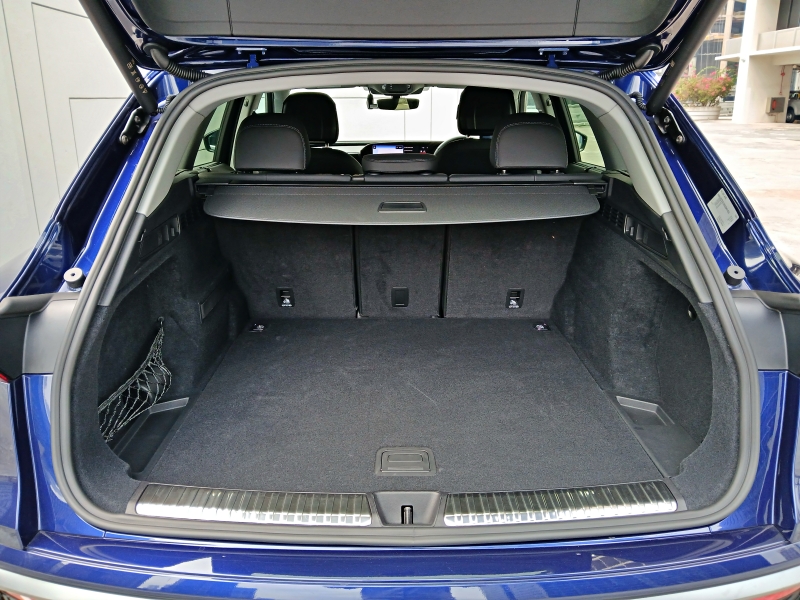
There’s plenty of room for items too, with a boot capacity of 520 litres making it capable of accommodating the weekly shopping with minimal fuss. It’s still a bit less than some of its key rivals like the Mercedes-Benz GLC and BMW X3, but it’s still good enough for this segment. Neat bits like the side netting compartment and small hooks further add to the usefulness of the cargo area.
On the go, the Q5’s driving manners can best be described as refined and competent. The car is powered by a 2.0-litre turbocharged four-cylinder unit with 201bhp and 340Nm of torque, which is essentially the same unit as the A6 Sedan. It doesn’t seem like a lot, but it is adequate for Singapore’s urban environment really.
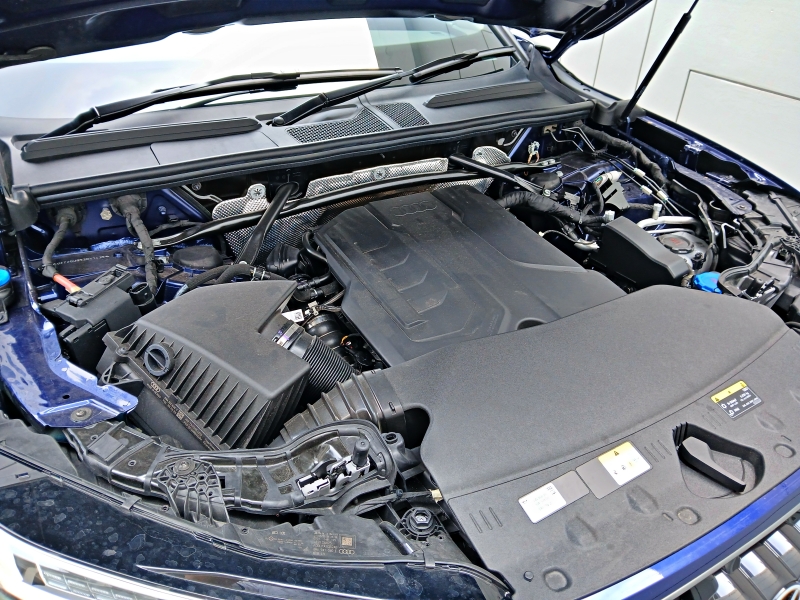
It’s clearly not meant to win any races, and the engine does sound strained when pushed hard. But if you’re just ambling along on a daily basis, the Q5 is otherwise pretty refined, although the start-stop operation of the mild hybrid system could be smoother to be honest.
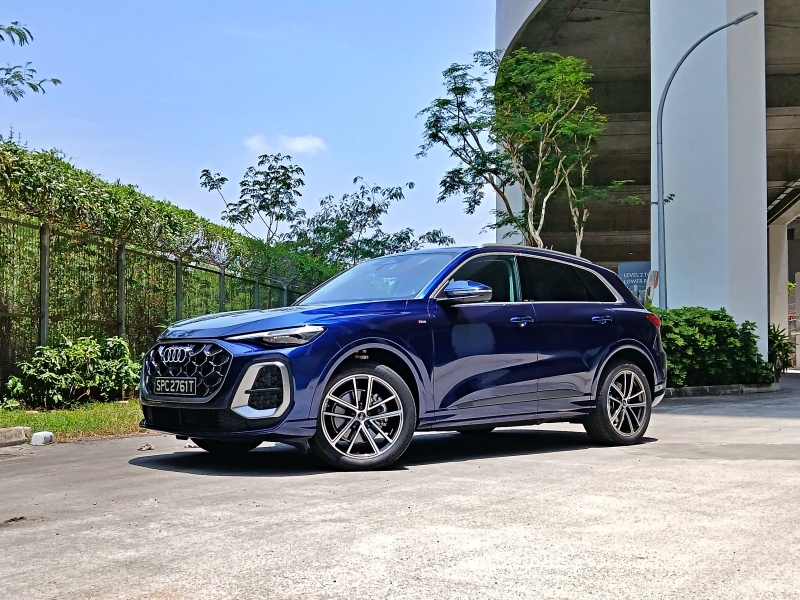
The standout trait of the Q5 is really stability. The car holds its own under cornering, and it feels fairly composed and planted with a nice amount of body control, although it doesn’t exactly sparkle or excite. That’s not its remit anyway, and on the whole the Q5 can best be described as competent rather than fun.
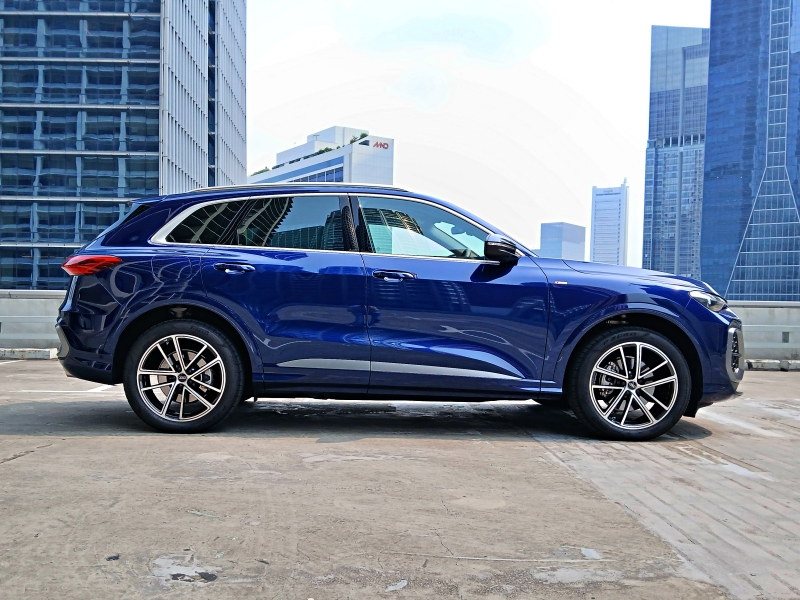
Instead, Audi has poured its efforts towards making the Q5 a remarkable cruiser, and as such, the car is superbly comfortable on the highway. The ride quality is excellent, striking a nice balance between firm and soft, and the overall experience is rather pleasant, especially on long journeys.
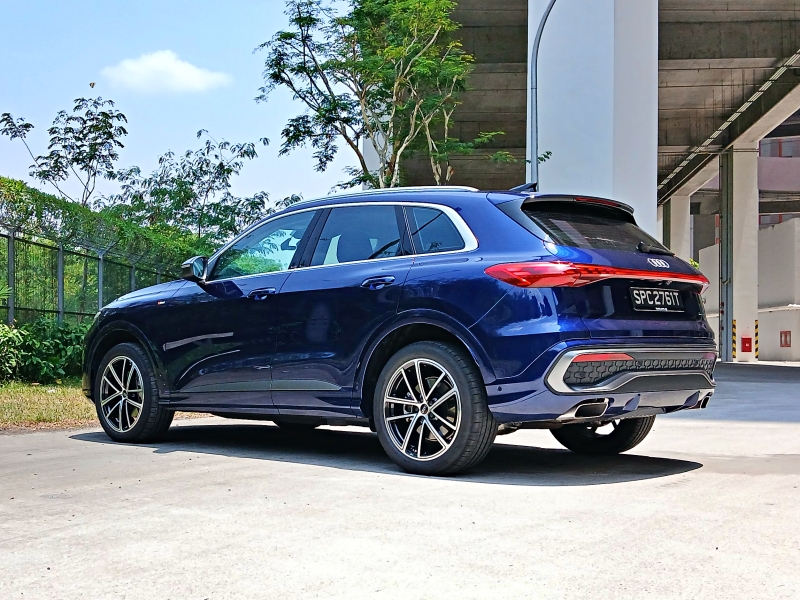
For all of its strengths though, the Q5’s biggest failing is unfortunately its price. At over 400 grand with COE (at time of writing), it can feel a bit hard to justify for a car that, while quite a good all-rounder, doesn’t feel like it particularly excels in any area.
Of course, the price tag is not totally Audi’s fault, and some blame has to be put upon Singapore’s restrictive tax regime. But still, given the myriad of choices in the market now that’s available for much less, the Q5 does have its work cut out if it intends to continue its success as Audi’s best-seller.