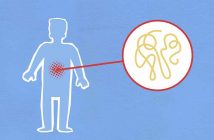

Starting metabolic medication for weight management feels a lot like migrating to a powerful new database engine. You expect performance gains, but if your system cannot handle the throughput, unexpected friction and digestive stalls grind your daily routine to a halt.
Achieving sustainable weight loss requires learning how dual-receptor peptides alter gastric motility and appetite signalling before escalating doses. If you are researching clinical strategies to manage tirzepatide side effects under medical supervision, evaluating how gradual titration schedules and hydration adjustments ease gastrointestinal adaptation gives you an objective baseline for your journey. Establishing a patient management plan early protects your lean muscle mass while keeping nausea and fatigue manageable.
The Biology of Dual Incretin Action
Modern weight management peptides do not simply suppress appetite through nervous stimulation; they act on natural gut hormone receptors. The molecule targets both glucose-dependent insulinotropic polypeptide (GIP) and glucagon-like peptide-one (GLP-1).
This dual action creates a powerful metabolic synergy. GLP-1 receptor activation slows gastric emptying, meaning food leaves your stomach far more slowly and keeps you feeling satisfied for hours after smaller portions. At the same time, GIP receptor engagement works directly on central brain pathways to quiet persistent food noise and enhance fat cell insulin sensitivity. Because your digestive mechanics slow down significantly, overeating or consuming high-fat meals quickly triggers feelings of intense fullness, acid reflux, or mild nausea.
Maximum Dose versus Minimal Effective Titration
Standard online forums often urge patients to move up the dosage ladder every four weeks to maximise weekly fat loss numbers on the scale. The non-obvious trade-off is that aggressive dose escalation dramatically increases gastrointestinal distress while offering diminishing returns on fat loss.
Choosing a minimal effective dose trades rapid scale drops for biological sustainability. Staying at a lower therapeutic dose like five milligrams as long as you lose half a kilogram weekly keeps digestion comfortable and preserves daily productivity. Rushing to ten or fifteen milligrams merely overwhelms gastric emptying, turning mild indigestion into severe nausea that halts your protocol.
The Underfueling and Muscle Loss Mistake
The most common and expensive mistake patients make is celebrating complete appetite suppression and eating under eight hundred calories a day. People fall into this trap because seeing the scale drop three kilograms in a single week feels rewarding.
In reality, starving your body causes severe catabolism, where up to forty per cent of lost weight comes directly from skeletal muscle rather than fat. Losing metabolically active muscle tanks your resting metabolic rate and causes exhaustion. When you reduce your medication dose later, that lowered metabolic baseline causes rapid fat regain, worsening your body composition.
Calculating Real Six Month Protocol Economics
Let us examine a concrete worked example comparing rapid unguided escalation against a structured, physician-led titration protocol over six months. Consider an individual who rapidly escalates dosages every month without dietary support, buying expensive meal replacement shakes and antacids.
By month four, severe delayed gastric emptying triggers dehydration and vomiting, leading to an emergency clinic visit costing 1,800 dollars, followed by lost work productivity worth 1,400 dollars, totalling 3,200 dollars in avoidable costs. In contrast, staying on a steady low-dose protocol with clinical dietitian check-ins costs 300 dollars for electrolyte support and high-protein foods. Sourcing a steady titration pathway saves 2,900 dollars while maintaining consistent fat loss.
Core Operational Habits for Digestive Comfort
Managing digestive speed and keeping physical energy high during peptide therapy requires establishing simple, repeatable operational habits at home. Treating your daily nutrition like a disciplined fueling schedule prevents stomach upset before it starts.
Keep these practical operational habits in mind:
- Prioritise ninety grams of daily protein: Eat lean poultry, tofu, Greek yoghurt, or white fish first at every meal to protect your skeletal muscle mass.
- Stop eating at the first fullness signal: Put your fork down the moment you feel mildly satisfied, as delayed gastric emptying means fullness signals arrive late.
- Separate fluids from solid meals: Drink water thirty minutes before or after meals rather than during eating to avoid over-distending your slowed stomach.
A Clear Rule for Dose Escalation
You do not need an endocrinology degree to know whether your body is ready for a dosage increase. You can apply a straightforward decision rule called the four-week stall check before discussing dose changes with your doctor.
Review your progress over the past four consecutive weeks on your current dose. If you are still losing an average of zero point five to one kilogram weekly and feeling energetic, do not increase your dose. Only request an escalation if your weight has stalled completely for four straight weeks AND you have experienced zero gastrointestinal side effects for at least fourteen consecutive days.
Navigating modern metabolic therapy is ultimately about building a patient system that works in harmony with your digestive biology. By avoiding the rush toward maximum doses, defending skeletal muscle with adequate protein, and following clear escalation rules, you protect both your metabolic health and your productivity. Approach your medical journey with calm discipline, rely on verified facts, and move forward with quiet confidence in your health plan.