

Picture the moment. You bite into an apple, feel a brief twinge, and it is gone before you can even frown. Most people forget it by the time they have swallowed. The mouth is patient that way. It rarely shouts. Small decay can sit quietly inside a tooth for months, doing its work in the dark, long before any nerve is touched enough to complain.
That silence is the real story here, not the toothache everyone remembers afterwards. The people who avoid real trouble are usually the ones who treat a dental visit as routine maintenance rather than an emergency response, and that habit starts with finding a dental clinic in Singapore like Garden Dental that families can return to twice a year without dread. Get that relationship right, and the twinges tend to stay small, or never arrive at all.
Why Small Cavities Don’t Hurt
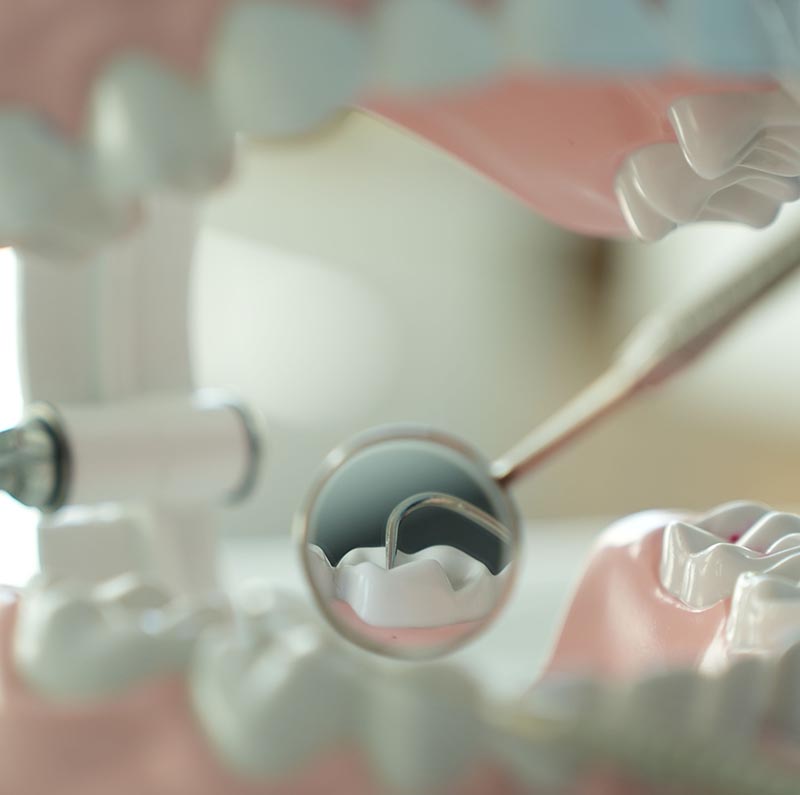
Photo © Busenur Demirkan | Pexels
Enamel has no nerve endings, so the earliest stage of decay is almost always painless. By the time you feel something, the problem has often reached the dentin underneath, a softer layer that is far more sensitive to heat, cold, and pressure. Waiting for pain treats the mouth like a smoke alarm, when the truer signal is closer to a slow leak behind the wall, invisible until the damage has already spread.
This is exactly why regular checkups exist. A dentist can spot early decay on an X-ray months, sometimes years, before you would ever notice it yourself, at the point when treatment is smallest and simplest.
The Cost Of Waiting Too Long
A small cavity caught early usually means one appointment and a straightforward filling. Left alone, that same spot can work its way toward the nerve, and the options narrow as it goes. What might have been a simple fix turns into a longer, more involved procedure, purely because of the extra months it sat untreated.
None of this is scare talk. It is closer to arithmetic. Early treatment is almost always less invasive than late treatment, because the tooth has had less time to break down and the nerve has had less time to become involved.
What A Good Clinic Looks Like
Not every clinic earns a second visit, and it is worth knowing why before you pick one. The clinics people stay loyal to for years tend to share a few habits: they explain what they see before recommending anything, they show you the X-ray rather than just describing it, and they treat a checkup as a chance to catch small things early, not as a lead-in to a bigger sales pitch.
- Explains findings in plain language before suggesting any treatment
- Shows you the X-ray or photo, not just a verbal description
- Recommends the simplest effective option first
- Makes it easy to book the next routine visit before you leave
If a clinic cannot manage those basics, it is worth looking elsewhere before the small stuff becomes the big stuff.
Building The Habit Early
Families who avoid emergency dental visits tend to treat the twice-yearly checkup the way they treat a car service: something scheduled in advance, not triggered by a warning light. Children who grow up with that rhythm usually carry it into adulthood, along with fewer surprises in the dentist’s chair.
It also removes the guesswork. A dentist who has watched your mouth for years notices change faster than one meeting you for the first time in the middle of a crisis.
When To Stop Waiting
If it has been longer than a year since your last checkup, that gap is the real risk, not whatever small twinge prompted you to read this far. Book the appointment before there is a reason to, not after one turns up.
The tooth that never hurts is usually the one that got looked at early, quietly, before it had anything to say.
The quiet decay does not send a warning you can trust, which is exactly why the appointment matters more than the ache ever will. Treat the checkup as ordinary, keep it on the calendar rather than the to-do list, and your teeth will mostly stay boring. In this one part of life, boring is exactly the goal.